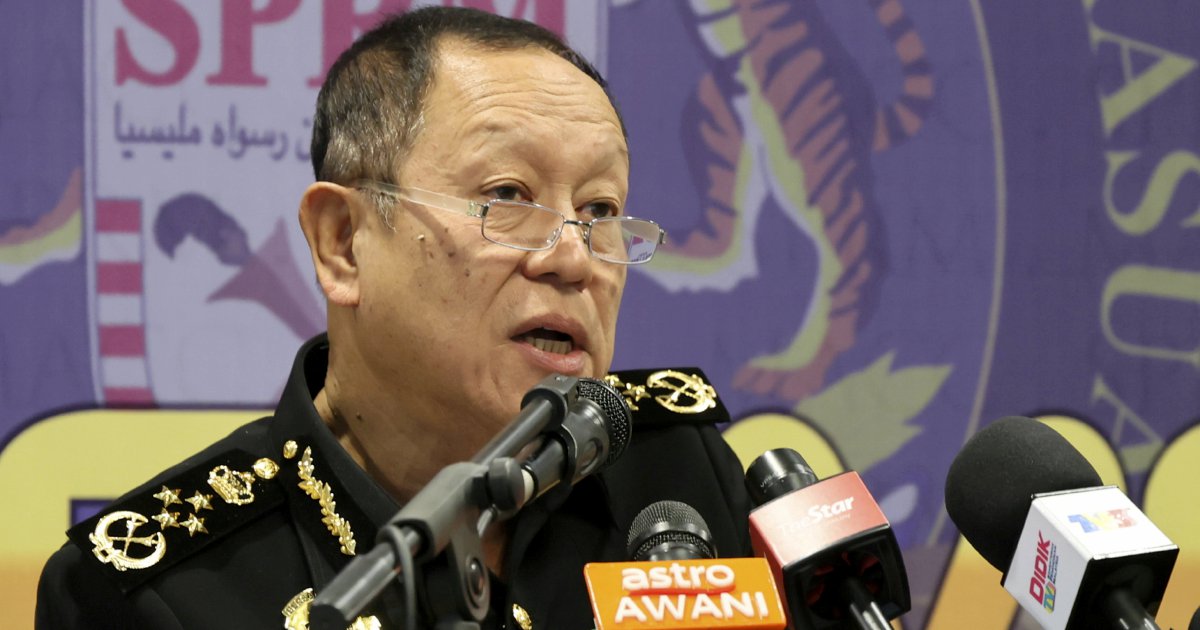
The Malaysian Anti-Corruption Commission has formally launched an investigation into Tabung Haji following the Royal Commission of Inquiry's detailed examination of the Islamic pilgrimage fund, marking a critical juncture in scrutinising the institution that manages savings for hundreds of thousands of Malaysian Muslims preparing for the Hajj. MACC enforcement teams have already arrived at Tabung Haji's headquarters to begin gathering evidence and conducting preliminary interviews as part of the expanded inquiry.
This development represents the next phase in a widening examination of Tabung Haji's operations and governance structures. The RCI, which conducted an extensive review of the fund's affairs, identified concerns that have prompted the anti-corruption body to intervene and pursue detailed investigative work. The commission's decision to mobilise enforcement personnel underscores the seriousness with which authorities are treating the findings, suggesting potential irregularities or breaches that warrant formal prosecution-level inquiry.
Tabung Haji holds immense significance within Malaysia's financial and religious landscape. With over 1.5 million members contributing regularly to the fund, any governance failures or mismanagement carries profound consequences for ordinary Malaysians who depend on these savings to fulfil their religious obligations. The fund operates across a complex intersection of religious duty, financial services regulation, and public administration, making its oversight particularly sensitive and important.
The RCI process itself undertaken considerable work to understand how Tabung Haji discharged its responsibilities to members. Its comprehensive report, once made public, would have detailed specific instances or patterns of concern that triggered recommendations for criminal investigation. MACC's acceptance of these findings and swift movement to investigative stage suggests the commission identified evidence-based grounds warranting formal probing rather than merely administrative review or regulatory sanctions.
For Malaysian Muslims saving with Tabung Haji, this investigation may raise questions about the safety and security of accumulated funds. Members have entrusted the institution with substantial sums over many years, expecting diligent stewardship and transparent management. An investigation at this level inevitably creates uncertainty, though MACC's intervention also signals that regulatory mechanisms exist to protect public interests and hold responsible parties accountable should wrongdoing be established.
The broader context involves longstanding questions about governance standards across Malaysia's public institutions and linked entities. Tabung Haji, though operating as a statutory body with distinct commercial objectives, remains closely connected to government structures and religious administration. This investigation contributes to wider efforts to strengthen institutional accountability and restore public confidence in bodies entrusted with significant financial resources and public responsibilities.
MACC's investigative mandate encompasses potential corruption, abuse of authority, and misconduct by public officials. The commission's decision to probe Tabung Haji suggests the RCI report contained findings consistent with these categories—such as questionable decision-making by senior management, preferential treatment in business dealings, inadequate financial controls, or misappropriation of resources. The specifics will emerge as the investigation progresses and appropriate authorities are notified of potential breaches.
The investigation carries implications for corporate governance standards within Malaysia's Islamic financial sector and statutory bodies generally. If irregularities are substantiated, recommendations may follow regarding enhanced oversight, management restructuring, or regulatory reforms. This could influence how other similar institutions—particularly those managing public or religious funds—are monitored and governed going forward.
Stakeholder confidence becomes critical during such inquiries. Tabung Haji's management faces pressure to demonstrate cooperation with MACC while maintaining operational continuity and reassuring members that their interests remain protected. The institution's leadership will need to navigate the investigation carefully, balancing transparency with institutional stability and member communication needs.
For Southeast Asian observers, Malaysia's willingness to investigate major statutory institutions reflects evolving regional standards regarding institutional accountability and anti-corruption enforcement. The region has witnessed increased scrutiny of public fund management across various countries, establishing expectations that governments and oversight bodies will respond decisively to credible allegations of governance failures.
The investigation timeline remains unclear, though such inquiries typically span several months depending on complexity, cooperation levels, and evidence availability. MACC may request document production, conduct interviews with current and former officials, and engage forensic financial analysis. The commission will determine whether evidence supports formal charges or other regulatory actions.
This probe represents accountability in action—the moment when institutional review findings translate into formal criminal investigation mechanisms. As the MACC investigation proceeds, it will test both the adequacy of Tabung Haji's governance frameworks and the effectiveness of Malaysia's anti-corruption enforcement machinery in protecting public institutional assets and stakeholder interests.

