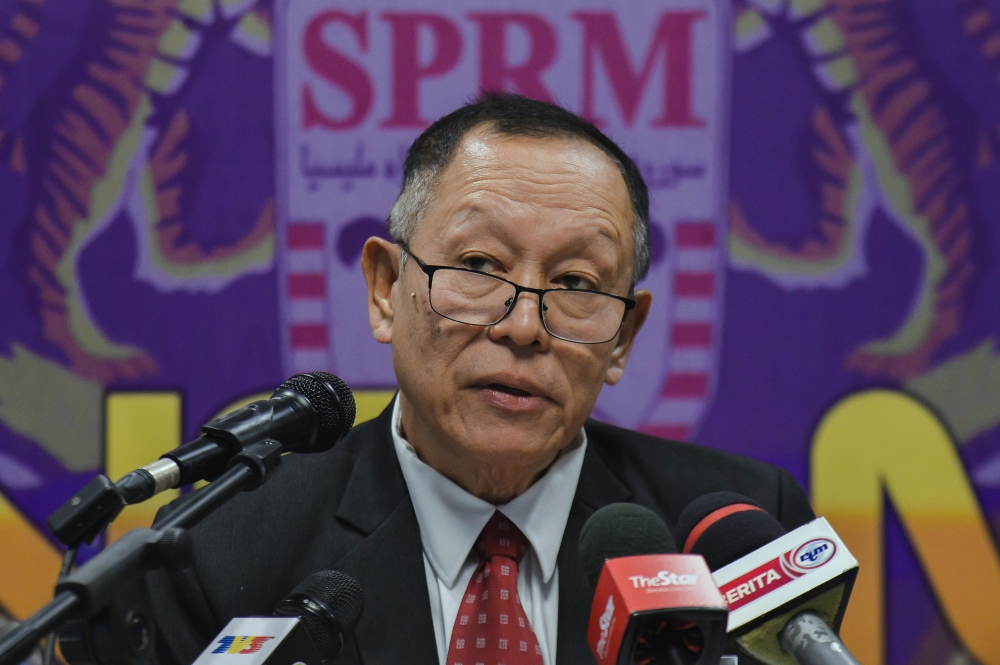
The Malaysian Anti-Corruption Commission has formally commenced its investigation into Tabung Haji, assigning a dedicated team of eight officers to undertake a comprehensive review of documents as the anti-corruption body moves to address findings from the Royal Commission of Inquiry into the pilgrimage fund's management and governance.
This development marks a critical phase in the accountability process surrounding Tabung Haji, which serves as a national savings scheme for Malaysian Muslims preparing for the hajj pilgrimage. The assignment of a specialised investigation unit underscores the seriousness with which authorities are treating the inquiry, signalling that the Royal Commission's recommendations have triggered substantive investigative action rather than mere procedural acknowledgement.
Tabung Haji has faced mounting scrutiny over its financial management and investment decisions in recent years, with particular concern centred on how the fund deployed contributions from millions of Malaysian pilgrims. The Royal Commission's inquiry examined governance structures, investment strategies, and the decision-making processes that influenced the fund's performance and financial health. These investigations gain significance given that Tabung Haji manages contributions from ordinary Malaysians across all income levels, making institutional integrity a matter of public trust.
The MACC's eight-officer team will focus on document examination as their initial investigative priority. This methodical approach allows investigators to establish a factual foundation regarding transactions, approvals, and communication trails related to the matters flagged by the Royal Commission. Document analysis typically forms the backbone of anti-corruption investigations, enabling authorities to trace decision pathways and identify potential irregularities or contraventions of regulations governing fund management.
For Malaysian citizens, particularly those with savings in Tabung Haji, this investigation represents an important safeguard mechanism. The fund's prominence in the financial lives of millions of Muslim Malaysians means that governance failures carry direct personal consequences. A comprehensive anti-corruption inquiry can help restore confidence in an institution that many Malaysians rely upon for managing their hajj aspirations alongside household savings.
The timing and scope of the investigation also carry broader implications for Malaysia's governance landscape. The MACC's willingness to commit investigative resources to large institutional entities sends a message about accountability expectations across major financial organisations. Tabung Haji's status as a government-linked institution managing public savings makes its governance a litmus test for institutional integrity across the Malaysian public sector.
Investigations of this nature typically proceed through several phases. Initial document review establishes the evidentiary landscape and identifies specific areas requiring deeper investigation. Subsequent phases may involve witness interviews, expert analysis of financial transactions, and assessment of compliance with relevant regulations and guidelines. The eight-officer allocation suggests the MACC views this as a substantial inquiry warranting meaningful resource deployment rather than a symbolic gesture.
The Royal Commission's recommendations likely identified specific governance gaps or questionable decisions warranting investigation. These may encompass investment allocation decisions, procurement processes, remuneration structures, or oversight mechanisms. The MACC's task involves determining whether any such matters constitute criminal violations or breaches warranting enforcement action rather than purely administrative correction.
For Malaysia's standing in international governance rankings, such investigations demonstrate institutional commitment to accountability. International observers assess anti-corruption performance partly through evidence of investigations into prominent institutions. The MACC's formal action on Tabung Haji contributes to demonstrating that Malaysia's anti-corruption apparatus functions substantively, not merely ceremonially.
The investigation also reflects evolving expectations regarding institutional governance across Southeast Asia. As regional economies mature and citizens become more vocal about accountability, anti-corruption agencies face increasing pressure to investigate significant cases thoroughly. Malaysia's experience with Tabung Haji mirrors similar governance scrutiny facing major institutions across other Southeast Asian nations.
Stakeholders including current Tabung Haji contributors, potential pilgrims awaiting future hajj schedules, and institutional employees will likely monitor the investigation's progression. Transparency regarding investigation timelines and eventual findings becomes important for maintaining public confidence during this period of scrutiny.
The investigation's ultimate findings may trigger administrative reforms, governance restructuring, or legal enforcement depending on what evidence the eight-officer team uncovers during their document review. Regardless of specific outcomes, the initiation of formal MACC investigation indicates that governance concerns surrounding Tabung Haji have escalated beyond preliminary inquiry stages into substantive enforcement consideration.

