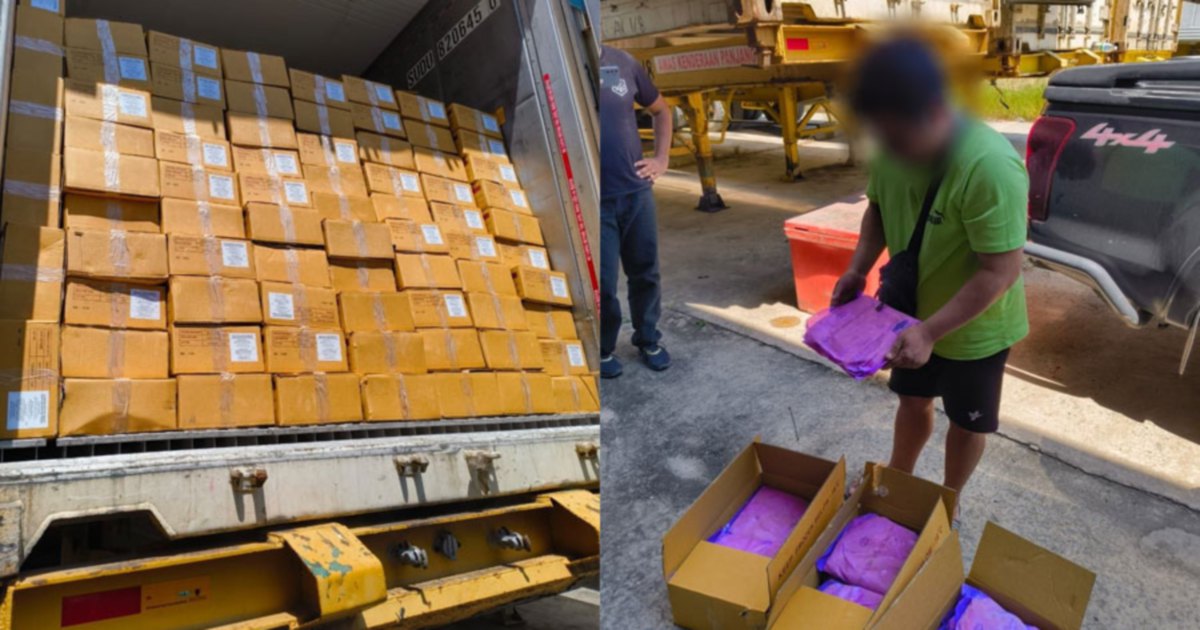
The Malaysian Anti-Corruption Commission has signalled a significant expansion of Operation Chick, the investigation into an alleged unauthorised frozen chicken import network, with enforcement officers now seeking to identify additional individuals connected to the suspected scheme and examining whether other criminal conduct occurred alongside the core allegations.
Authorities in Kuching have indicated that the initial phase of the operation, which targeted the illegal importation of frozen poultry, represents only one dimension of what may be a more complex criminal enterprise. The decision to broaden the investigative scope reflects a common enforcement strategy when initial arrests and document seizures suggest systematic misconduct spanning multiple areas. Rather than concluding the operation once primary suspects are detained, the MACC appears committed to mapping the full extent of the network and identifying all parties involved at various operational levels.
The shift toward a more expansive investigation carries significant implications for Malaysia's food security and supply chain integrity. Illegal chicken imports bypass critical regulatory checkpoints, including veterinary inspections and food safety certifications that protect consumers from contaminated or diseased poultry. When frozen chicken enters the market without proper documentation, it becomes virtually impossible for retailers or consumers to verify its origin, handling conditions, or adherence to safety standards. The Malaysian food industry, particularly those distributors and retailers unknowingly purchasing contaminated stock, faces considerable reputational and financial risk if widespread adulteration or disease vectors reach the public.
The investigation's expansion also raises questions about how such a syndicate could operate undetected for an extended period. Effective smuggling networks typically involve corrupt officials or complicit intermediaries within customs, port authorities, or licensing bodies who facilitate movement of illegal goods. The MACC's examination of potentially ancillary offences likely includes scrutinising whether public servants provided assistance, whether documentation was forged, or whether financial institutions knowingly processed payments for illegal transactions. These inquiries demand meticulous forensic accounting and inter-agency cooperation with the Royal Malaysian Police and other relevant authorities.
For businesses in Malaysia's poultry sector, Operation Chick underscores the ongoing challenge of competing against illegal imports that undercut legitimate producers and traders. Domestic chicken farmers operate under stringent regulatory requirements covering animal welfare, feed quality, and biosecurity measures, all of which increase production costs. Smuggled poultry, requiring none of these expenditures, creates an inherently unfair marketplace. Legitimate importers who obtain proper permits and comply with health protocols face disadvantages when illegal operators can offer substantially cheaper products. The MACC's determination to dismantle such networks ostensibly aims to level the competitive landscape, though enforcement remains inconsistent across different regions and product categories.
The investigation also signals potential vulnerabilities in Malaysia's border controls and supply chain monitoring systems. Frozen chicken, arriving in bulk containers, can be difficult to distinguish from legitimate shipments without thorough physical inspection or advanced scanning technology. Port facilities across Malaysia, particularly in Sarawak and Sabah, handle enormous cargo volumes daily, creating practical challenges for customs officers who must balance trade facilitation with security enforcement. Operation Chick may prompt broader reviews of inspection protocols, intelligence-sharing among port authorities, and investment in detection capabilities.
Regionally, the operation reflects broader concerns across Southeast Asia regarding food import crimes and counterfeit provisions. Thailand, Vietnam, and Indonesia have all encountered similar frozen poultry smuggling incidents, sometimes involving cross-border coordination among syndicates operating across multiple countries. Enhanced cooperation through regional customs bodies and Interpol coordination becomes essential when criminal networks span jurisdictions. The MACC's investigation may ultimately contribute valuable intelligence to regional counterparts grappling with comparable challenges.
The timing of Operation Chick also merits consideration within Malaysia's recent focus on combating food fraud and supply chain criminality. Following several high-profile cases involving mislabelled products and adulterated ingredients, public and political pressure has mounted for stronger enforcement. The MACC's visible commitment to dismantling the chicken smuggling ring demonstrates responsiveness to these demands, though sustained action will require adequate resourcing and coordination with state-level agricultural authorities who bear primary responsibility for food safety oversight.
Moving forward, the breadth of the expanded investigation will likely determine both the operation's ultimate impact and the sustainability of any enforcement outcome. Identifying peripheral actors without establishing prosecutable evidence against core organisers may yield temporary disruption but allow ringleaders to reorganise under different operational structures. Conversely, thorough investigation uncovering supply chains, financial arrangements, and institutional enablement could produce longer-term market stabilisation and deterrent effects for would-be smugglers evaluating future operations.
The MACC has not publicly disclosed the number of additional suspects being sought or the specific nature of the ancillary offences being examined, maintaining operational confidentiality during the active investigation phase. Stakeholders within the food industry, consumer advocacy groups, and state authorities in Sarawak and neighbouring regions await further announcements regarding charges, convictions, or policy responses that might emerge once investigative work concludes.

