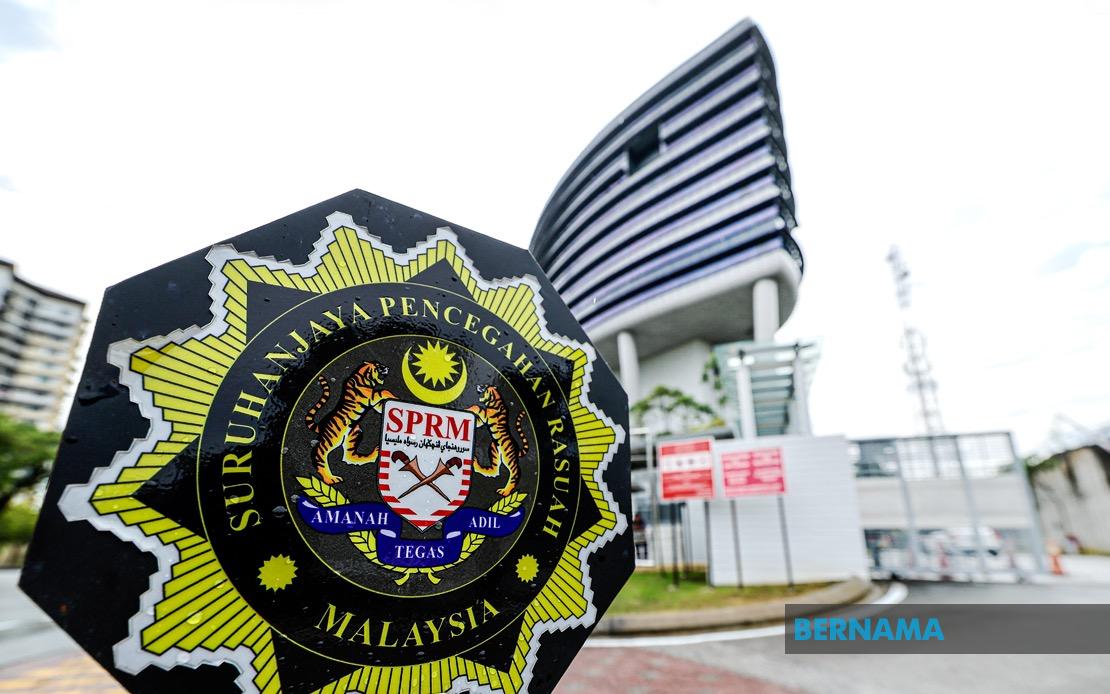
The Malaysian Anti-Corruption Commission has responded swiftly to the public release of the Royal Commission of Inquiry report on Lembaga Tabung Haji by establishing a specialised investigation unit tasked with determining whether criminal conduct occurred during the pilgrimage fund's troubled period. The move signals official recognition that the RCI's findings warrant formal legal scrutiny beyond the administrative review process that produced the report itself, and demonstrates institutional willingness to translate inquiry conclusions into actionable enforcement matters.
Led by MACC Investigation Division senior director Datuk Mohd Hafaz Nazar, the special team will methodically examine the RCI report's central allegations through the lens of Malaysia's principal anti-corruption statutes. The investigators will specifically assess whether any identified conduct satisfies the legal elements of corruption offences under the MACC Act 2009, or whether the suspicious transactions documented in the report constitute money laundering activities requiring scrutiny under the Anti-Money Laundering, Anti-Terrorism Financing and Proceeds of Unlawful Activities Act 2001. This dual-track approach reflects the complexity of white-collar financial crimes, which often simultaneously violate multiple statutory regimes.
The RCI report, which became accessible through the Department of Islamic Development Malaysia portal, examined Lembaga Tabung Haji's governance and financial management across a critical seven-year window from 2014 to 2020, a period that coincided with substantial deterioration in the fund's asset base. The inquiry identified specific investment decisions that appeared questionable in retrospect, recommended independent forensic auditing to reconstruct the decision-making processes behind these investments, and documented instances of information concealment that suggested deliberate obstruction rather than mere administrative oversight. These findings form the evidentiary foundation upon which the MACC team will now build its preliminary legal assessment.
For Malaysian investors and especially the devout Muslims who constitute Tabung Haji's membership base, this investigative phase carries significant implications. The fund serves as a crucial financial instrument for approximately 9 million contributors saving for pilgrimage expenses, and the documented deterioration in asset values represents direct harm to retirement and religious obligation planning. The MACC's commitment to pursue wrongdoing regardless of the position or status of those implicated suggests that accountability will not be constrained by political considerations or institutional rank, a reassurance that resonates particularly given Malaysia's historical challenges with enforcement selectivity.
The commission's official statement emphasised its dedication to examining every substantive matter raised within the RCI report and pledged that identified breaches would trigger decisive legal action without regard for the accused individuals' backgrounds or positions. This language deliberately addresses public scepticism about whether powerful figures implicated in the report would receive preferential treatment, and represents an implicit acknowledgment that Malaysians harbour legitimate concerns about unequal application of anti-corruption law. The undertaking to observe rule-of-law principles and maintain institutional independence from external pressure carries particular weight given ongoing national debates about the autonomy of investigative and prosecutorial agencies.
The MACC's request for the public to refrain from speculation about the RCI findings pending completion of the investigation reflects standard investigative practice designed to prevent prejudicial publicity that could compromise eventual prosecutions. However, this appeal arrives in a political environment where Tabung Haji's losses have become a matter of considerable public commentary, and where various stakeholders harbour different expectations about which individuals should face accountability. Managing these expectations while preserving investigative impartiality represents a significant institutional challenge, particularly since the RCI report itself has already entered public discourse and shaped preliminary conclusions about responsibility.
The forensic audit component recommended by the RCI will necessarily precede and inform the MACC investigation, as the commission will require detailed financial reconstruction of questionable transaction chains to establish whether identified patterns meet legal standards for corruption or misappropriation. This forensic work involves examining transaction documentation, payment flows, decision-making correspondence, and potential undisclosed interests or conflicts that may have influenced investment choices. Such technical investigation demands expertise in both Islamic finance instruments, in which Tabung Haji's portfolio is denominated, and in detecting the particular characteristics of white-collar financial crimes designed to obscure genuine purposes behind ostensibly legitimate transaction structures.
Regionally, the Tabung Haji matter resonates beyond Malaysia's borders, as other Muslim-majority nations across Southeast Asia have established comparable pilgrimage savings programmes and face comparable governance challenges in managing large pools of retail investor capital. The Malaysian approach—combining independent inquiry, transparent public disclosure, and formal investigative follow-up—demonstrates institutional mechanisms that regional counterparts monitor as potential models for enhancing accountability in faith-based financial institutions. The outcome of the MACC investigation may therefore influence how other governments in the region approach oversight of similar programmes.
The timing of the MACC team's establishment, occurring within days of the RCI report's public release, underscores official commitment to preventing the inquiry from becoming a historical document without operational consequences. This responsiveness suggests that investigative authorities took seriously the RCI's preliminary conclusion that suspicious transactions and information concealment occurred, findings that distinguish the Tabung Haji matter from routine financial management disputes and elevate it to potential criminal conduct requiring formal prosecutorial assessment. The composition of the task force and the explicit statement of investigation parameters provide transparency about the institutional machinery now engaged with the matter, though actual investigative progress will remain necessarily confidential pending conclusion of the review phase.
The statement's emphasis on strengthening national governance and maintaining integrity in official responsibilities reflects broader Malaysian governance debates about institutional capacity and political will to address systemic corruption. Tabung Haji's situation exemplifies how governance failures in major state institutions affect retail investors directly, creating political pressure for accountability that intersects with broader anti-corruption imperatives. The MACC's positioning of this investigation as integral to governance strengthening rather than as an isolated case prosecution suggests institutional understanding that public confidence in anti-corruption enforcement depends on visible investigation of high-profile financial misconduct affecting significant segments of the population.
As the investigation proceeds, several secondary questions will likely emerge regarding institutional coordination between the MACC, the Attorney-General's office, and financial regulators overseeing Tabung Haji's ongoing operations. These entities must balance investigative requirements against the practical necessity of maintaining the fund's functionality and protecting remaining assets while accountability processes unfold. The investigation's ultimate duration and whether it culminates in prosecutions remain uncertain, but the formal establishment of the special team represents a concrete governmental commitment to subjecting the RCI findings to rigorous legal examination rather than allowing them to conclude with administrative recommendations alone.

