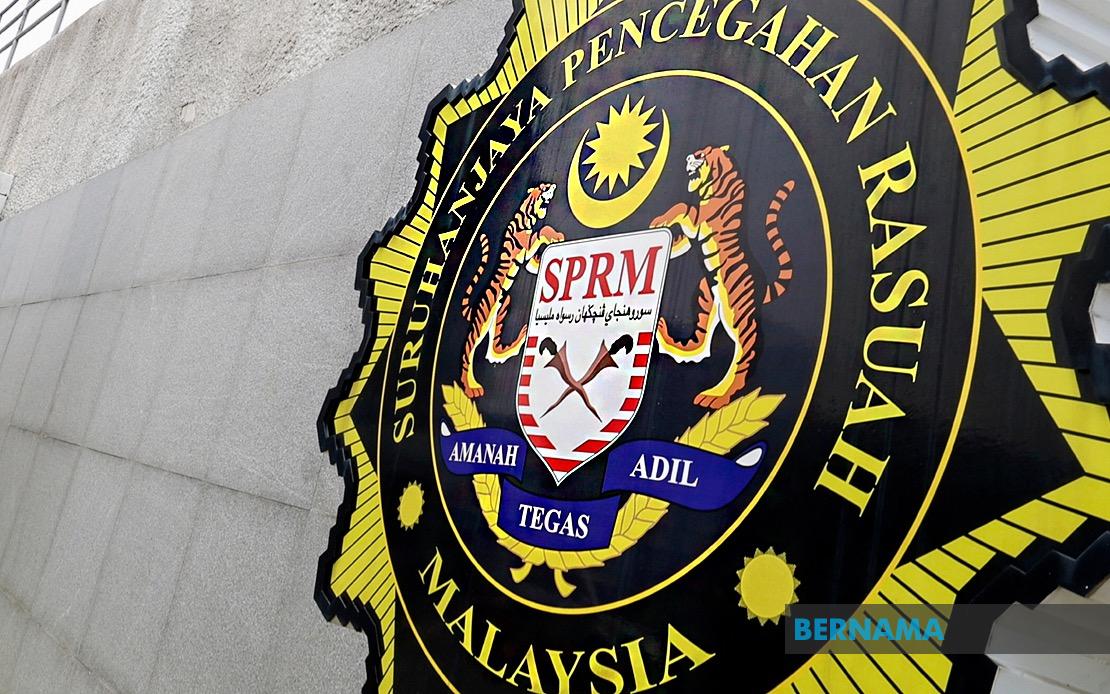
Malaysia's fight against corruption has gained significant international validation, with the Malaysian Anti-Corruption Commission (MACC) achieving finalist status in four separate categories at the prestigious ICA Compliance Awards APAC 2026. This inaugural participation represents a milestone for the agency, underscoring its expanding reputation within the global compliance and anti-corruption community. The recognition comes from the International Compliance Association, a leading professional body that shapes integrity standards across the Asia-Pacific region.
The commission's nominations span both individual achievement and organisational excellence, reflecting the breadth of MACC's institutional capacity. Investigation Division Branch C head Mohd Shukri Mohd Said has been selected as a finalist for Compliance Leader of the Year, while Mohammad Nazree Mansor competes in the Rising Star Award category. These personal recognitions acknowledge the calibre of professionals driving the agency's anti-corruption mandate at the operational level. Alongside these individual honours, MACC itself earned shortlist positions in the Compliance Team of the Year category and the Small Compliance Team of the Year designation, which honours units with fewer than seven members.
Datuk Mohd Hafaz Nazar, the MACC's Investigation Division senior director, framed the nominations as validation of the commission's sustained dedication to institutional integrity and governance excellence. He observed that such international recognition serves as motivation for the agency to maintain rigorous standards in both its domestic operations and its growing profile on the world stage. This perspective reflects a broader strategic imperative within Malaysian public institutions to demonstrate competence and accountability to international audiences, particularly as Malaysia seeks to strengthen its investment climate and institutional credibility.
For Mohd Shukri, the Compliance Leader of the Year nomination carries symbolic weight beyond individual achievement. He characterised the recognition as emblematic of MACC's institutionalised commitment to elevating professional standards among its workforce. His comments underscore how the agency views international benchmarking as integral to advancing Malaysia's national anti-corruption agenda. The nomination of a divisional head at this level also signals the International Compliance Association's confidence in MACC's investigative capabilities and the professionalism demonstrated by its senior operational staff.
Mohammad Nazree's inclusion in the Rising Star Award category holds particular significance for talent development within the public sector. Recognition of emerging compliance professionals helps attract and retain skilled practitioners in Malaysia's anti-corruption infrastructure. For Nazree himself, the nomination represents an opportunity to showcase the depth of technical expertise within MACC's younger generation of officers—individuals who will shape the agency's capacity over the coming decade. His nomination signals that professional development pathways within MACC are producing internationally competitive talent.
The ICA Compliance Awards APAC programme itself reflects the Asia-Pacific region's growing emphasis on compliance infrastructure and institutional integrity. The awards honour excellence, innovation and collaborative approaches to combating financial crime and governance failures across one of the world's most economically dynamic regions. For Malaysia specifically, MACC's strong showing in its inaugural participation demonstrates that the country's anti-corruption efforts have attained standards recognised by international professional bodies—a distinction that carries implications for Malaysia's standing among peers in ASEAN and beyond.
The International Compliance Association's own trajectory underpins the credibility of these recognitions. Established in 2001, the ICA has evolved into a major force in professional compliance training and credentialing, serving over 160,000 practitioners globally through its certified programmes and qualifications. The organisation's expansion reflects broader institutional demand for standardised compliance expertise, particularly as regulatory complexity has intensified across jurisdictions. MACC's finalist status thus places it within a cohort of organisations that have demonstrated adherence to internationally benchmarked standards.
The announcement of winners is scheduled for a virtual ceremony on July 21, a format reflecting contemporary global professional practice. This timeline creates a defined period for anticipation and preparation within MACC, allowing the agency and its nominated personnel to engage with international peers and gain visibility within the compliance community. A successful outcome would provide Malaysia's anti-corruption establishment with tangible external validation and potentially enhance MACC's capacity to recruit and retain talented professionals who value international recognition of their work.
The broader context for these nominations extends beyond ceremonial recognition. Malaysia has faced sustained international scrutiny regarding corruption and governance standards, with major scandals involving state-linked entities and high-profile political figures shaping the nation's reputation. MACC's strong international positioning therefore carries strategic importance for Malaysia's efforts to rebuild institutional credibility. International awards and recognition programmes provide independent third-party validation that domestic anti-corruption efforts are substantive rather than performative. For potential investors, business partners and international counterparts, MACC's finalist status offers evidence that Malaysia possesses a functioning institutional apparatus dedicated to combating malfeasance.
The commission's participation in international benchmarking also reflects organisational maturity. Engaging with globally recognised standards programmes demonstrates institutional confidence and a willingness to subject performance to external scrutiny. This openness to international evaluation stands in contrast to closed institutional cultures that resist external assessment. For MACC, leveraging such platforms strengthens its legitimacy as an autonomous watchdog rather than merely a government agency executing executive directives.
Looking forward, these nominations may catalyse deeper institutional engagement with international compliance frameworks. Exposure to best practices and recognition programmes often spurs organisations to adopt enhanced methodologies, improved training protocols and more rigorous performance metrics. For MACC, the awards process itself—from nomination through selection and potential victory—serves as a mechanism for institutional learning and refinement. The process encourages reflection on strengths, benchmarking against international comparators and identification of areas for improvement.
The recognition also carries implications for public confidence in Malaysia's anti-corruption machinery. Citizens and businesses operating within Malaysia benefit from institutional validation that their country possesses anti-corruption capacity meeting internationally recognised standards. This reassurance matters particularly in markets where corruption concerns influence business decisions and investment allocation. MACC's international standing thus translates into practical advantages for the Malaysian economy and governance environment.
As Malaysia navigates its post-pandemic recovery and seeks to attract high-quality foreign investment while maintaining domestic stability, the role of professional and credible public institutions becomes increasingly central. MACC's performance in international recognition programmes contributes to the broader narrative of institutional competence that Malaysia must sustain to compete effectively for talent and capital in an increasingly globalised landscape.

