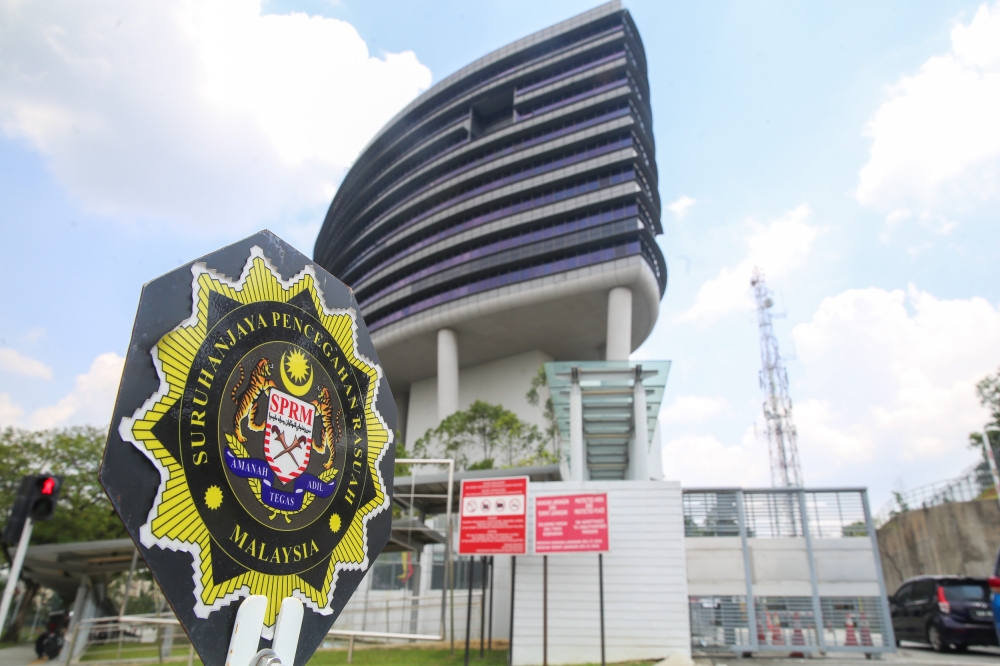
The Malaysian Anti-Corruption Commission broadened its enforcement action on August 4 by apprehending five more immigration department personnel in connection with the MyIMMs hacking investigation, intensifying scrutiny into what has become one of the most significant data security incidents affecting Malaysia's immigration infrastructure in recent years.
These latest detentions follow an earlier wave of arrests as authorities work to uncover the full scope of alleged unauthorized access to the MyIMMs system, which serves as the backbone of Malaysia's immigration management and visa processing operations. The expansion of enforcement actions signals that investigators have identified additional individuals who may have been implicated in the breach or related misconduct.
The MyIMMs platform represents a critical national system that processes millions of transactions annually, from visa applications and travel permits to border crossing records and identity verification. The integrity of this system carries implications extending far beyond administrative efficiency—a compromised immigration database could potentially affect national security, facilitate document fraud, or enable unauthorized access to sensitive personal information on Malaysian citizens and foreign nationals.
Investigators have been examining multiple angles regarding how the breach occurred and whether internal personnel exploited system vulnerabilities for financial gain, to facilitate immigration violations, or as part of a broader criminal scheme. The targeting of immigration officers specifically suggests that investigators believe individuals with legitimate system access may have exceeded their authorized permissions or colluded with external actors.
The escalating number of detentions indicates that the MACC's investigation has progressed beyond identifying a single perpetrator or isolated incident. Rather, authorities appear to be following a network of connections suggesting either systematic abuse of administrator privileges or an organized scheme involving multiple participants across different operational levels within the immigration department.
For Malaysia's regional standing, the MyIMMs breach carries reputational implications within Southeast Asia's interconnected travel and commerce networks. Other ASEAN member states rely on information sharing and coordination regarding immigration matters, and a compromised Malaysian system could undermine regional confidence in data security protocols. This is particularly relevant given increased efforts toward seamless travel arrangements and biometric data integration across the region.
The investigation also raises questions about internal controls and oversight mechanisms within the immigration department. How unauthorized system access went undetected for what appears to have been an extended period, and whether adequate audit trails and monitoring systems exist to flag suspicious user behavior, remain critical issues for organizational accountability and operational reform.
From a public trust perspective, the incident highlights vulnerabilities in Malaysia's digital infrastructure at a moment when the government has been emphasizing digital transformation across government services. The MyIMMs system itself was introduced as a modernization initiative, yet its apparent security lapses could slow broader adoption of digital-first government services among both citizens and international users of Malaysian immigration facilities.
The MACC's sustained investigative effort, evidenced by the continued stream of arrests and detentions, demonstrates institutional commitment to addressing the breach thoroughly rather than treating it as an isolated matter. However, the focus on internal personnel also raises uncomfortable questions about whether the immigration department's own hiring, vetting, and ethical standards require examination and reinforcement.
Beyond the immediate criminal investigation, the incident creates pressure for comprehensive institutional responses including security audits, system upgrades, personnel retraining, and potentially legislative or regulatory amendments strengthening data protection frameworks for sensitive government systems. The private sector, which processes parallel visa and travel data through partnerships with the immigration department, also faces indirect scrutiny regarding data-sharing protocols.
Malaysian business interests, particularly those in tourism, shipping, and international trade sectors heavily dependent on efficient immigration processing, have a vested interest in rapid system restoration and public confidence that MyIMMs can be trusted. Any extended operational disruption or extended investigation could create bottlenecks affecting economic activity and Malaysia's competitiveness as a regional business hub.
The expanded enforcement action reflects an investigative philosophy of following leads comprehensively rather than concluding the matter after initial arrests. Authorities are evidently pursuing whether additional individuals possessed knowledge of the breach, benefited from it, or facilitated access—questions that typically require multiple interviews and cross-examination of detainees to establish connections and accountability.
Looking forward, the resolution of these cases will likely influence how Malaysia approaches data governance across other critical government systems, particularly those handling sensitive personal information or enabling access to strategic resources. The MyIMMs investigation thus carries implications extending well beyond immigration administration into broader questions about digital security, institutional integrity, and public sector accountability in Malaysia's digital future.

