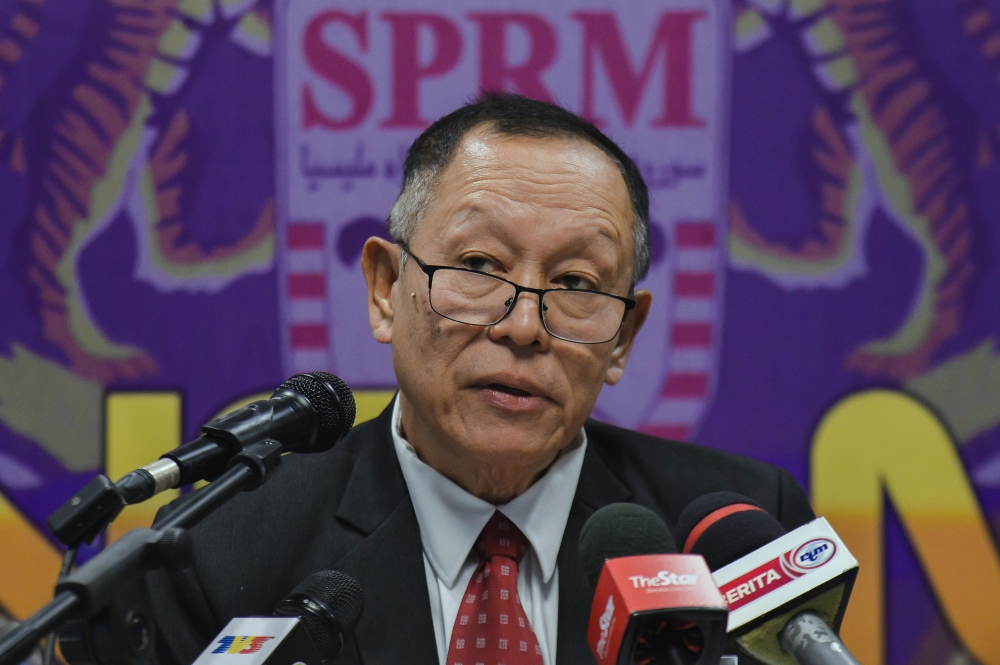
The Malaysian Anti-Corruption Commission (MACC) has taken action against a former chief executive officer and chief financial officer, detaining both individuals as part of an investigation into allegations of abuse of power linked to a substantial RM370 million plantation transaction. The high-profile arrests underscore the anti-graft agency's continued commitment to pursuing senior corporate figures suspected of misconduct in major commercial dealings.
The move reflects growing concern about corporate governance lapses within Malaysia's business sector, particularly in large-value transactions involving substantial capital deployment. Such acquisitions and deals have historically attracted scrutiny from enforcement authorities, especially when administrative processes and approval mechanisms appear to have been circumvented or improperly managed. The plantation sector, a significant component of Malaysia's agricultural and export economy, remains under heightened regulatory attention due to its scale and economic importance.
Former executives occupying the apex of organisational hierarchies typically exercise considerable discretionary authority over major business decisions and capital allocation. When allegations surface concerning the misuse of these powers—such as approving transactions without proper authorisation, circumventing established procurement procedures, or failing to disclose conflicts of interest—the matter escalates beyond routine corporate oversight into potential criminal territory. The MACC's intervention signals that investigating authorities have identified sufficient grounds to believe that legal thresholds have been crossed.
The RM370 million figure attached to this transaction places it firmly within the category of deals requiring rigorous due diligence and multi-layered approval mechanisms. For context, transactions of this magnitude typically involve board-level deliberation, formal documentation, and compliance verification to ensure alignment with corporate bylaws, regulatory requirements, and fiduciary obligations owed to shareholders and stakeholders. Any deviation from established protocols warrants investigation, particularly when senior management orchestrates such deviations.
Corporate malfeasance of this nature carries implications extending well beyond individual culpability. When executives at the highest echelons are implicated in improper dealings, questions inevitably arise about the adequacy of internal control frameworks, audit functions, and board oversight mechanisms. Shareholders and institutional investors scrutinise whether governance structures successfully prevented or detected irregular conduct. Beyond the specific entities involved, such cases contribute to broader perceptions about corporate accountability standards across Malaysia's business landscape.
The detention of both the CEO and CFO simultaneously suggests investigators have developed a narrative implicating both figures in coordinated action or mutual acquiescence to improper procedures. Financial officers occupy gatekeeping roles within organisations; their involvement in alleged misconduct indicates potential deficiencies not merely in decision-making but in the mechanisms intended to flag irregular transactions. This parallel culpability often points to institutional failures rather than isolated individual lapses.
For Malaysian stakeholders—particularly those invested in plantation companies, agricultural enterprises, or entities within related supply chains—the MACC action serves as a reminder that high-level positions offer no immunity from investigation and prosecution when misconduct allegations surface. The case reinforces that anti-corruption enforcement operates independently of executive rank or organisational prominence. This has potential ramifications for corporate leadership recruitment and retention, as senior executives increasingly factor legal exposure into career calculations.
The timing and nature of the arrests also reflect MACC's operational capacities and strategic priorities. The agency has progressively demonstrated willingness to pursue complex corporate investigations involving substantial sums and sophisticated transaction structures. This represents a departure from earlier eras when enforcement focus concentrated predominantly on relatively straightforward bribery and kickback schemes. Modern anti-corruption work increasingly encompasses forensic examination of transaction documentation, fund flows, and decision-making processes within organisations.
Regionally, Malaysia's anti-corruption posture has attracted international attention and comparison with peer economies. The consistency and vigour with which authorities pursue alleged executive misconduct influences foreign investor confidence and corporate governance standards across Southeast Asia. When major prosecutions progress successfully, they signal to regional business communities that Malaysia maintains substantive rather than nominal anti-corruption architecture. Conversely, prosecutorial lapses or extended delays undermine such messaging.
The plantation sector specifically warrants particular vigilance given its historical significance to Malaysia's economy and its integration into global commodity markets. Irregular dealings within the sector potentially create distortions affecting pricing, competition, and market access. Environmental and sustainability dimensions add further complexity, as these transactions increasingly involve considerations extending beyond conventional financial metrics to encompass land use, conservation obligations, and regulatory compliance across multiple jurisdictions.
As investigations proceed, the MACC's ability to build compelling cases depends on securing cooperation from witnesses, financial institutions, and corporate personnel who possess knowledge of transaction mechanics and decision-making processes. The early detention of senior figures often proves instrumental in securing such cooperation, as individuals recognise their vulnerability and contemplate negotiated outcomes. This investigative tactic has proven effective in complex corporate fraud scenarios historically.
The developments also carry implications for corporate boards and audit committees within Malaysia's business ecosystem. Organisations are likely to intensify scrutiny of major transaction approvals, documentation standards, and the division of authority between executive management and oversight bodies. Insurance providers offering directors' and officers' liability coverage may adjust premiums and policy terms based on perceived governance risks within affected sectors.
Ultimately, the MACC's action represents a critical juncture in corporate accountability within Malaysia's plantation sector specifically and its broader business environment generally. How comprehensively and fairly investigations proceed, and whether prosecutions result in convictions, will substantially influence perceptions about the integrity of executive governance and the credibility of enforcement mechanisms designed to police corporate misconduct.

