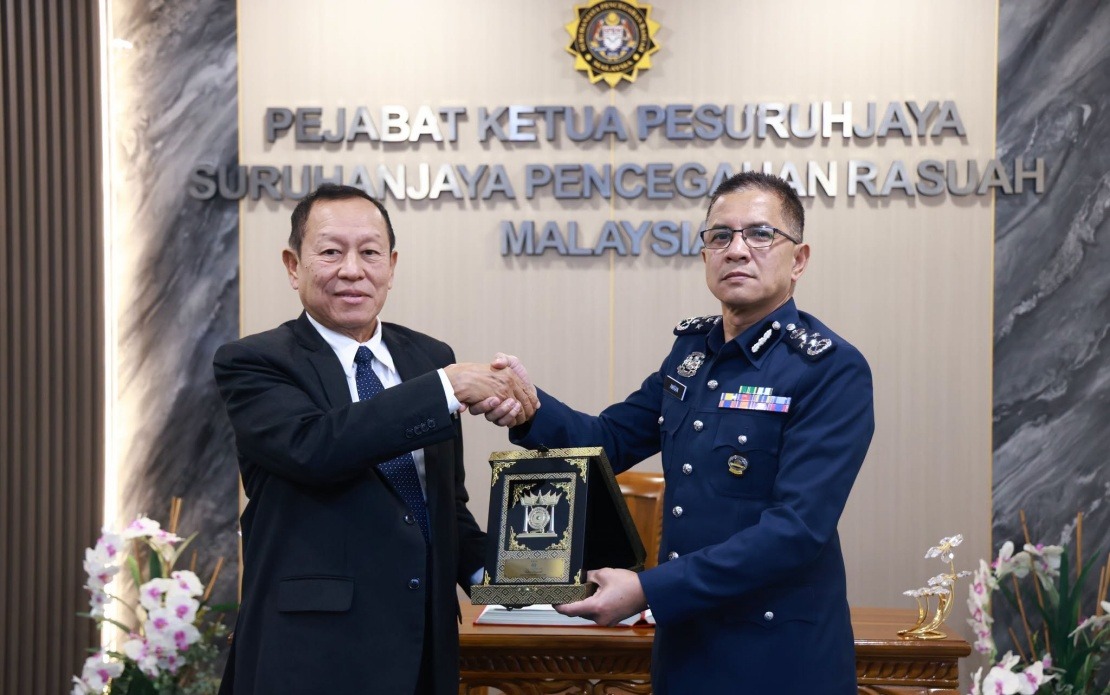
The Malaysian Anti-Corruption Commission (MACC) and the Royal Malaysian Customs Department (JKDM) have moved to establish a joint task force aimed at bolstering enforcement operations and tax collection across the country's strategic port facilities. The proposal emerged from high-level discussions held at MACC headquarters in Putrajaya on July 15, when JKDM director-general Datuk Amran Ahmad visited the commission to explore avenues for deeper inter-agency cooperation on matters affecting national revenue and border security.
According to MACC chief commissioner Datuk Seri Abd Halim Aman, the initiative addresses mounting challenges both agencies face in their respective operational domains. The one-hour strategic meeting served to identify overlapping concerns and coordinate responses to systematic attempts to circumvent customs procedures and tax obligations. By pooling resources and intelligence, the two bodies aim to create a more unified approach to monitoring high-risk operations at ports nationwide, where revenue leakages and illicit smuggling have long presented enforcement difficulties.
The meeting highlighted persistent vulnerabilities in container management systems under JKDM's purview. Officials discussed how organized syndicates exploit procedural gaps and documentation irregularities to move goods across borders while evading proper taxation and customs declarations. These discussions underscore a broader challenge facing Malaysian authorities: the need to modernize port oversight in an era when global trade volumes continue expanding and smuggling networks grow increasingly sophisticated in their methods.
One particularly concerning pattern identified during the talks involves deliberate misrepresentation of cash movements across borders. JKDM has documented cases where individuals declared substantially lower amounts of foreign currency upon entry than they actually carried, creating opportunities for money laundering and circumventing financial regulations. This tactic, while seemingly straightforward, reveals gaps in verification procedures and the limited cross-checking between customs declarations and actual financial movements that authorities currently conduct.
Beyond immediate operational concerns, the proposed task force reflects a strategic recognition that anti-corruption efforts and customs enforcement represent complementary functions. Corruption within port operations—whether through bribery of officials, falsification of records, or collusion with smuggling networks—directly undermines tax collection and enables contraband movement. By integrating MACC's investigative capacity and anti-corruption expertise with JKDM's specialized customs knowledge, the agencies position themselves to disrupt these networks more effectively.
The establishment of formal inter-agency mechanisms carries particular significance for Malaysia's revenue base. Customs duties and port-related taxation form a substantial component of government income, and evasion at strategic facilities translates directly into lost public funds. Ports such as Port Klang and Port of Tanjung Pelepas handle enormous container volumes daily, creating both operational complexity and numerous potential vulnerability points that require constant monitoring and adaptive enforcement strategies.
Amran's statement that JKDM welcomes MACC's involvement in promoting integrity culture among customs personnel suggests the task force will encompass not merely operational enforcement but also institutional strengthening. Training programs on corruption awareness and proper procedures could reduce opportunities for internal complicity with smuggling operations. Such initiatives address a critical vulnerability: even robust systems collapse when officials responsible for implementing them become compromised through bribery or coercion.
The reference to syndicates employing sophisticated evasion tactics—including document falsification and false declarations under varying approval frameworks—indicates that Malaysian smuggling networks have become increasingly professionalized. These operations likely involve coordination across multiple agencies and jurisdictions, making isolated enforcement responses inadequate. A coordinated task force can establish patterns across different smuggling attempts, identify common methodologies, and develop targeted countermeasures.
For Malaysian business and trade sectors, this development carries mixed implications. While strengthened enforcement may initially increase compliance burdens and scrutiny at ports, legitimate traders ultimately benefit from a regulatory environment where competitors cannot gain unfair advantage through evasion. Over time, enhanced port security and predictable enforcement should reduce informal costs that honest traders incur when seeking to navigate around weak controls.
Regionally, Malaysia's initiative to strengthen customs and anti-corruption coordination aligns with broader Southeast Asian efforts to combat transnational smuggling and illicit trade. As regional economies integrate and trade corridors multiply, the need for coordinated enforcement becomes increasingly acute. The ASEAN region faces particular challenges from contraband movement, including counterfeit goods, protected wildlife products, and tax-evaded consumer goods that transit through major hubs like Malaysian ports.
The involvement of senior officials including MACC Investigation Division senior director Datuk Mohd Hafaz Nazar and JKDM Integrity branch head Azian Umar indicates this represents more than a routine administrative proposal. The inclusion of integrity-focused personnel suggests the task force will prioritize internal control mechanisms alongside external enforcement. This dual focus—simultaneously addressing systemic vulnerabilities and personnel conduct—offers a more comprehensive approach than traditional customs operations alone.
Implementation will determine whether this proposal translates into meaningful operational improvements. Successful task forces require clear mandate definition, adequate resource allocation, and genuine information-sharing mechanisms between agencies that may not historically coordinate closely. The coming months will reveal whether MACC and JKDM can overcome bureaucratic silos and establish the practical mechanisms necessary to monitor enforcement effectiveness and track revenue protection outcomes across Malaysian ports.

