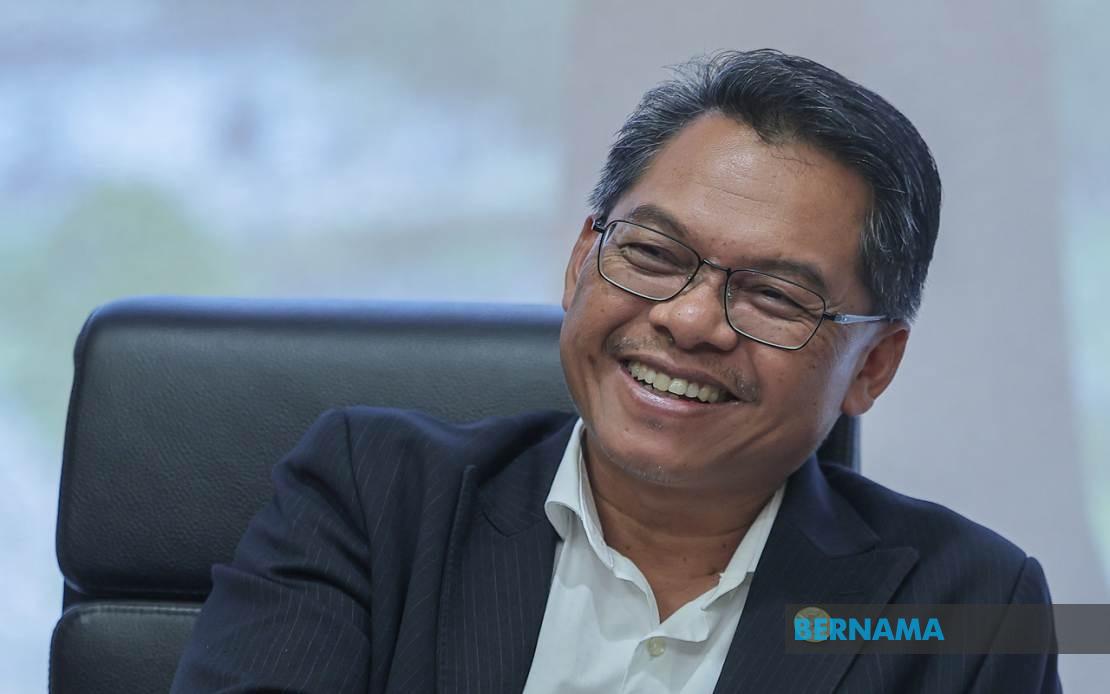
The Technical Committee overseeing implementation of the Malaysia Agreement 1963 has called for urgent action across the federal government to tackle remaining administrative and policy matters that have yet to be fully resolved. The directive, issued during a meeting in Putrajaya chaired by Datuk Mustapha Sakmud, Minister in the Prime Minister's Department overseeing Sabah and Sarawak affairs, reflects growing momentum to clear a backlog of unfinished items before Prime Minister Datuk Seri Anwar Ibrahim convenes a higher-level steering council next month.
The Malaysia Agreement 1963 remains one of Southeast Asia's most significant constitutional documents, establishing the federation that united the peninsula with Sabah and Sarawak. Six decades on, its full implementation continues to generate discussion between Kuala Lumpur and the two East Malaysian states, touching on resource rights, immigration controls, religious authority, and fiscal arrangements. The existence of a dedicated Technical Committee and the higher Implementation Action Council demonstrates that resolving these longstanding matters remains a priority for the current federal administration.
During the Putrajaya meeting, committee members undertook a comprehensive review of progress made to date and assessed remaining work across various portfolios. The timing is deliberate—with the Prime Minister scheduled to chair the full council in the coming weeks, the Technical Committee needed to consolidate its findings and ensure all preparatory groundwork was completed. This sequencing allows the highest levels of government to make informed decisions on any contentious points that require political intervention.
Three major policy areas commanded particular attention during discussions. The Borneonisation of the public service addresses a long-standing concern that federal bureaucracies in Sabah and Sarawak have historically been staffed predominantly by peninsular officials unfamiliar with local conditions and sensitivities. Increasing recruitment and promotion of East Malaysian civil servants into administrative positions theoretically improves service delivery and ensures policies reflect genuine local needs. Healthcare disparities between the peninsula and Sabah and Sarawak represent another critical gap—remote areas in particular struggle with specialist services, maternal health outcomes, and medical infrastructure compared to more developed regions. Finally, education sector strengthening encompasses teacher recruitment, curriculum adaptation, and resource allocation to ensure schools in East Malaysia meet modern standards.
Datuk Mustapha emphasised that the iterative engagement through various working committees has consistently demonstrated how federal and state governments can achieve results through constructive dialogue grounded in shared respect for institutional interests. This framing is politically significant given historical tensions over MA63 implementation and the need to maintain goodwill between Putrajaya and the Sabah and Sarawak administrations as implementation accelerates.
Two concrete achievements underscore the committee's claim of tangible progress. Sabah's Special Grant under Article 112D of the Federal Constitution has been increased to RM1.5 billion for the current financial year, a substantial boost to the state's discretionary revenues. This fiscal transfer mechanism, enshrined in the original agreement, has long been a flashpoint in federal-state relations, with Sabah arguing that the quantum has not kept pace with economic growth or inflation. The increase represents acknowledgment of this concern and provides the state with additional resources for development priorities.
The transfer of Bintulu Port to Sarawak state government control, completed on July 21, carries broader symbolic and economic weight. Port facilities are critical infrastructure assets with revenue potential and strategic importance, and returning operational control to the state represents devolution of significant asset management authority back to Kuala Lumpur's partner. The transaction reflects the MADANI Government's stated commitment to honouring constitutional commitments to East Malaysia, distinguishing its approach from previous administrations that, from Sabah and Sarawak's perspective, had been perceived as slow-moving on MA63 implementation.
These developments occur within a specific political context. Both Sabah and Sarawak retain considerable electoral importance in national politics, and their satisfaction with federal performance on constitutional matters affects coalition stability in parliament. The Anwar Ibrahim administration, dependent on support from East Malaysian MPs, has clear incentive to demonstrate delivery on promises regarding MA63. Conversely, state governments in Sabah and Sarawak benefit from demonstrating to their electorates that engagement with federal authorities yields tangible benefits.
The emphasis on achieving implementation through consensus and mutual respect is notable given past disputes that occasionally turned acrimonious. The constructive framing suggests both sides have committed to problem-solving rather than confrontation, though underlying disagreements on specific matters undoubtedly remain. The existence of technical and implementation committees provides structured forums for these negotiations to proceed beyond public posturing.
For Malaysian and Southeast Asian observers, the MA63 implementation process carries broader implications. How federal systems balance central authority with regional autonomy, particularly in geographically dispersed federations, remains a governance challenge across the region. Successful resolution of MA63 matters could offer lessons for managing centre-state relations elsewhere. Conversely, continued friction could undermine confidence in Malaysia's federal architecture.
The August timeline for Prime Minister Anwar's steering council meeting provides a clear deadline for resolving technical issues and preparing policy recommendations. Committee members are evidently working to ensure that meeting produces concrete outcomes rather than further delays. Whether the momentum described in Putrajaya translates into actual policy changes affecting healthcare delivery, educational standards, and public service composition will determine whether these undertakings amount to substantive reform or primarily serve public relations purposes. The next few weeks will prove revealing.

