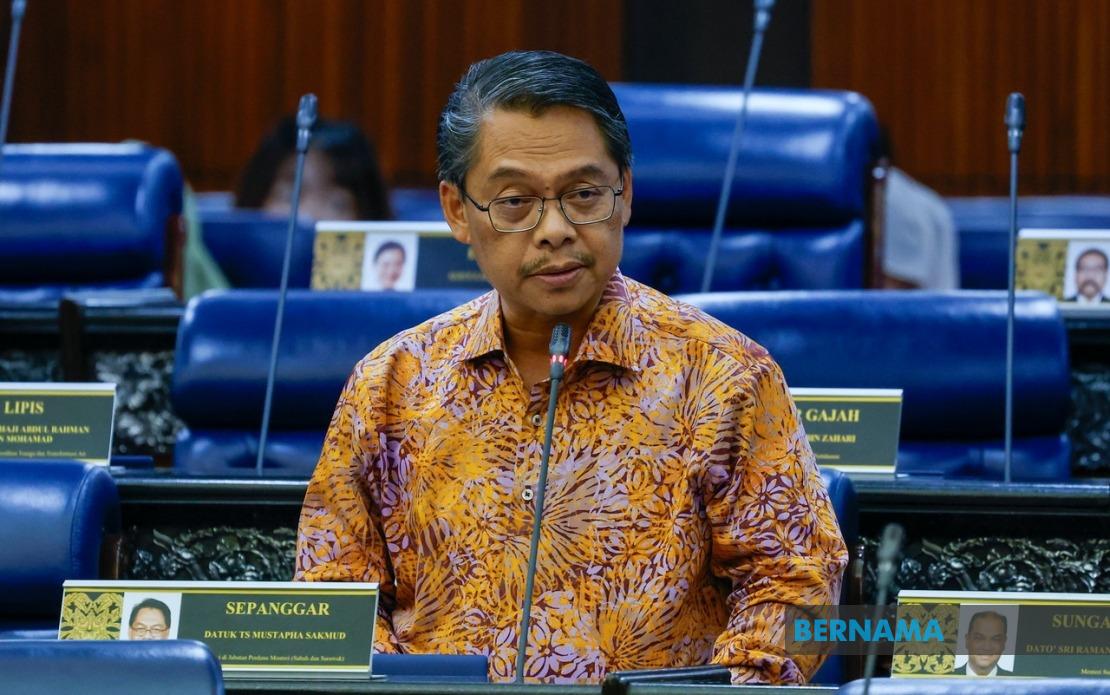
Progress in implementing the Malaysia Agreement 1963 has gained momentum with nearly half of the negotiated matters now either fully or partially resolved, according to Datuk Mustapha Sakmud, the Minister in the Prime Minister's Department responsible for Sabah and Sarawak Affairs. Speaking in parliament, Mustapha revealed that 13 of the 29 items under discussion have achieved complete resolution, while a further five have moved into an interim status following a March 2 technical committee session.
The resolution of 13 core matters represents a significant step forward in addressing longstanding grievances between the federal government and the Borneo states. These outcomes have been reached through sustained dialogue on issues that have been contentious since Malaysia's formation six decades ago. The framework established under MA63 provides the institutional mechanism through which Sabah and Sarawak can negotiate their federal relationship, making these developments particularly meaningful for the two states whose interests have often been overshadowed in national policymaking.
Among the five matters achieving interim status, four centre on substantive reforms with direct implications for state governments and their populations. These include the expansion of state public service positions under Article 112 of the Federal Constitution, which concerns the autonomy of Sabah and Sarawak in managing their own civil service establishments. Also under interim resolution are longstanding discussions on health and education policy, sectors where the states have sought greater control and resource allocation. The fourth interim matter addresses Borneonisation of the Federal public service, a concept aimed at increasing the representation of Sabah and Sarawak personnel within federal agencies operating in these states.
The remaining 11 unresolved matters continue to occupy the attention of the Sabah and Sarawak Affairs Division, which functions as the technical secretariat for MA63 negotiations. This division maintains close coordination with stakeholders across both federal and state administrations, ensuring that discussions remain structured and progress remains on track. The complexity of these remaining issues suggests that simpler matters have already been addressed, leaving the more difficult jurisdictional and constitutional questions for ongoing negotiation.
One particularly contentious issue raised in parliament concerns parliamentary representation. Kota Belud MP Isnaraissah Munirah Majilis from Warisan party pressed the minister on demands to increase the number of parliamentary seats allocated to Sabah and Sarawak in order to achieve a 35 per cent quota of the total Dewan Rakyat membership. This represents a longstanding concern among East Malaysian politicians who argue that their states remain underrepresented relative to their population and territorial contribution to the federation.
Mustapha's response clarified that increasing parliamentary seats remains a live but unresolved matter. The technical obstacles are substantial. Any redistribution of electoral seats can only be executed by the Election Commission following the completion of an eight-year electoral cycle, a requirement embedded in the constitutional framework. This ensures that electoral changes do not occur too frequently, but it also means that adjustments cannot happen on a discretionary basis.
Beyond the procedural limitations lies a more fundamental constitutional hurdle. Modifying the composition of the Dewan Rakyat falls under Article 46 of the Federal Constitution, which safeguards the basic structure of parliamentary representation. Any change to this article requires a two-thirds supermajority in the lower house, a demanding threshold that necessitates broad cross-party consensus. This constitutional protection means that altering Sabah and Sarawak's representation requires not merely political will but substantial parliamentary support that transcends ordinary legislative majorities.
The MA63 framework itself emerged from the original 1963 agreement that saw Sabah and Sarawak join the federation. The agreement contained specific provisions protecting the interests of these states, including provisions on autonomy, fiscal arrangements, and representation. Over the decades, implementation of these provisions has been inconsistent, with federal governments sometimes overlooking or reinterpreting terms to consolidate central authority. The current negotiation process represents a renewed commitment to actualising the agreement's original intent, though progress has been incremental.
For Malaysian policymakers and regional observers, the resolution of these 13 matters and the interim progress on five others signals that the negotiation process, while slow, is producing tangible results. In Southeast Asia, where federal arrangements and inter-state relations remain sensitive, Malaysia's experience demonstrates both the challenges and possibilities of federalism. The ongoing discussions touch on issues that resonate across the region: how central governments balance integration with respect for state autonomy, how federal systems accommodate regional aspirations, and how constitutional frameworks can evolve to address historical imbalances.
The interim status of the five matters indicates they have achieved sufficient consensus to move beyond fundamental disagreement, though details remain to be worked out or implementation mechanisms require further refinement. This represents genuine progress in negotiations that could easily have deadlocked. However, the remaining 11 unresolved matters suggest that harder questions persist. These likely involve fundamental issues of jurisdiction, financial allocation, or constitutional interpretation where the interests of the federal centre diverge meaningfully from those of Sabah and Sarawak.
Moving forward, the pace of resolution will likely depend on political commitment at the highest levels and the willingness of various stakeholders to make compromises. The parliamentary representation issue exemplifies this challenge: while conceptually straightforward, implementing change requires navigating constitutional requirements and building sufficient political consensus. For Sabah and Sarawak, continued engagement through the MA63 negotiation framework offers the best prospect for addressing grievances that have accumulated over decades of federation. For the federal government, honouring the spirit and letter of MA63 strengthens the legitimacy of Malaysia's federal system and reinforces the constitutional order upon which the nation's political stability depends.

