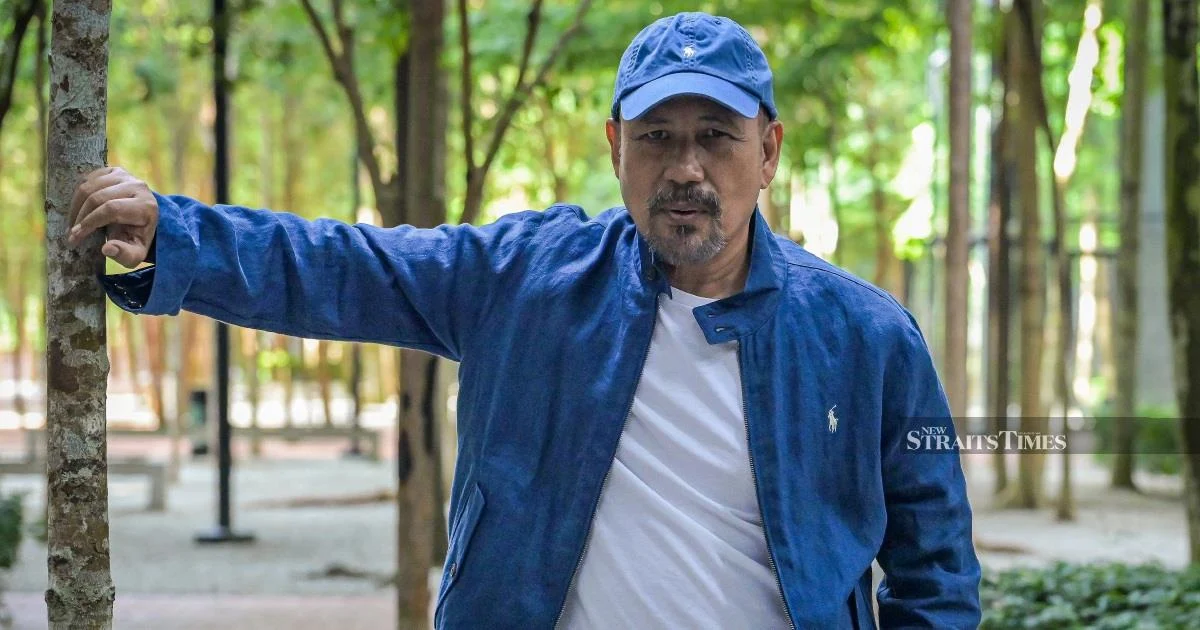
Malaysia's celebrated music icon Datuk M. Nasir has taken decisive legal action against MyTeksi Sdn Bhd, the operator of Grab's Malaysian services, demanding RM5 million in compensation for what he characterises as an infringement of his personal rights. The lawsuit centres on the alleged unauthorised commercial use of his name and reputation in connection with a beverage product's marketing campaign. Reached for comment in Petaling Jaya, the Grammy Award-nominated artist declined to elaborate extensively on the specifics of the dispute, choosing instead to underscore the fundamental principle at stake.
In a measured response to questions about his legal claim, M. Nasir emphasised that the protection of one's name and image represents a core personal entitlement that transcends mere commercial consideration. "This is my moral right," he stated, highlighting how the matter touches upon broader questions of consent, dignity, and the ownership of one's own identity in the marketplace. The phrasing reflects a distinction he wishes to draw between straightforward contractual disputes and what he perceives as a violation of fundamental principles governing how public figures' personas may be leveraged commercially.
The case gains significance within Malaysia's entertainment landscape, where questions of intellectual property, celebrity endorsement rights, and brand protection have grown increasingly complex. Historically, the country's approach to such matters has often lagged behind regional peers in establishing clear precedents. This lawsuit may therefore serve as a test case for how Malaysian courts interpret personality rights and the commercial exploitation of a person's name without explicit consent.
MyTeksi's connection to the Grab platform, which has become deeply embedded in Malaysian urban life as a dominant ride-hailing service, adds another dimension to the dispute. The company's expansion into ancillary business ventures, including beverage products, represents a common diversification strategy among tech platforms seeking new revenue streams. However, the alleged association of such products with prominent Malaysian personalities without formal agreement raises questions about due diligence procedures within large corporations operating multiple business lines.
The beverage product in question, though not extensively detailed in public statements, appears to have been marketed in a manner that leveraged M. Nasir's considerable cultural prestige without his approval or participation. For an artist of his stature—whose contributions to Malaysian popular music span multiple decades and include iconic performances and compositions—such unauthorised association could potentially cause reputational harm or damage brand relationships he has carefully cultivated throughout his career.
M. Nasir's decision to pursue this matter through legal channels rather than settle privately underscores the importance he attaches to establishing a clear precedent. The RM5 million quantum, while substantial, likely reflects both the commercial value of his name and the damages he believes have been incurred through the misappropriation. The amount also signals that he is not seeking token compensation but rather recognition of genuine harm to his interests.
From a broader perspective, this dispute illuminates the sometimes uncomfortable intersection between Malaysia's digital economy and traditional celebrity culture. As e-commerce platforms and ride-hailing companies aggressively pursue growth through diversified product offerings, the temptation to leverage associated personalities and cultural figures for marketing purposes becomes acute. Yet Malaysian law, particularly regarding personality rights and the right of publicity, remains less developed than in some comparable jurisdictions.
The case also reflects changing attitudes among Malaysian public figures regarding the protection of their personal brands. Increasingly, entertainers and celebrities are taking proactive stances against what they perceive as exploitative uses of their identities, rather than accepting such matters as inevitable costs of public prominence. M. Nasir's willingness to litigate suggests a determination to establish boundaries around how his name and reputation may be commercially deployed.
Legal experts have noted that Malaysia's framework for protecting personality rights typically relies on a combination of contract law, tort law, and consumer protection regulations, rather than a unified personality rights statute such as exists in some other jurisdictions. This fragmented approach can create ambiguities and uncertainties, making cases like M. Nasir's particularly important for establishing clearer interpretative guidelines.
The outcome of this lawsuit will likely reverberate through Malaysia's entertainment and digital commerce sectors. A judgment in favour of M. Nasir could establish firmer protections for celebrity names and images, encouraging entertainment personalities to take stronger positions against unauthorised commercial use. Conversely, a ruling against him might suggest that existing legal protections are insufficient, potentially prompting calls for legislative reform.
As the case proceeds through Malaysia's court system, both the music industry and the broader business community will be watching closely. For M. Nasir himself, the matter appears less about the financial recovery and more about asserting fundamental principles regarding personal dignity and the right to control one's own image and name in commercial contexts. This principled stance, articulated through his emphasis on "moral right," suggests that vindication in court would carry symbolic significance beyond the monetary award.

