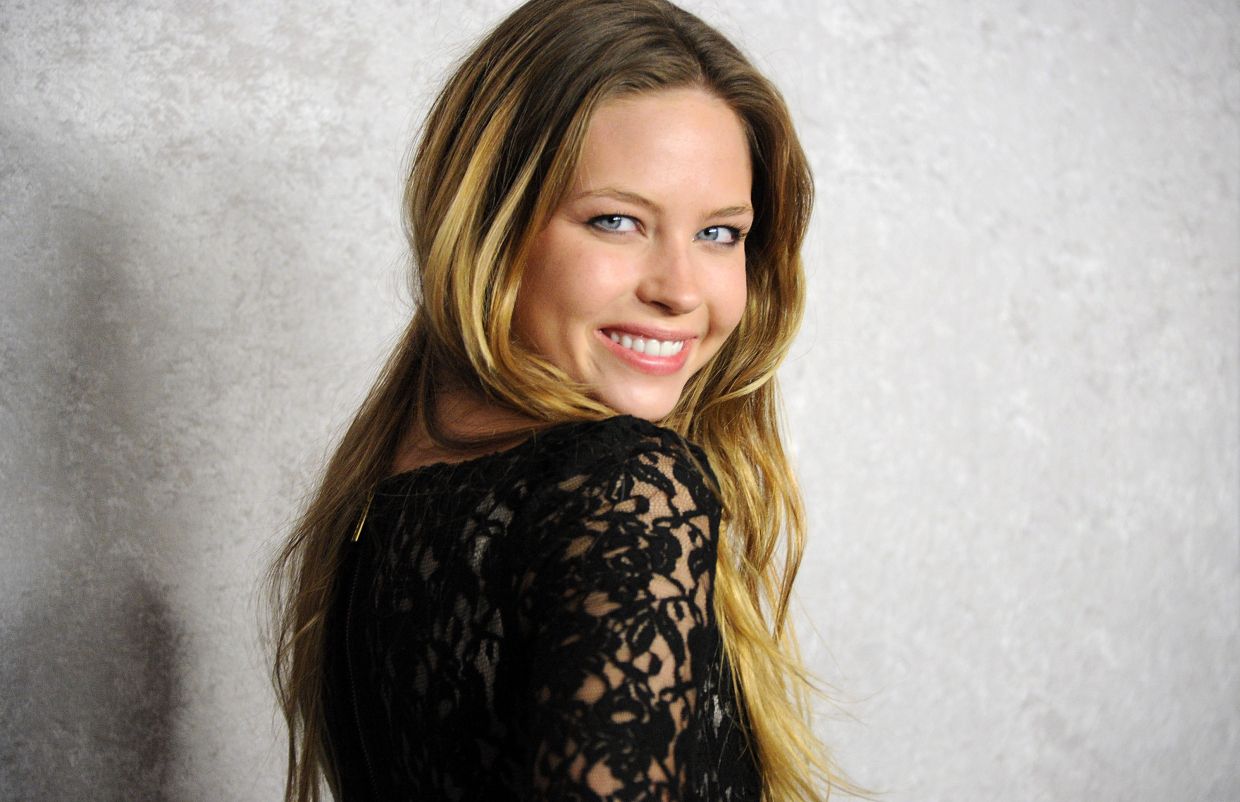
Daveigh Chase, the actress who provided the voice for Disney's beloved character Lilo in the animated hit Lilo & Stitch, has left behind an estate valued at roughly RM1.6 million despite spending her final years living without stable housing in Los Angeles. The revelation emerged through probate documents filed in Los Angeles Superior Court, where her mother, Cathy Chase, petitioned to become administrator of the estate earlier this month. A probate hearing is slated for August 12, with the court currently considering Cathy's request for a US$400,000 bond to facilitate the administration process.
Chase passed away on June 16 at a Los Angeles hospital at the age of 35. The medical examiner's report attributed her death primarily to acquired immunodeficiency syndrome, commonly known as AIDS, with mixed drug use identified as a contributing factor. Her father revealed to media outlets that Chase had been living on the streets in the period leading up to her death, residing not far from the very hospital where she ultimately passed away. This disclosure painted a tragic picture of how dramatically her circumstances had deteriorated from her earlier career success.
The staggering disconnect between her substantial financial assets and her homelessness in her final years raises difficult questions about wealth management, access to support systems, and the challenges faced by individuals struggling with addiction and health crises. Many questions remain unanswered about how someone with significant resources came to live without shelter, a situation not uncommon among individuals battling serious mental health and substance abuse issues who may lose access to their financial protections or become isolated from family support networks.
Chase's career trajectory from child star to relative obscurity illustrates the unpredictable nature of entertainment industry fame, particularly for those who achieved prominence at a young age. During the height of her career, she worked as an in-demand actress across multiple platforms, securing roles that positioned her among the industry's sought-after young talents. Her voice work for Disney's 2002 animated feature Lilo & Stitch became her most enduring legacy, with the character of Lilo resonating with audiences worldwide and contributing significantly to the franchise's long-term cultural impact.
However, Chase's professional momentum began to fade as she progressed into adulthood. By 2016, she had effectively withdrawn from the entertainment industry, stepping away from acting altogether as her final credited film roles were released that same year. The transition from child performer to adult actress has historically proven challenging for many young entertainers, with factors including changing audience preferences, the difficulty of reinventing public personas, and the psychological toll of early fame all contributing to career derailment for numerous individuals in the field.
Tragedy struck again in 2017 when Chase became entangled in a serious legal matter. She was arrested on suspicion of leaving the scene of an accident after a man was found dying outside a hospital. While authorities determined that Chase had not been directly involved in causing the man's death, she was wanted on an outstanding warrant at the time of the incident. This arrest marked another turning point in her life, further complicating an already difficult personal situation and potentially accelerating her descent into homelessness and isolation.
For Malaysian and regional audiences, Chase's story offers a sobering reminder of the precarious circumstances that can befall even those who achieved significant financial success and public recognition. The case illustrates how quickly circumstances can deteriorate for individuals lacking adequate support systems or struggling with untreated health conditions and substance abuse. In Southeast Asia, where entertainment industries are booming and child performers increasingly visible across film, television, and digital platforms, Chase's trajectory provides cautionary context about the importance of protective frameworks for young entertainers and mental health support infrastructure.
The probate process now underway will determine how Chase's accumulated assets are distributed and managed. The RM1.6 million estate represents financial resources that, had they been accessible or properly managed during her lifetime, might have provided her with housing, healthcare, and treatment options. The case underscores the complex relationship between financial wealth and actual wellbeing, demonstrating that substantial assets do not automatically translate into improved life circumstances when individuals face addiction, health crises, or social disconnection.
Chase's story has reignited broader conversations within the entertainment industry about duty of care toward former child performers, the long-term psychological impacts of early fame, and systemic failures in addressing homelessness among vulnerable populations including those with medical conditions and substance abuse disorders. The estate proceedings will likely serve as a final institutional acknowledgment of her existence and contributions, even as they highlight the tragic gap between her professional achievements and the circumstances of her death.

