A court in Laos has filed charges against a distillery owner linked to the deaths of six foreign tourists who consumed contaminated alcohol at a backpacker hostel in Vang Vieng last November, marking the first legal action in a case that has drawn condemnation from multiple governments and grieving families across Europe, Asia, and beyond. Denmark's foreign ministry announced on Friday that the charges carry potential penalties of three months to four years imprisonment and fines upon conviction, though officials in Copenhagen and abroad have expressed deep frustration that the indictment focuses on relatively minor violations rather than more serious offences that might better reflect the scope of the tragedy.
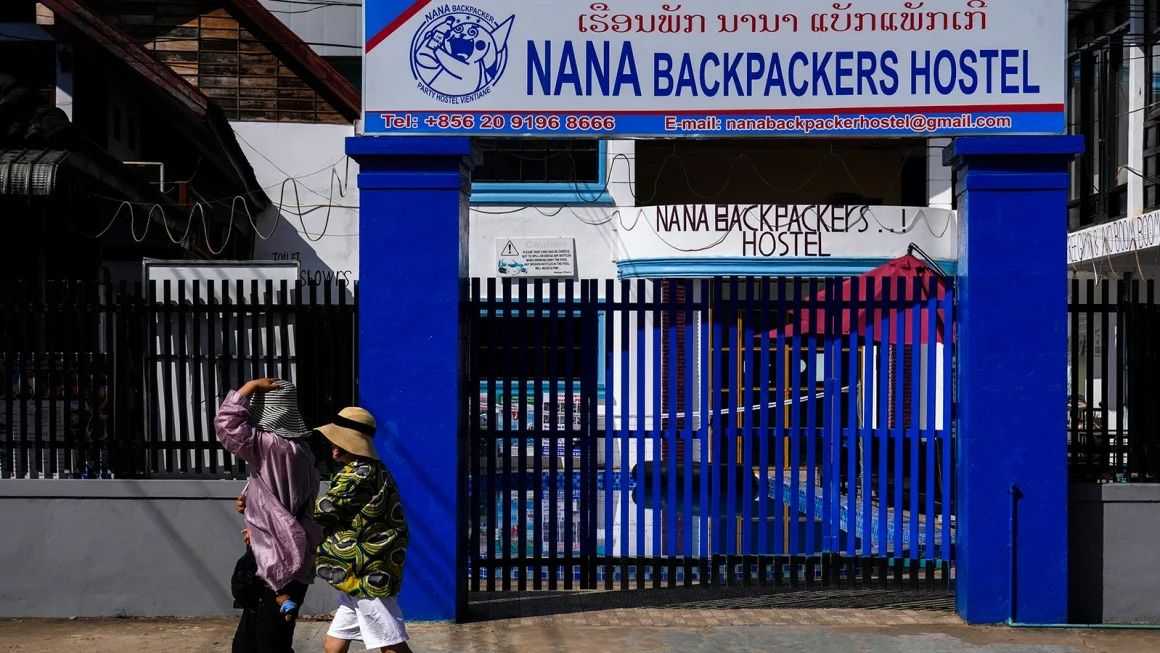
The deceased included two Danish nationals, Anne-Sofie Orkild Coyman, 20, and Freja Vennervald Sorensen, 21, alongside Australian teenagers Bianca Jones and Holly Morton-Bowles, both 19, British lawyer Simone White, 28, and American James Louis Hutson, 57. All six died after ingesting tainted liquor at the Nana Backpacker Hostel, with investigations pointing to methanol contamination as the cause. The victims represent the tragic intersection of youthful adventure travel and a persistent global hazard that claim lives with alarming regularity, particularly in regions where alcohol regulation remains weak and illicit production widespread.
The formal charges brought against the distillery owner address selling food harmful to health and operating an illegal business, according to statements from Lao authorities conveyed through diplomatic channels. However, the decision to pursue these relatively minor charges has ignited criticism from the families of the deceased and the governments of multiple nations, who argue that the indictment does not adequately capture the seriousness of deaths that resulted from contaminated alcohol. Danish Foreign Minister Lars Løkke Rasmussen declared himself deeply disappointed by the framing of the case, acknowledging the technical complexities of meeting legal thresholds for more severe charges such as negligent homicide whilst contending that the leniency of the current indictment sits uneasily with the magnitude of loss involved.
Notably, the Lao judicial system has left the case formally open for fifteen years, preserving the possibility of bringing upgraded charges for more serious offences should investigators gather sufficient evidence. This structural provision offers a potential pathway to justice that reflects graver culpability, yet provides little immediate solace to families who have struggled for answers and accountability since the deaths occurred in November 2024. The statement from the Danish foreign ministry did not clarify whether the charges apply to all six victims or only some of them, leaving additional ambiguity about the scope of legal responsibility being assigned.
Australia's government has taken an especially assertive diplomatic stance, with Foreign Minister Penny Wong describing herself as deeply frustrated and bitterly disappointed by Laos's approach to prosecution. Prime Minister Anthony Albanese dispatched an envoy to Vientiane specifically to convey objections and reinforce expectations for a more rigorous investigation. Australian officials also summoned Laos's ambassador to Canberra, signalling the gravity with which Canberra views both the deaths and the apparent inadequacy of the legal response. This escalation reflects Australia's substantial backpacker population in Southeast Asia and the particular vulnerability of young travellers to safety risks in regions where regulatory oversight may be limited.
The families of the Australian victims held a news conference to voice their anguish before the charges were formally announced, with Bianca Jones's mother Michelle stating that the apparent leniency made it seem as though the young people's lives held little value. She described the teenagers as simply seeking adventure and participating in a rite of passage undertaken by countless young people, making the outcome particularly devastating for those left behind. Shaun Bowles, father of Holly Morton-Bowles, characterised the anticipated legal development as mind-boggling, warning that potential tourists might reconsider visits to Laos based on perceptions that authorities undervalue visitor safety and have sought to obscure rather than illuminate what transpired.
The incident occurred at a hostel where the victims had consumed complimentary shots of Laotian vodka before proceeding to other venues. When the Australian teenagers failed to check out as scheduled, hostel staff discovered them seriously ill in their room. They were evacuated to hospitals across the border in Thailand, where they ultimately succumbed to their injuries. The circumstances surrounding how methanol contamination occurred remain incompletely explained, though investigations have pointed to both deliberate adulteration and inadvertent contamination through poor distillation practices as possible explanations.
Methanol poisoning represents a global public health concern extending well beyond tourism contexts, affecting local populations in countries where affordability and regulation create conditions favouring illicit alcohol production. Medical assistance organisations such as Doctors Without Borders have documented that Indonesia, India, and Russia experience particularly high concentrations of suspected methanol poisoning cases, underscoring how this hazard claims far more local lives than it does foreign travellers. The substance is occasionally added to mixed drinks at disreputable establishments as a cheaper substitute for ethanol, whilst also occurring naturally as a byproduct of inadequately distilled home-brew liquor that sometimes infiltrates commercial distribution chains.
The Danish parents of Freja Vennervald Sorensen have expressed additional concerns regarding investigative procedures, stating they were kept largely uninformed throughout the process and noting that no autopsy was performed on their daughter. Her death certificate attributed death to cardiac arrest characterised as a natural cause, a designation that potentially obscures the underlying methanol poisoning. Her parents have indicated their intention to raise public awareness of methanol poisoning's dangers, particularly given the widespread perception among travellers that such contamination poses limited risk in modern tourism contexts.
Vang Vieng holds particular significance within Southeast Asia's backpacker circuit, attracting young travellers from around the world seeking adventure sports and social experiences in a landscape of striking natural beauty. The hostel incident threatens to reshape perceptions of safety in a destination that has become synonymous with youthful travel, potentially deterring visitors who may now question whether local authorities adequately protect foreign visitors. The reputational implications extend beyond Laos itself, as younger travellers across the region reassess risk profiles associated with budget accommodation and informal drinking establishments.
Laos, as a one-party communist state maintaining tight information control, has limited official comment on the case through conventional diplomatic channels. The ministry requested that international media coverage of proceedings be restricted to local outlets and embassies directly representing affected countries, a stance that reflects broader tensions between transparency demands from democratic nations and Vientiane's preference for managing information flows. The Australian and British embassies were observed departing the Ministry of Public Security building following the charge announcement, confirming diplomatic engagement despite restricted public access to proceedings.
The divergence between the charges filed and international expectations for accountability highlights broader questions about the adequacy of legal frameworks in addressing tourist safety failures and the role that diplomatic pressure might play in securing more substantive prosecution. For Malaysian readers and Southeast Asian travel communities, the case underscores the importance of exercising caution regarding alcohol consumption in informal settings and the risks posed by unregulated distillation operations that may affect both locals and visitors indiscriminately. The coming months will reveal whether upgraded charges emerge as the investigation proceeds and whether diplomatic pressure from multiple nations influences Laos's approach to pursuing more serious charges that might better reflect the gravity of six preventable deaths.

