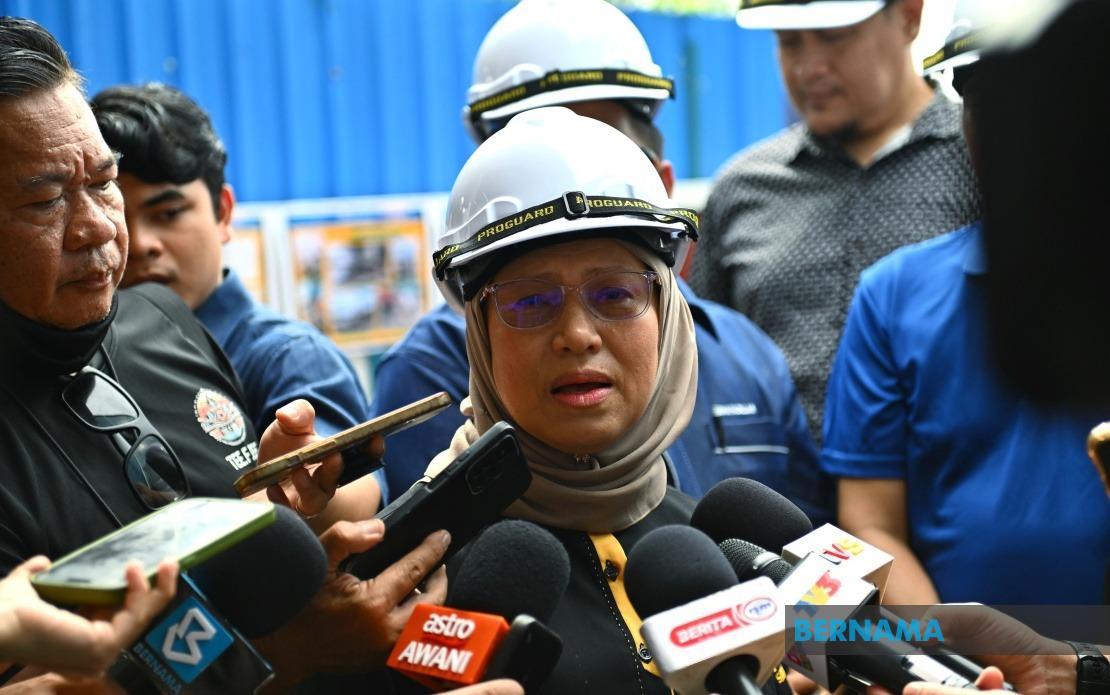
The Social Welfare Department has instructed a Langkawi kindergarten implicated in child neglect allegations to temporarily suspend all operations while police complete their formal investigation into the matter. The directive comes as authorities pursue a case under Section 31(1) of the Child Act 2001, with Women, Family and Community Development Minister Datuk Seri Nancy Shukri confirming the decision after visiting an infrastructure project in Kuching on July 18.
Although the kindergarten falls primarily under the Education Ministry's regulatory purview, the Social Welfare Department has assumed an active protective role alongside law enforcement and district education authorities. The collaborative investigation encompasses the collection of material evidence, examination of facility records, and formal interviews with relevant witnesses to establish the veracity of the allegations now under official scrutiny.
The complaints surfaced when a former kindergarten educator filed a report detailing practices she characterised as inappropriate and potentially harmful to children in the facility's care. These allegations encompassed troubling claims concerning sleeping arrangements, with children reportedly required to rest on bare floors without bedding, alongside assertions regarding unlawful confinement of minors in toilet facilities—allegations that have prompted swift intervention from multiple government departments.
Langkawi district police chief ACP Khairul Azhar Nuruddin previously disclosed that investigators were methodically examining closed-circuit television recordings from the premises and compiling witness statements to determine whether the reported incidents constituted substantive breaches of child welfare standards. The investigative process represents a standard procedural approach designed to gather objective evidence before drawing formal conclusions about institutional practices.
The kindergarten's operators have received formal warnings regarding their obligations under child protection regulations, with particular emphasis placed on safeguarding requirements related to the physical safety, emotional wellbeing, and general welfare of enrolled children. Officials have underscored that any discovery of regulatory violations will trigger appropriate legal consequences, a message clearly communicated to management during the advisory process.
Minister Shukri additionally issued guidance to parents and guardians, advising them to cooperate fully with police directives and maintain heightened vigilance regarding their children's safety during this investigative period. This parental advisory reflects broader concerns about establishing clear communication channels between authorities and families affected by the allegations, ensuring transparency throughout the investigation's duration.
The incident highlights persistent vulnerabilities within Malaysia's early childhood education sector, where oversight mechanisms and enforcement of safety standards remain subjects of ongoing scrutiny and improvement. While kindergartens operate across the country serving hundreds of thousands of young learners, institutional failures in individual facilities underscore the necessity for robust monitoring systems and responsive regulatory frameworks capable of identifying and addressing welfare concerns before they escalate.
The situation also raises questions about reporting pathways and whistleblower protections within educational institutions. The former teacher's decision to file an official complaint represents a critical mechanism through which concerning practices surface, yet the broader system requires examination regarding how such reports are processed, documented, and acted upon at institutional and supervisory levels.
Child protection agencies across Southeast Asia have increasingly recognised the importance of coordinated interagency responses to suspected abuse or neglect allegations. Malaysia's approach in this instance, involving simultaneous engagement by the Social Welfare Department, police, Education Ministry, and district authorities, reflects international best practices designed to protect vulnerable populations while maintaining investigative integrity.
The temporary closure represents a precautionary measure intended to ensure children's immediate safety while investigations proceed, preventing any potential continuation of practices that may contravene established welfare standards. This protective action demonstrates the government's commitment to prioritising children's wellbeing over institutional convenience or operational continuity when credible concerns emerge.
Parents seeking alternative childcare arrangements during the closure period may face logistical challenges, particularly in Langkawi where kindergarten options may be comparatively limited relative to larger urban centres. This practical dimension underscores the broader consequences of institutional failures, extending beyond the facility itself to affect family arrangements and community stability.
The investigation's outcomes will likely carry implications extending beyond the individual kindergarten, potentially informing future policy refinements regarding licensing procedures, inspection frequency, staff training requirements, and reporting mechanisms across Malaysia's early childhood education sector. Such systemic improvements emerge regularly from scrutiny of individual institutional failures, creating opportunities to strengthen protections across the board.

