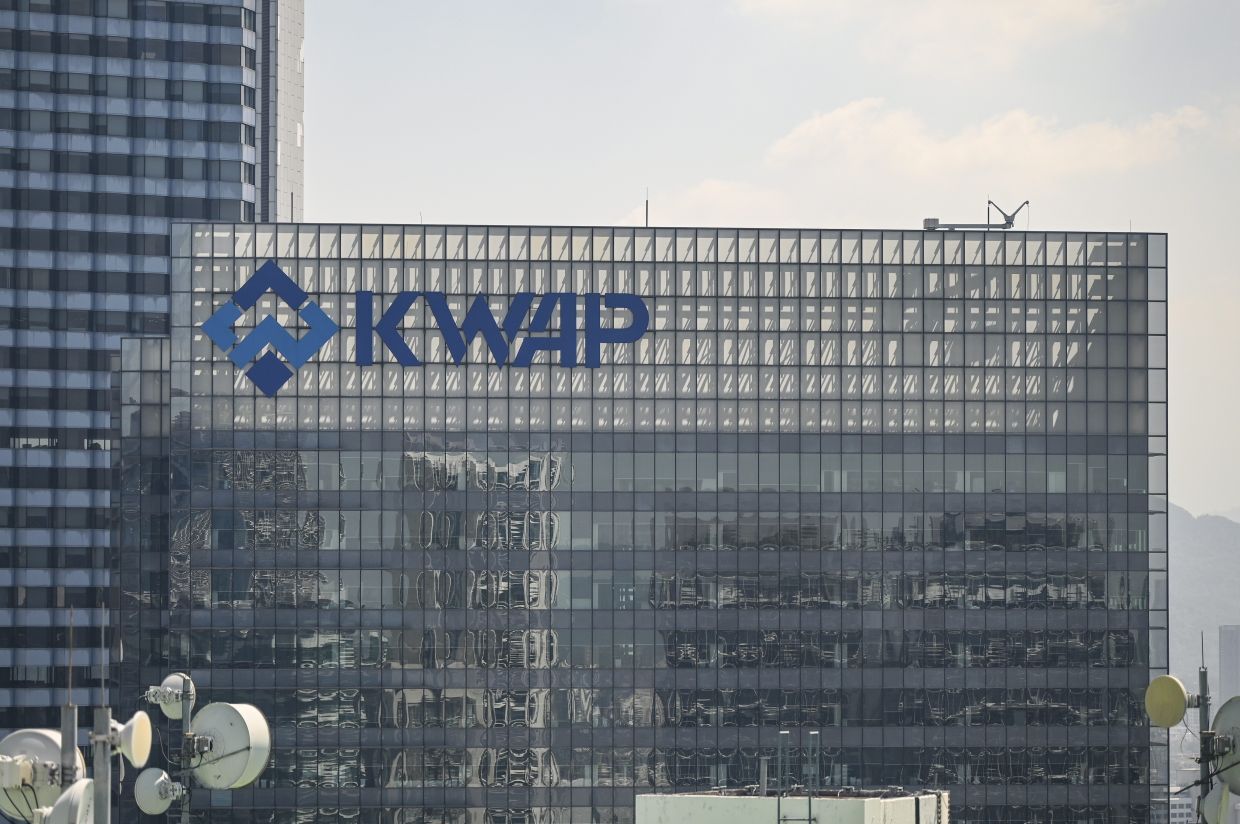
Malaysia's Retirement Fund (Incorporated), known as KWAP, has reaffirmed its determination to explore every possible channel for recovering the bulk of its RM163.4 million stake in eFishery, the Indonesian aquaculture technology company now mired in a sprawling financial scandal. The fund, which held approximately 2.51 per cent of eFishery's total equity, has initiated a comprehensive response framework following the revelation of deliberate misconduct at the company's highest levels, underscoring the operational and reputational risks that plague cross-border institutional investment in the Southeast Asian startup ecosystem.
The case gained prominence when eFishery co-founder and former chief executive Gibran Huzaifah received a nine-year prison sentence from the Bandung District Court in late April 2026 following convictions for embezzlement and money laundering. This development crystallised the scope of what Malaysia's Ministry of Finance subsequently confirmed was a meticulously orchestrated deception operation, in which eFishery's management systematically manipulated financial statements to present false performance metrics to its investor base. For KWAP, whose mandate requires prudent stewardship of public sector pension obligations worth RM195.26 billion under management, the fraud represented not merely a financial setback but a breach of fiduciary trust that demanded transparent accountability to the Malaysian public servants whose retirement security depends upon the fund's performance.
While KWAP functioned as a minority shareholder within eFishery's cap table, the fund was far from alone in absorbing losses from the deception. Major institutional investors globally held controlling positions and experienced identical exposure to the fraudulent financial reporting, a circumstance that has created opportunities for coordinated investor action and recovery strategies. The involvement of seasoned international capital managers alongside KWAP suggests that the fraud was sufficiently sophisticated to circumvent multiple layers of due diligence and ongoing monitoring protocols that typically characterise professional investment practice, raising questions about information asymmetries and verification standards within venture ecosystems spanning multiple jurisdictions.
In response to the crisis, KWAP initiated an internal investigation that examined not only the factual circumstances surrounding the eFishery investment but also the fund's own investment processes, monitoring arrangements, and the quality of information available throughout the investment holding period. This introspective approach reflects recognition that institutional investors cannot rely solely upon portfolio company management representations; rather, active oversight and independent verification mechanisms form essential components of prudent fund management. The internal governance reviews undertaken by KWAP have generated organisational learning that the fund now intends to embed across its broader investment operations, particularly within its private markets portfolio where information availability and monitoring complexity traditionally exceed those present in public equity markets.
KWAP has announced a series of structural enhancements designed to reduce vulnerability to similar fraudulent schemes in future private markets investments. These measures encompass deliberate portfolio diversification strategies that limit exposure to any single investment or sector, a preference for investing alongside experienced fund managers and strategic partners whose reputation and capital are similarly at risk, more intensive post-investment monitoring protocols, and heightened scrutiny of material developments within portfolio company operations. The approach acknowledges that fraud prevention requires sustained vigilance rather than point-in-time verification, and that aligning investor interests through co-investment arrangements creates mutual incentives for rigorous oversight that individual investors might struggle to maintain independently.
The financial impact on KWAP must be contextualised within the fund's overall performance and asset base. For the financial year ended December 31, 2025, KWAP recorded gross investment income totalling RM8.33 billion, with total funds under management of RM195.26 billion spanning diversified asset classes, sectors, and geographic markets. While the RM163.4 million eFishery loss represents a material write-down affecting returns, the fund's scale and diversification mean the impact on aggregate performance remains manageable relative to the total portfolio, though the reputational dimension and governance implications extend considerably beyond the numerical loss.
The recovery mechanisms now being pursued operate across multiple channels. Legal action initiated by the investor consortium in Indonesian courts seeks to pursue the perpetrators of the fraud, though collection remains uncertain given the criminal sanctions already imposed on key figures. Simultaneously, KWAP and fellow investors are pursuing fund recovery efforts that may involve asset recovery procedures, engagement with Indonesian regulatory authorities, and coordination with other defrauded parties to maximize collective leverage. These mechanisms operate against a backdrop of jurisdictional complexity, as recovery from an Indonesian company operating within Indonesian legal frameworks presents challenges for Malaysian institutional investors accustomed to the domestic regulatory environment.
For Malaysian observers, the eFishery episode carries broader implications for the country's growing appetite for Southeast Asian venture capital investments. As Malaysian institutions expand beyond traditional asset classes into private equity and venture funding, exposure to fraud risk and operational governance challenges in emerging startup ecosystems increases proportionally. The eFishery case demonstrates that even major global institutional investors with sophisticated due diligence capabilities can be deceived by well-executed financial manipulation, suggesting that Malaysian investors must adopt similarly rigorous verification standards and recognise that geographic and sectoral diversification alone cannot substitute for active monitoring and governance engagement.
The Ministry of Finance's subsequent acknowledgment that KWAP was deceived through a well-planned fraud carries institutional significance beyond KWAP itself. Public pension funds occupy a unique position within the financial system, holding in trust the retirement security of civil servants and public sector workers whose livelihood depends upon prudent fund management. The ministry's transparency in acknowledging the fraud and the coordinated investor response demonstrates commitment to accountability, though it simultaneously highlights the reality that even government-linked funds face vulnerability to sophisticated schemes when operating in evolving market environments with information asymmetries and limited regulatory oversight.
Looking forward, KWAP's experience will likely influence how Malaysian institutional investors approach venture capital opportunities across Southeast Asia. The fund's willingness to conduct transparent internal reviews, implement structural governance improvements, and coordinate with other investors suggests an institutional maturity oriented toward long-term reputation management and systematic learning from adverse events. However, the eFishery case also underscores the inherent risks present in venture investing across national borders where regulatory standards, corporate governance practices, and fraud detection mechanisms may diverge significantly from Malaysian norms. As KWAP pursues recovery through available channels while simultaneously rebuilding investor confidence through enhanced controls, the fund's experience will serve as an instructive precedent for how Malaysian institutions can navigate the tensions between growth-oriented investment strategies and the fiduciary obligations that constrain risk appetite.

