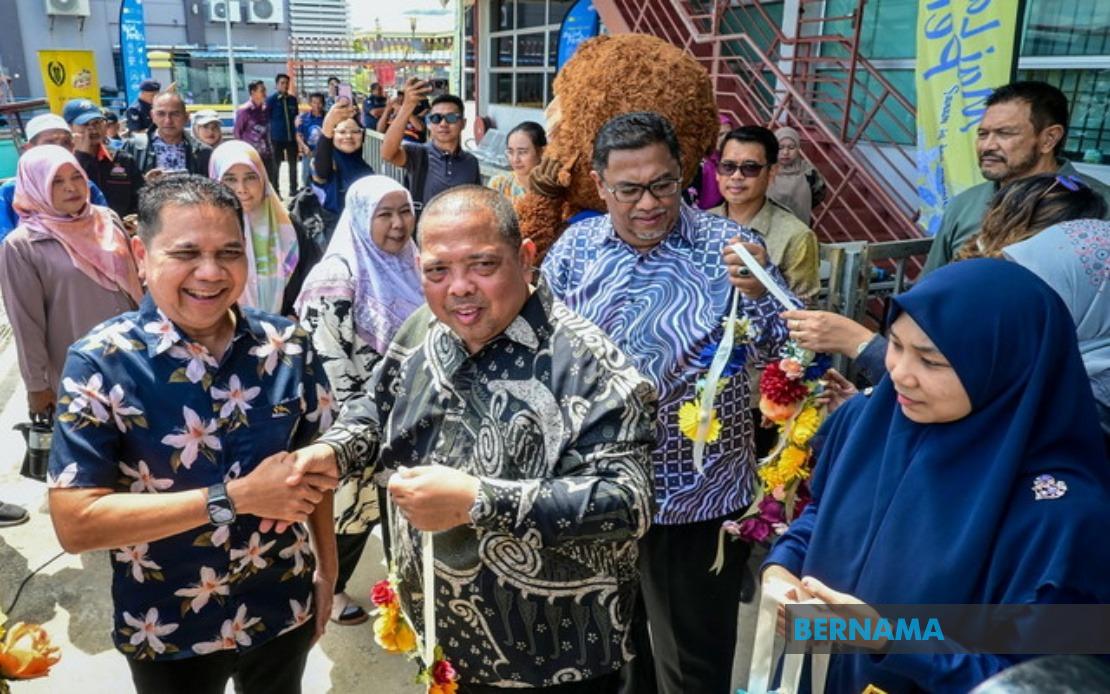
The long-awaited resumption of the Kuala Perlis-Satun ferry service signals fresh momentum for Perlis's tourism ambitions, with state leadership confident the sea crossing will unlock new economic opportunities along Malaysia's northern coast. Menteri Besar Abu Bakar Hamzah welcomed the development at the Kuala Perlis Ferry Terminal, where a delegation from Satun province in Thailand arrived to commemorate the restoration of a cross-border link that had remained dormant since pandemic-related shutdowns forced its suspension.
Perlis tourism officials are targeting between 5.5 million and 6 million visitor arrivals during the current year, a projection anchored partly on expectations that the ferry corridor will draw increased traffic from both Malaysian and Thai nationals seeking convenient, scenic alternatives to overland routes. The roughly 40-minute journey across the shallow waters separating Kuala Perlis and Satun offers tourists a distinctly different experience compared to conventional border crossings, complete with coastal vistas that underscore the region's natural appeal. For Thai visitors in particular, the ferry provides quick access to Perlis's retail and commercial hubs, while Malaysian travellers gain a more leisurely gateway into Satun's attractions.
The economic calculus extends beyond tourism receipts alone. Abu Bakar emphasized that the ferry's reopening would generate broader spillover benefits for local communities dependent on hospitality, food services, retail, and transport-related sectors. Each tourist journey translates into purchases at port facilities, nearby shops, and waterfront establishments—a multiplier effect that authorities believe will meaningfully reinforce Perlis's revenue base. The initiative also carries diplomatic significance, strengthening the practical ties between Malaysia and Thailand at the grassroots level, where cross-border commerce and people-to-people exchange constitute tangible expressions of regional integration.
One immediate operational benefit lies in traffic management. The Padang Besar border crossing, the primary overland gateway between the two nations in this region, frequently experiences congestion during school holidays and festive periods when Malaysian and Thai families transit in large numbers. By offering a maritime alternative, the Kuala Perlis-Satun route distributes traveller flows more evenly, reducing bottlenecks at land borders and improving overall passage times. This relief is particularly valuable during peak seasons when delays can frustrate both holidaymakers and commercial operators reliant on predictable scheduling.
However, immediate operational challenges lurk beneath the surface. Kuala Perlis harbour has long battled constraints imposed by shallow waters and fluctuating tidal levels that complicate vessel manoeuvring and berthing operations. To address this persistent friction, the Perlis state government is planning to install a floating pontoon—a flexible infrastructure solution that rises and falls with water levels, thereby accommodating the terminal's natural rhythm without requiring costly dredging or permanent structural modifications. This pragmatic approach reflects recognition that the shallow-water environment is unlikely to change dramatically, making adaptive infrastructure more realistic than extensive environmental engineering.
Looking beyond immediate ferry operations, state planners are pursuing more ambitious infrastructure visions. Officials are actively exploring the possibility of reactivating the Kuala Perlis-Satun Roll-on/Roll-off service, which would permit vehicles to drive directly onto and off vessel decks, eliminating the need to dock at conventional ports and dramatically reducing transit times for lorries, buses, and private cars. This modal shift would be particularly valuable for freight operators and commercial transporters seeking to optimize supply chain efficiency across the Malaysia-Thailand border.
The most transformative proposal involves a proposed RM500 million bridge project spanning approximately two kilometres into the sea, intended to surmount the persistent shallow navigation channel problem that has constrained maritime traffic in the region for years. Unlike the floating pontoon, which addresses immediate berthing difficulties, this megaproject would fundamentally restructure the physical relationship between Kuala Perlis and Satun, creating permanent fixed infrastructure capable of handling year-round traffic regardless of seasonal variations in water depth. The bridge would represent a substantial commitment of capital and coordination between Malaysian and Thai authorities, signalling long-term strategic confidence in the viability of the cross-border corridor.
State officials are reportedly in advanced discussions with multiple investors regarding the bridge proposal, indicating that funding mechanisms and partnership structures are being actively negotiated. Such mega-infrastructure ventures typically require creative financing arrangements combining government budgets, private sector participation, and possibly development bank involvement. The RM500 million cost places it squarely in the category of regionally significant infrastructure capable of attracting institutional interest and potentially generating returns through tolls or concession arrangements.
The ferry service's revival arrives at a moment of broader regional repositioning in Southeast Asia. As ASEAN nations continue integrating their economies and enhancing cross-border mobility, initiatives that reduce friction and expand connectivity gain strategic importance. The Kuala Perlis-Satun route represents precisely this type of facilitative investment—relatively modest in capital terms compared to the bridge project, yet immediately impactful in expanding bilateral interaction and trade. For Perlis specifically, a state often overshadowed in Malaysia's tourism conversation by better-known destinations, the ferry provides a distinct competitive advantage and a genuine point of differentiation.
The timing also reflects post-pandemic recovery dynamics affecting tourism across Southeast Asia. Visitor confidence is returning as travel restrictions ease and cross-border movement becomes normalized again. Perlis, previously dependent on a steady but modest stream of regional visitors, now positions itself to capture additional flows from Thailand—a source market with strong purchasing power and demonstrated interest in cross-border shopping and leisure experiences. The ferry essentially democratizes access to Perlis for Thai tourists who might otherwise find overland routes less convenient or appealing.
Looking forward, success hinges on consistent service delivery, competitive pricing, and effective marketing to both Malaysian and Thai source markets. The state government's willingness to invest in complementary infrastructure—from floating pontoons to the ambitious bridge concept—signals serious commitment to converting this opportunity into sustained economic activity. As regional connectivity continues reshaping Southeast Asian tourism patterns, Perlis's strategic position at the maritime crossroads between Malaysia and Thailand offers genuine potential for meaningful transformation.

