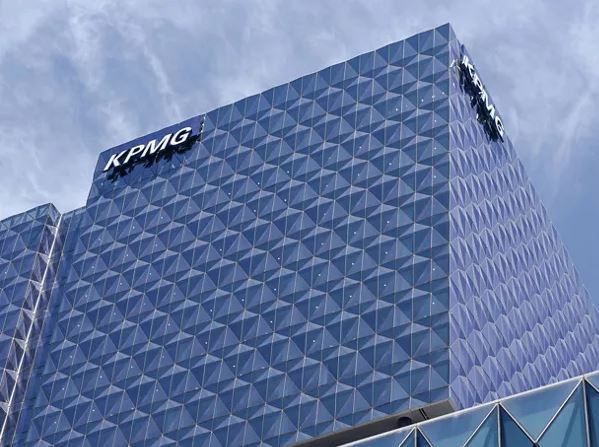
KPMG Australia has appointed Michael Ebeid as its first independent chairman in an attempt to restore public confidence following a damaging scandal over the mishandling of confidential client information. The announcement, made on Thursday, represents a significant structural change for the embattled professional services firm, yet has immediately sparked concern among lawmakers who question whether the appointment truly addresses the underlying governance failures that triggered the crisis.
The appointment forms part of a broader management overhaul at KPMG Australia announced just a week earlier, when the firm disclosed that its chairman and two senior partners would depart as part of a comprehensive governance restructuring. The departures followed an earlier round of executive resignations in May that saw the CEO and audit leader step down. These cascading resignations underscore the depth of the institutional damage caused by the scandal, which has exposed serious breaches in how the firm handled confidential client data and internal whistleblower complaints.
Ebeid, who previously led the Australian public service broadcaster SBS, brings experience in managing large organisations but carries a complicated history with KPMG itself. He was initially appointed as an independent adviser to KPMG's national board in 2024 before moving to the Asia-Pacific board in 2025. Critically, he was also one of several current and former employees who testified before a parliamentary committee investigating the scandal last month, placing him at the centre of the controversy from multiple angles.
In a statement outlining his vision for the role, Ebeid emphasised his commitment to rebuilding institutional trust and driving cultural transformation. He pledged to strengthen independent oversight, embed integrity into the firm's operations, and implement the governance and cultural reforms necessary to restore confidence among clients and regulators. He also indicated that KPMG would accelerate the process of recruiting a permanent CEO, with the board expected to announce a successor before the end of July.
However, the appointment has collided with emerging evidence of Ebeid's own prior views on the scandal. Following his appointment announcement, the parliamentary committee released internal email correspondence involving Ebeid that has become deeply problematic. In communications sent after Labor senator Deborah O'Neill publicly raised the whistleblower allegations in March, Ebeid criticised the senator's parliamentary intervention as inappropriate and unfair, and disputed several of her factual claims about the timeline of events.
The original scandal centred on allegations that KPMG staff had misused confidential board papers belonging to real estate company Lendlease to support the firm's bids for major audit contracts. A former senior executive, acting as a whistleblower, had raised these concerns internally in 2024 before escalating the matter to Senator O'Neill, who used parliamentary privilege to publicly expose the issue in March. KPMG subsequently admitted to mishandling the whistleblower's complaint and initiated a fourth investigation after three previous internal inquiries failed to uncover wrongdoing.
Barbara Pocock, a Greens senator serving on the parliamentary committee, has been vociferous in her criticism of Ebeid's appointment, characterising it as a clear conflict of interest that "doesn't pass any ethics test". Pocock argues that the released email correspondence demonstrates that Ebeid possesses "deep knowledge and pre-formed views" about the events and allegations at KPMG, raising fundamental questions about his capacity to serve as an impartial chairman. She contends that his appointment reflects and perpetuates the embedded cultural problems that generated the scandal in the first place, rather than breaking with them.
Pocock's assessment points to a broader institutional concern: that promoting someone from within the existing KPMG ecosystem, regardless of formal independence, may not constitute genuine reform if that individual has already formed opinions aligned with the firm's institutional perspective. The email exchanges suggesting Ebeid's scepticism toward the whistleblower's account create an optics problem that undermines the credibility of the independence label attached to his new role.
For Malaysian and regional readers, the KPMG Australia scandal carries important implications. The Big Four accounting firms operate globally and maintain substantial operations throughout Southeast Asia, including Malaysia. Governance failures and ethical breaches at international firms have cascading effects across their networks. The Australian case demonstrates how professional service firms can struggle to implement genuine accountability, with appointment decisions that prioritise structural change over substantive cultural reform.
The timing of Ebeid's appointment is particularly awkward, arriving just one day after Australia's center-left Labor government announced it was considering structural remedies including the possible breakup of the Big Four accounting firms in response to repeated scandals in the sector. This regulatory pressure suggests that cosmetic management changes may no longer satisfy policymakers or the public, particularly when those changes involve figures already implicated in the governance problems they are meant to reform.
The unfolding situation at KPMG Australia raises critical questions about how large professional services firms can genuinely reset their cultures and governance structures when promotion and reform decisions continue to be made within existing power networks. The parliamentary committee's decision to release the email correspondence demonstrates that legislative scrutiny of such decisions is intensifying, a trend that may influence expectations in other jurisdictions including Malaysia, where professional services firms face their own evolving regulatory environments and stakeholder expectations around corporate governance and ethical conduct.

