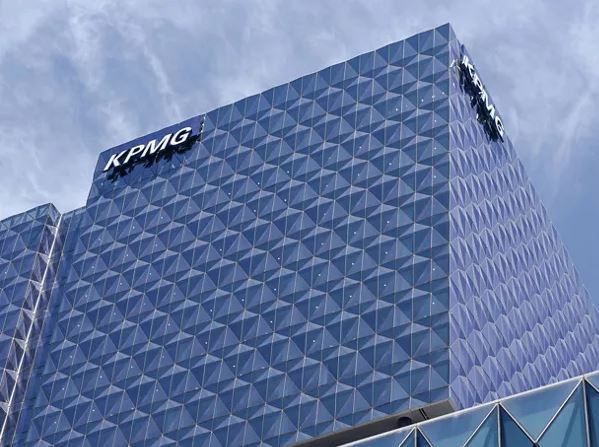
The leadership crisis at KPMG Australia has deepened significantly with the resignation of Chairman Martin Sheppard alongside audit partners Paul Rogers and Eileen Hoggett, marking a major escalation in the firm's ongoing misconduct scandal. These departures follow the earlier exits of the firm's chief executive officer and head of audit, signalling widespread structural problems that demanded immediate intervention at the highest governance levels. The firm announced the resignations on Tuesday, acknowledging that the situation had spiralled beyond its ability to manage without fundamental leadership changes.
At the centre of the controversy lies a whistleblower's allegation that KPMG improperly utilised confidential board materials obtained from property developer Lendlease to strengthen bids for lucrative audit contracts. This practice, if substantiated, would represent a serious breach of client confidentiality and professional ethics standards that underpin the auditing profession globally. The scandal became public in March when the whistleblower's claims surfaced, triggering intense scrutiny from regulators, clients, and the broader professional community who depend on auditors to maintain strict information security protocols.
Rogers and Hoggett were specifically identified by the whistleblower as the lead partners overseeing the Lendlease audit team during the period when the alleged breaches occurred. Their direct involvement in the questionable conduct made their continued presence at the partnership untenable, particularly given the reputational damage already inflicted on the firm. Both individuals now face formal investigation by Australia's corporate regulator, the Australian Securities and Investments Commission, which has the authority to pursue disciplinary action and potentially refer cases for criminal prosecution.
Interim Chief Executive Officer Stan Stavros issued a statement emphasising that these leadership changes were both essential and urgent, reflecting the severity of the situation facing the organisation. Stavros acknowledged explicitly that KPMG Australia had failed to uphold professional standards expected within the audit industry, effectively admitting institutional failure across multiple levels. His remarks recognised that the fallout extended far beyond reputational harm, affecting the whistleblower who had risked their career to expose misconduct, employees working for a firm now tarnished by scandal, clients who had entrusted confidential information to the organisation, and the broader Australian business community that depends on reliable audit practices.
The Lendlease case exemplifies a troubling pattern where auditors may face incentives to misuse privileged information gleaned from client engagements. Real estate and construction companies like Lendlease frequently undergo multiple audit tender processes as they grow and their governance structures evolve. When audit firms have access to confidential board materials during existing engagements, the temptation to leverage that information to win additional work creates obvious conflicts of interest. The whistleblower's allegations suggest that KPMG Australia failed to erect adequate barriers between personnel handling existing audit relationships and those responsible for bidding on new contracts.
For Malaysian readers and Southeast Asian businesses, this scandal carries particular significance as many regional companies engage international audit firms for compliance and stakeholder reporting. The Lendlease case demonstrates that even globally respected firms operate under governance pressures that can compromise ethical standards. Companies headquartered in Southeast Asia that outsource audit functions to international practices need assurance that their confidential information will remain protected throughout the engagement lifecycle. This incident should prompt Malaysian business leaders to scrutinise audit firm governance structures, independence safeguards, and whistleblower protection mechanisms when selecting service providers.
KPMG's response to the crisis involves appointing a new independent chairman and recruiting independent board members to strengthen governance architecture within its Australian operations. These structural reforms aim to rebuild stakeholder confidence by introducing oversight mechanisms insulated from partnership self-interest. However, structural change alone cannot address the underlying culture that permitted such misconduct to occur across multiple senior professionals simultaneously. The firm must undertake deeper cultural transformation to embed ethics and compliance throughout its organisation, ensuring that profit-driven imperatives never again override professional obligations.
The regulatory investigation into Rogers and Hoggett represents a broader enforcement trend where individual professionals face personal accountability for institutional misconduct. Australian securities regulators have increasingly pursued personal liability for senior executives and partners involved in compliance failures, rather than accepting organisational accountability alone. This approach creates individual incentives to maintain ethical standards, though critics argue it sometimes diverts responsibility from systemic problems embedded in firm culture and incentive structures. The parallel investigations of both the individuals and the firm indicate regulators are pursuing multiple angles to understand how misconduct became possible.
The timing of these resignations, occurring after the CEO and audit chief had already departed, suggests the scandal's institutional reach was deeper than initially apparent. Board-level resignations of this magnitude typically occur when firms confront evidence of systemic governance breakdown, not merely isolated individual misconduct. The sequential departures hint that investigations progressively uncovered additional layers of involvement or knowledge among senior leadership, leaving no option but wholesale change at the top to signal genuine reform to clients, regulators, and the public.
Beyond the immediate impact on KPMG Australia's operations, this scandal raises questions about audit quality and independence across the Big Four accounting firms globally. If one major firm's governance structures proved insufficient to prevent misuse of client information, others may face similar vulnerabilities. The incident underscores why regulators worldwide maintain close oversight of the audit profession and why professional bodies enforce strict conflict-of-interest rules. For Southeast Asian companies evaluating audit providers, the KPMG situation reinforces the importance of independent due diligence on firm governance rather than relying solely on international reputation and brand recognition.

