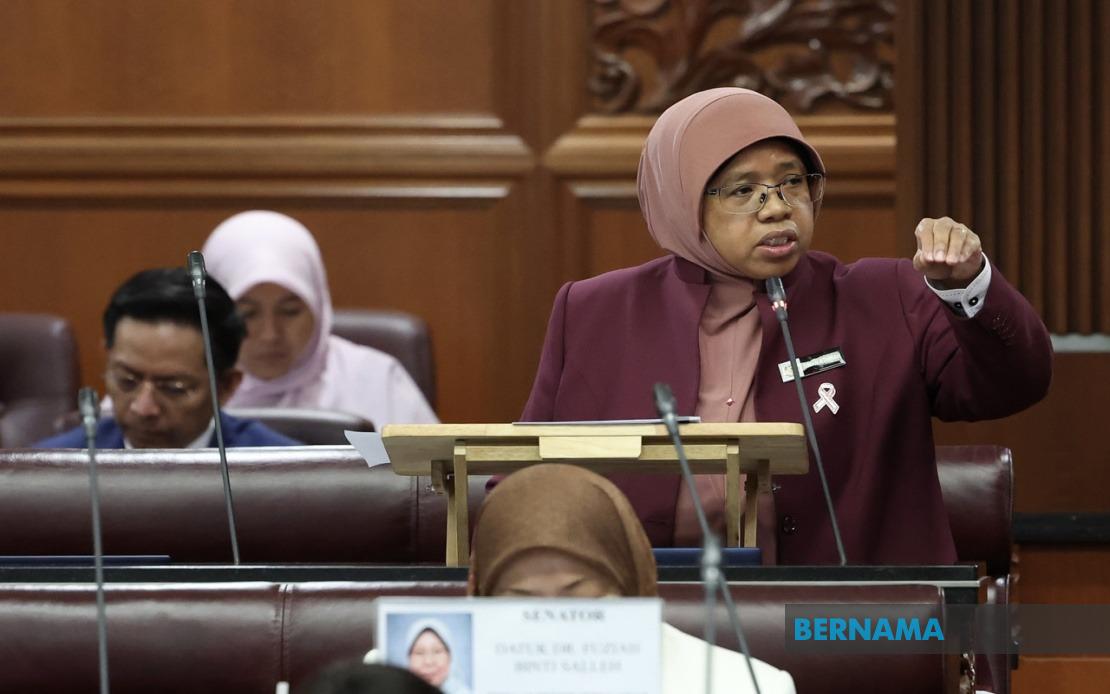
The Ministry of Housing and Local Government has announced a targeted maintenance strategy for ageing People's Housing Programme developments, acknowledging the substantial backlog of repairs across the nation's affordable housing stock. Deputy Minister Datuk Aiman Athirah Sabu revealed that KPKT is directing limited resources toward PPR projects over 10 years old, recognising that older facilities accumulate compound maintenance issues requiring urgent intervention. This approach reflects the ministry's pragmatic response to budget constraints that prevent simultaneous attention to all deteriorating housing stock across the country.
The ministry's maintenance framework concentrates on defects with the most significant bearing on resident safety and habitability. Lift systems, roof integrity, water storage facilities, pipe distribution networks, sanitary infrastructure, and electrical installations represent the core focus areas. These components form the backbone of residential functionality in high-rise PPR developments, and their failure directly compromises living conditions and poses safety risks. By narrowing the scope to these critical systems, KPKT attempts to maximise the protective impact of each ringgit spent on repairs and maintenance across its portfolio of low-cost housing.
Under the 12th Malaysia Plan framework, the ministry has channelled RM159.1 million toward PPR maintenance initiatives through five sequential rolling plans. This cumulative spending demonstrates the government's commitment to sustaining its affordable housing legacy, though the allocation levels reveal significant implementation constraints. The five-year period covered by the 12MP cycle shows steady investment in preservation, yet the gap between funding received and total maintenance needs remains substantial throughout the programme's duration.
The 2026 maintenance application cycle illustrates the depth of the maintenance crisis within PPR housing. KPKT received 226 separate maintenance applications encompassing 10 priority categories, with the combined repair costs totalling RM79.9 million. However, the ministry secured approval for only RM44.6 million in funding, representing just 56 per cent of the requested amount. This shortfall of approximately RM35.3 million indicates that roughly half of the identified priority maintenance work cannot proceed as originally planned, forcing difficult decisions about which deteriorating facilities will receive attention and which will await future budget cycles.
The application processing pathway for maintenance work adds temporal complexity to an already stretched system. Joint Management Bodies and Management Corporations responsible for individual PPR developments must first submit applications through the Commissioner of Buildings or relevant local authority channels. This preliminary gatekeeping stage ensures technical review and prioritisation at the municipal level before applications progress to the ministry for consideration. While this structural approach maintains quality control and prevents frivolous or technically unsound proposals from consuming resources, it also extends the timeline from identification of problems to actual repair commencement.
The bureaucratic calendar governing maintenance approvals spans nearly half the fiscal year. Submissions occur during the August-to-October window, creating the first temporal bottleneck as management bodies compete to file applications during this narrow window. Following collection, the Project Selection Working Committee meets in November to conduct initial evaluation and screening. This is succeeded by a Project Selection Steering Committee meeting in December, where applications advance to higher-level consideration. The Controlling Officer conducts final approval assessments in January, establishing whether projects clear the final funding hurdle.
Notification and project initiation extend the timeline further into the following calendar year. Local authorities receive formal notice of approved projects in January, but construction contractors and management bodies cannot proceed until Letters of Acceptance are issued. KPKT targets April as the latest month for LOA issuance, meaning projects typically commence in mid-year at the earliest. This eight-month lag between application submission and project commencement creates extended periods where identified defects remain unrepaired, potentially worsening conditions and increasing ultimate repair complexity.
The implications for Malaysian residents in PPR housing are significant and multifaceted. Aging infrastructure in high-density developments deteriorates progressively, and delays in addressing critical systems like water and sanitation facilities directly affect daily living standards. Lift breakdowns in mid-rise buildings can trap elderly residents and disable access for people with mobility challenges. Electrical and plumbing defects pose fire and flooding hazards. The gap between funding requests and approvals means that some communities will experience prolonged periods with substandard conditions while awaiting future budget cycles.
From a regional perspective, Malaysia's experience with PPR maintenance challenges reflects broader Southeast Asian patterns of aging affordable housing stock outpacing renewal capacity. Countries across the region have constructed extensive low-cost housing in previous decades to address rapid urbanisation, and these developments now face simultaneous ageing requiring systematic intervention. KPKT's systematic prioritisation approach, while constrained by funding, represents an attempt to manage this challenge strategically rather than reactively, though the execution remains limited by budgetary reality.
The ministry's acknowledgment of its own resource constraints demonstrates transparency about what is achievable within current fiscal parameters. However, the underlying message is sobering: with only 56 per cent of requested maintenance funds approved, PPR developments across Malaysia face a maintenance backlog that will require either substantially increased future allocations or acceptance of prolonged deterioration. For the hundreds of thousands of residents living in these developments, the maintenance bottleneck translates into living conditions that may continue degrading even as applications work through the approval system. This dynamic creates political and social pressure to increase allocations in future budget cycles, particularly if critical system failures become visible and widespread.

