The Ministry of Domestic Trade and Cost of Living (KPDN) has committed to examining tailored support mechanisms for island residents across Peninsular Malaysia who rely on private boats as their primary means of transportation to the mainland. The announcement came during a parliamentary session in Kuala Lumpur on July 1, with Deputy Minister Datuk Dr Fuziah Salleh acknowledging the genuine hardships faced by these isolated communities in their daily commutes.
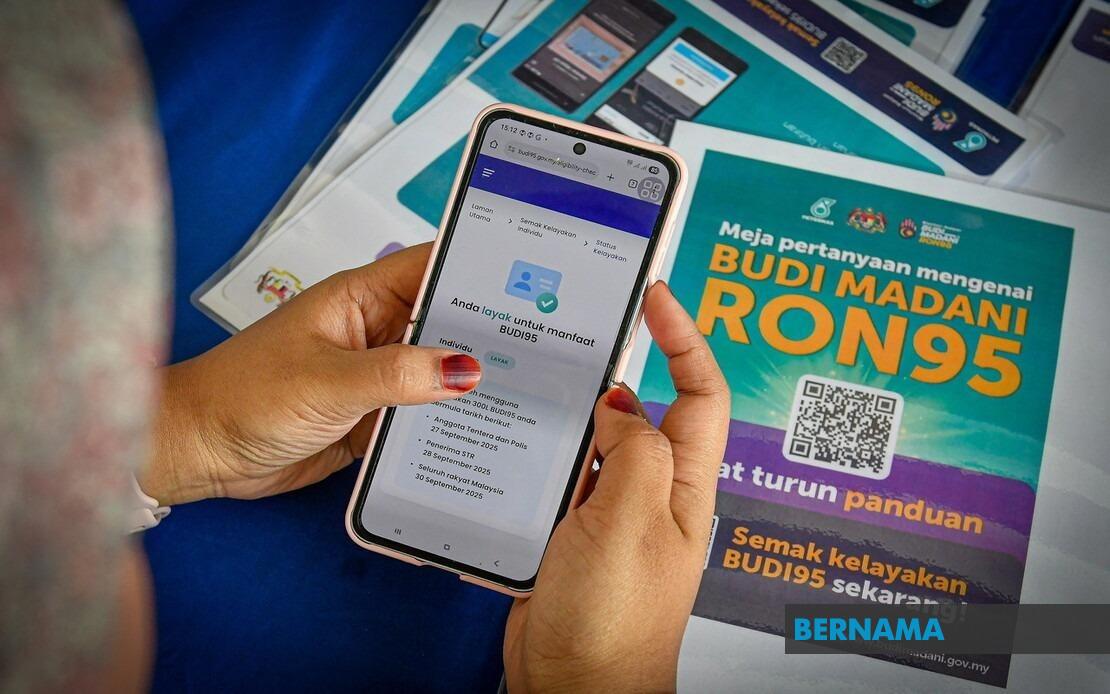
The push for greater assistance stems from concerns that island residents incur substantially higher fuel expenses compared to their mainland counterparts due to the necessity of regular boat journeys. Muhammad Islahuddin Abas, the member of parliament for Mersing in Johor, specifically requested an elevated BUDI95 fuel quota allocation for island communities, arguing their consumption patterns warrant differentiated treatment within the subsidy framework. This request highlights a growing recognition within the legislative body that geographical isolation creates distinct economic burdens requiring targeted policy responses.
Deputy Minister Fuziah indicated the ministry would explore concrete pathways to deliver customised support to boat-dependent communities. Her remarks suggest KPDN is taking seriously the structural disadvantages faced by populations whose geographic location fundamentally alters their transportation economics. The commitment reflects broader policy objectives to ensure equitable access to government assistance programmes across diverse Malaysian communities, particularly those in remote or difficult-to-access areas.
Beyond the island communities issue, the ministry is simultaneously undertaking a comprehensive review of standard operating procedures governing subsidised diesel fuel card distribution. Current regulations exclude non-governmental organisations operating old folks' homes from accessing these fuel subsidies, despite such facilities managing significant transportation requirements for elderly care operations and welfare services. This regulatory gap has emerged as a point of contention, with officials recognising that organisational registration status should not be the determining factor for eligibility when genuine operational needs exist.
The complexity surrounding elderly care facility eligibility stems from administrative classification differences. Organisations registered with the Registrar of Societies fall outside the existing framework designed primarily for companies registered with the Companies Commission. Deputy Minister Fuziah acknowledged this bureaucratic mismatch, noting that additional procedural accommodations would be necessary to incorporate these organisations into the Subsidised Diesel Control Scheme (SKDS). The ministry's willingness to reconsider structural barriers suggests a pragmatic approach to removing unnecessary administrative obstacles that prevent legitimate welfare operations from accessing intended benefits.
Wee Ka Siong, the Ayer Hitam member of parliament, raised supplementary questions regarding diesel subsidy access for marginalised economic sectors, particularly tourism and construction industries facing genuine fuel cost pressures. His intervention underscores ongoing parliamentary scrutiny of subsidy allocation across different segments of the economy. The exchange illustrates tensions between maintaining fiscal responsibility and providing relief to sectors disproportionately burdened by fuel expenses.
Currently, the SKDS 2.0 framework maintains tourism as an ineligible sector, with the scheme concentrating subsidies on sectors deemed essential, principally food production and distribution. This prioritisation reflects government strategy to stabilise costs for critical commodities affecting household spending patterns. However, the exclusion of tourism creates complications for an industry that constitutes a significant portion of Malaysia's services economy and directly employs hundreds of thousands of Malaysians across accommodation, transportation, and hospitality services.
The tourism industry's exclusion from diesel subsidies represents a policy decision with potentially cascading effects throughout the sector. Tourism operators, particularly those managing transportation services and accommodation facilities in remote or island locations, face rising operational costs that could be transmitted to consumer prices or absorbed through reduced profitability. The disconnect between tourism's economic importance and its ineligibility for fuel support warrants careful analysis, particularly as Malaysia seeks to recover tourism arrivals following pandemic disruptions and positions itself competitively within regional travel markets.
These ministerial responses reveal a government grappling with the mechanics of subsidy distribution within a complex and differentiated economy. The challenges raised encompass several policy dimensions: geographic equity for island populations, organisational inclusion for welfare operations, and sectoral coverage decisions for industries like tourism. Each issue reflects broader questions about how subsidy schemes should be structured to achieve both fiscal sustainability and equitable outcomes across Malaysia's diverse communities and economic sectors.
The ministry's stated intention to review mechanisms suggests flexibility in how government support programmes are implemented, even if the fundamental fiscal constraints limiting subsidy expansion remain unchanged. For island communities, elderly care facilities, and tourism operators, the outcomes of these reviews could meaningfully improve operational sustainability. However, the iterative nature of policy refinement means that concrete changes may emerge gradually rather than through comprehensive legislative overhaul.
From a Malaysian perspective, these discussions highlight the tension between targeted, efficient subsidy delivery and comprehensive assistance that reaches all deserving populations. As the ministry undertakes these reviews, stakeholders in affected communities and industries will monitor whether genuine regulatory barriers are dismantled or whether bureaucratic obstacles persist. The precedent set through these decisions may influence future eligibility expansions, determining whether the subsidy framework becomes progressively more inclusive or remains narrowly circumscribed.

