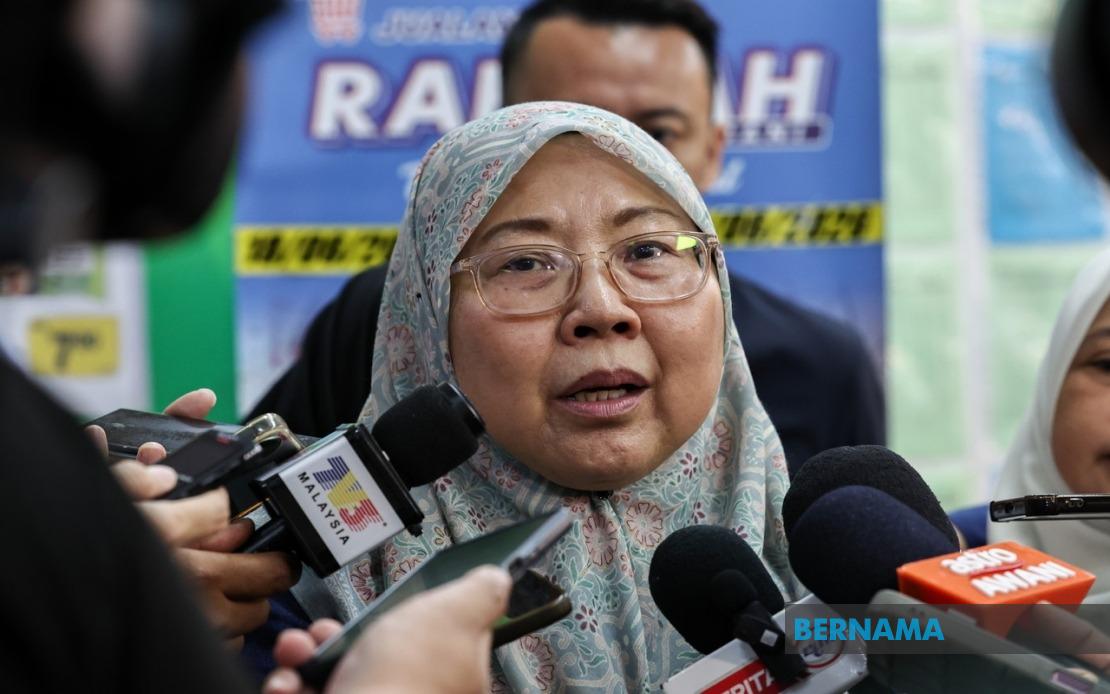
The Ministry of Domestic Trade and Cost of Living (KPDN) has moved to reassure the public that stocks of essential goods will remain adequate in Johor and Negeri Sembilan during the upcoming state elections, even as supply chain costs have risen due to ongoing geopolitical tensions in West Asia affecting global shipping and logistics rates. Deputy Minister Datuk Dr Fuziah Salleh delivered the commitment while inspecting subsidised goods distribution points, emphasising that the government has implemented preventive strategies to maintain uninterrupted supplies as the region prepares for potential demand spikes from electoral officials and visitors from other states.
Central to the ministry's election readiness strategy is a restructured supply chain for subsidised cooking oil, which now bypasses the traditional wholesaler network entirely. Under the new arrangement, repackers deliver products directly to retail points of sale, a move designed to reduce handling delays and prevent the bottlenecks that commonly occur when multiple intermediaries are involved in the distribution chain. This direct-to-retail model represents a shift from conventional logistics practices and reflects lessons learned from previous supply disruptions during high-demand periods across the country.
Johor's allocation of subsidised cooking oil remains robust at over 3,000 metric tonnes per month, a volume handled by 18 licensed repackers who collectively supply 95 retail points including major supermarket chains such as Econsave. An unannounced inspection at Econsave Taman Daya found inventory levels stable, with approximately 100 cartons of subsidised cooking oil available for daily sales—a figure the ministry characterises as sufficient to meet foreseeable demand from the local population. This inventory position suggests confidence within the ministry that supply constraints, at least for this critical commodity, should not materialise before or during the election period.
To prevent the subsidised goods programme from leaking to ineligible purchasers or being diverted for commercial resale, the ministry has instituted stringent point-of-sale controls. Customers seeking to purchase subsidised items must now either scan an app or present their national identity card (MyKad) to verify Malaysian citizenship eligibility. These verification gates represent an attempt to tighten programme integrity and ensure that price-controlled items reach intended beneficiaries rather than being exploited through unofficial channels or purchased for illicit trading—a perennial challenge in administered pricing systems across Southeast Asia.
The scale of the government's broader cost-of-living relief effort becomes evident when examining the Rahmah MADANI Sales Programme (PJRM) statistics shared by the deputy minister. From January 1 through June 13, 2026, the programme staged 13,692 events nationwide, reflecting a systematic effort to bring discounted goods directly to communities beyond the permanent retail network. Within Johor specifically, 920 such sessions were organised across all 56 state constituencies, attracting 2.3 million visitors and generating over 1.46 million recorded transactions. These figures illustrate the political and logistical machinery mobilised around consumer price management, particularly in the context of electoral campaigns where voter perceptions of government effectiveness on cost of living carry significant weight.
The timing of these election-readiness announcements underscores their political significance. Johor's state election is scheduled for July 11, with early voting planned for July 7 and candidate nominations set for June 27. This compressed timeline means that supply assurances must translate into visible results within weeks, not months. Any shortages during this period would carry disproportionate political consequences, potentially reinforcing opposition narratives about government mismanagement or inability to handle electoral logistics. The ministry's public inspection tour and detailed disclosure of stock levels appear designed to preempt such criticisms by establishing a documented baseline of preparedness.
For Malaysian consumers and those watching regional economic governance, these supply chain adjustments carry broader implications beyond the immediate electoral context. The decision to bypass wholesalers reflects growing governmental frustration with traditional distribution inefficiencies, a pattern evident across Southeast Asia as authorities seek tighter control over subsidised goods programmes. The MyKad verification system at checkout counters represents another escalation in state capacity to track consumer transactions—a development that touches on issues of data collection and privacy even as it addresses leakage concerns.
The ministry's explicit acknowledgment of global logistics cost pressures from West Asia conflicts is particularly noteworthy for Malaysian policymakers and economists. Rising international shipping rates directly affect import-dependent Malaysia's cost structure, and subsidised goods programmes become more fiscally burdensome when procurement costs rise. By highlighting these pressures while simultaneously assuring sufficiency, the ministry is implicitly positioning supply security as a managed political choice rather than an inevitable constraint—a frame that carries electoral messaging value regardless of underlying structural realities.
The election context also shapes how these supply assurances should be evaluated. Johor remains a bellwether state in Malaysian politics, and perceptions of government competence in maintaining basic commodity access influence voting behaviour, particularly among lower-income populations most dependent on subsidised goods. The ministry's proactive disclosure of inspection results and stock figures represents an attempt to establish credibility before any disruptions occur. However, external factors beyond governmental control—shipping delays, unexpected demand surges, or supply-side shocks from key trading partners—could still undermine these careful preparations, particularly if global conditions deteriorate further.

