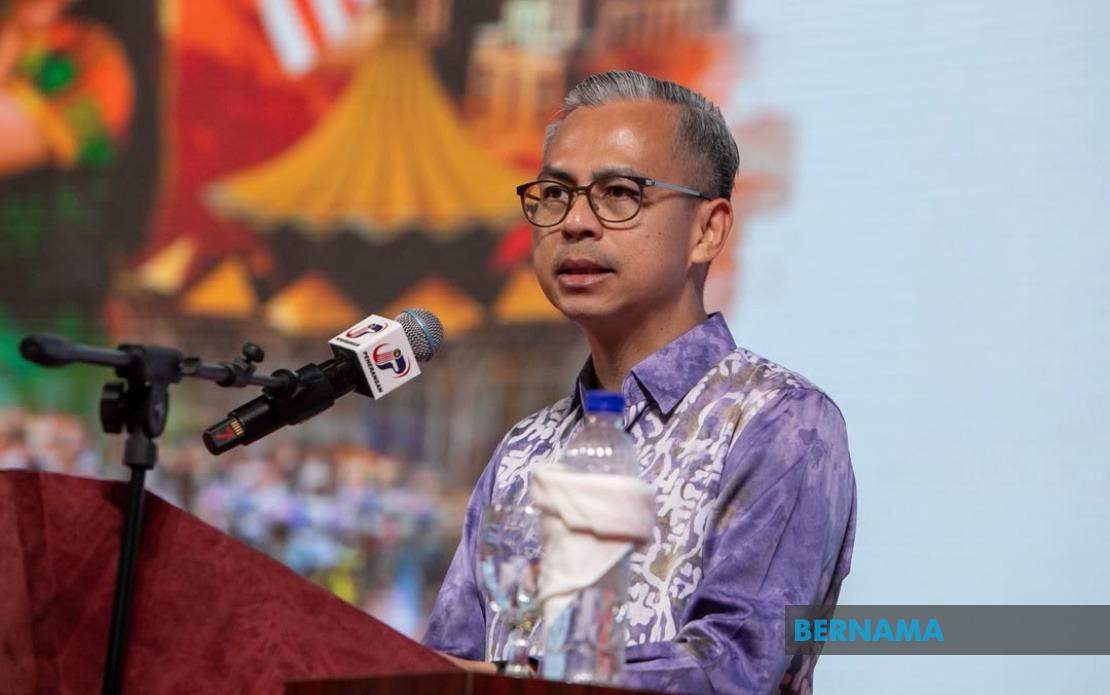
The government will maintain the Kembara Merdeka Jalur Gemilang convoy as a cornerstone initiative for nurturing patriotic sentiment across the nation, Communications Minister Datuk Seri Fahmi Fadzil announced in Ipoh on July 19. Speaking at the launch of the 2026 National Month and Fly the Jalur Gemilang campaign, Fahmi emphasised that the mobile convoy would remain instrumental in strengthening Malaysians' connection to their nation and deepening bonds between communities of different backgrounds.
The convoy programme represents a significant shift in how authorities approach national celebrations, moving beyond traditional static events to bring patriotic messaging directly to communities across the country. By travelling to different regions, the KMJG convoy reaches populations in smaller towns and rural areas who might otherwise have limited access to major national commemorative events. This decentralised approach recognises that unity and patriotism require sustained grassroots engagement rather than centralised urban-focused celebrations.
Fahmi's remarks came during an official launch ceremony held at the Sultan Azlan Shah Ministry of Health Training Institute in Tanjung Rambutan, with Prime Minister Datuk Seri Anwar Ibrahim presiding over the event. The ceremony marked the formal kickoff for Malaysia's 2026 National Month and Malaysia Day celebrations, which will operate under the thematic banner of "Malaysia MADANI: Kesejahteraan Dinikmati" or "Malaysia MADANI: Shared Prosperity". This theme reflects the government's broader policy emphasis on inclusive economic growth and social wellbeing across all demographic segments.
Alongside the convoy initiative, authorities will intensify the "One House, One Jalur Gemilang" campaign, a programme designed to increase the visibility of Malaysia's national flag across residential neighbourhoods. The initiative encourages households throughout the country to display the Jalur Gemilang from their homes and public spaces, transforming cities and villages into visual expressions of national pride. For many Malaysians, particularly younger generations, such symbolic acts serve as tangible reminders of shared identity and collective belonging during pivotal moments in the nation's calendar.
The minister noted that despite budgetary constraints requiring prudent resource management, the government remains committed to prioritising activities that reinforce patriotic values and deepen public appreciation for Malaysia's independence and sovereignty. This stance indicates a strategic decision to concentrate spending on initiatives with direct community engagement rather than expanding administrative overhead. The approach demonstrates how contemporary governance must balance fiscal responsibility with the intangible investments required to maintain social cohesion.
Fahmi's emphasis on the convoy's continuity signals confidence in its effectiveness as a vehicle for national messaging. The KMJG has previously proven its capacity to mobilise populations and generate enthusiasm for national causes. By cementing its place in future celebrations, authorities acknowledge both its symbolic importance and practical utility as a platform for communicating government narratives and national priorities to diverse audiences. The convoy serves simultaneously as entertainment, education, and political communication tool.
The timing of this announcement carries significance for the region. As Malaysia navigates complex dynamics involving religious pluralism, ethnic diversity, and competing regional influences, initiatives emphasising shared national identity become increasingly important. Southeast Asia has witnessed various instances of centrifugal forces threatening national cohesion, making proactive unity-building exercises valuable from both social stability and democratic governance perspectives. The KMJG convoy positions itself as a counter-narrative to divisive discourse.
National Unity Minister Datuk Aaron Ago Dagang and Perak Menteri Besar Datuk Seri Saarani Mohamad's attendance underscored the whole-of-government commitment to the 2026 celebrations. This multi-ministry coordination ensures that patriotism and unity narratives align across different government portfolios and local administrations. Such institutional alignment prevents competing messages and maximises the coherence of national communication strategies.
The 2026 timeline provides adequate runway for comprehensive planning and resource allocation. Rather than treating National Month as an ad-hoc annual ritual, the government's advance announcement suggests a methodical approach to designing meaningful civic experiences. This planning horizon allows communities time to organise related events and activities that complement the official convoy and flag initiatives, creating a dense calendar of patriotic expression throughout the month.
For Malaysian businesses and civil society organisations, the confirmed continuation of these initiatives presents opportunities for participation and partnership. Private sector sponsorship, community volunteer coordination, and cultural programme integration can amplify the KMJG convoy's reach and impact. Such collaborative frameworks transform government initiatives into genuinely participatory national exercises rather than top-down impositions.
The emphasis on the convoy as a platform promoting unity carries implicit recognition that patriotism need not entail uniformity. Rather, the initiative acknowledges that diverse Malaysians can express love for their country through shared symbols and collective celebration, even while maintaining distinct cultural and religious identities. This inclusive conception of patriotism becomes increasingly relevant as Malaysia's population continues diversifying and generational attitudes toward nationalism evolve.
Looking forward, the success of the 2026 National Month celebrations will likely influence how Malaysian authorities design subsequent civic engagement programmes. If the KMJG convoy and related initiatives successfully generate enthusiasm and broaden participation across demographic boundaries, expect similar decentralised, community-focused approaches to characterise future national campaigns. Conversely, challenges in implementation or messaging could prompt recalibration of strategies for fostering national unity.

