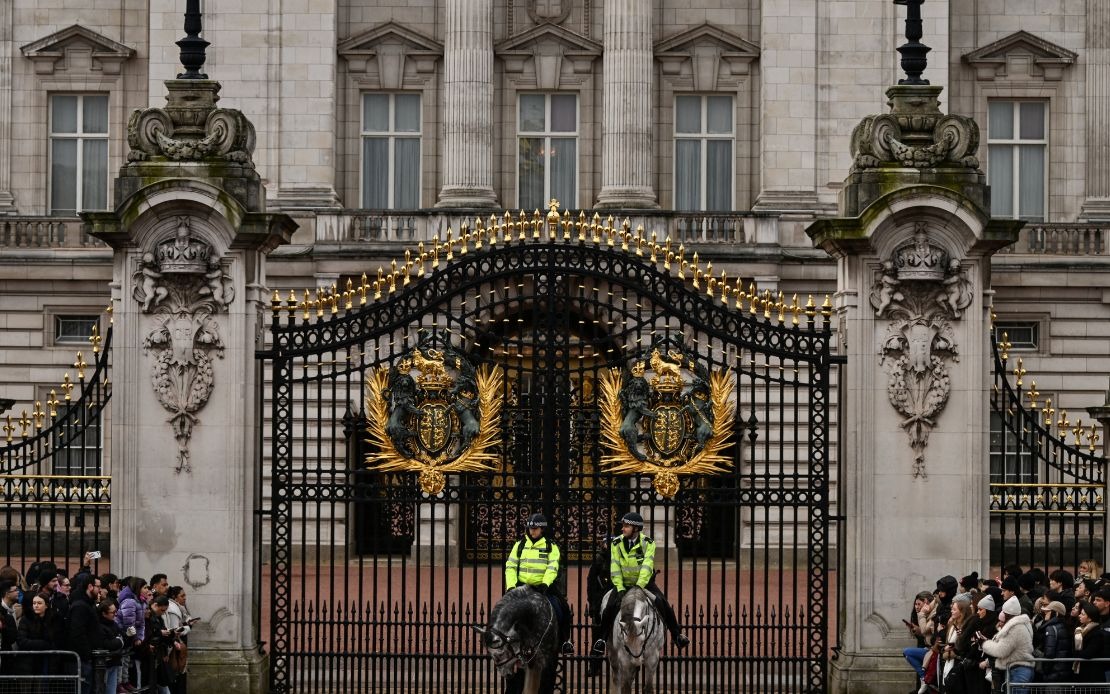
Britain's King Charles III and Queen Camilla have confirmed they will continue to utilise Buckingham Palace as the ceremonial centrepiece of the monarchy following the completion of its extensive refurbishment programme, though the historic residence will remain their workplace rather than their home. The Royal Household clarified on Thursday that the palace will serve as the venue for official state ceremonies, formal receptions, and significant public events after the restoration work concludes, underscoring its enduring role as the symbolic heart of the British monarchy.
The announcement reflects a broader vision for the palace's future that extends beyond the royal family's immediate needs. Palace officials emphasised that Buckingham Palace will continue functioning as the principal workplace for the Royal Household and its extensive staff, maintaining its centuries-old role as the administrative and ceremonial nerve centre of the monarchy. This distinction between public ceremonial use and private residential occupation represents a pragmatic approach to managing one of the world's most recognisable buildings whilst preserving its heritage value and operational significance.
A key dimension of the royal vision involves substantially expanding public access to the palace. The Royal Household characterised Buckingham Palace as a national heritage asset, signalling an intention to make greater portions of the building available for visitor tours and educational programmes. This approach reflects contemporary thinking about royal institutions opening themselves to public engagement whilst safeguarding private spaces and security requirements. Such accessibility initiatives can strengthen public connection to the monarchy and generate additional revenue streams through heritage tourism.
The Buckingham Palace Reservicing Programme, now entering its final year after nine years of continuous work, represents one of the most significant restoration undertakings ever attempted on a working royal residence. This decade-long project addresses the palace's aging infrastructure, updating electrical systems, plumbing, and climate control whilst preserving its architectural integrity and historical character. The programme's completion will mark a turning point for a building that has served as the principal London residence of British monarchs since 1837.
For Malaysian and Southeast Asian observers interested in Commonwealth institutions and ceremonial monarchy, the confirmation of Buckingham Palace's future role carries particular resonance. The decision to maintain the palace as a ceremonial centre rather than converting it into a purely private residence reflects the modern monarchy's acknowledgement that such buildings serve purposes transcending individual family needs. This model may offer insights into how other Commonwealth realms approach their own heritage properties and royal residences.
The Royal Household's financial disclosures during the 2025-2026 financial year provide substantial context for understanding the monarchy's operational scale. Palace officials reported that nearly 97,000 guests attended a total of 827 official events across various royal palaces during this period, demonstrating the intensive ceremonial calendar that demands proper facilities and professional management. These figures illustrate why maintaining Buckingham Palace as a dedicated ceremonial venue makes organisational sense beyond mere tradition or symbolism.
The Sovereign Grant, which constitutes public funding for the monarch's official duties and palace maintenance, increased to £132.1 million in the 2025-2026 financial year, with £67.5 million specifically allocated to preserving and protecting occupied royal palaces. This substantial investment reflects the genuine costs associated with maintaining heritage properties to contemporary standards whilst ensuring they remain functional for their ceremonial and administrative purposes. The allocation underscores government recognition that such expenditures support not only royal functions but also significant heritage and tourist infrastructure.
The decision to keep Buckingham Palace fundamentally unchanged in its ceremonial purpose, despite the royal couple's alternative residence elsewhere, demonstrates how institutional considerations shape decisions within constitutional monarchies. Rather than repurposing the palace into private apartments or converting portions into commercial ventures, the Royal Household has chosen to reinforce its traditional role. This approach preserves continuity in ceremonial life whilst allowing the monarchy to adapt to contemporary expectations regarding public access and institutional transparency.
From a broader institutional perspective, this announcement illustrates how modern monarchies balance tradition with practical necessity. Buckingham Palace will continue serving its historical function as the setting for state occasions, diplomatic receptions, and formal ceremonies that constitute the public face of the monarchy. Simultaneously, the Royal Household's emphasis on expanding public access suggests recognition that heritage institutions must demonstrate value beyond ceremonial formality by engaging contemporary audiences and justifying public investment.
The completion of the refurbishment programme will enable Buckingham Palace to serve another generation as the ceremonial seat of the British throne. For Commonwealth nations and regions, particularly those with formal recognition of the British monarch as head of state, the palace's restored condition and clarified future role reinforce the continuity of institutional monarchy. The physical restoration parallels institutional continuity, ensuring that the primary venue for royal ceremonial life remains fit for purpose in the twenty-first century and beyond.

