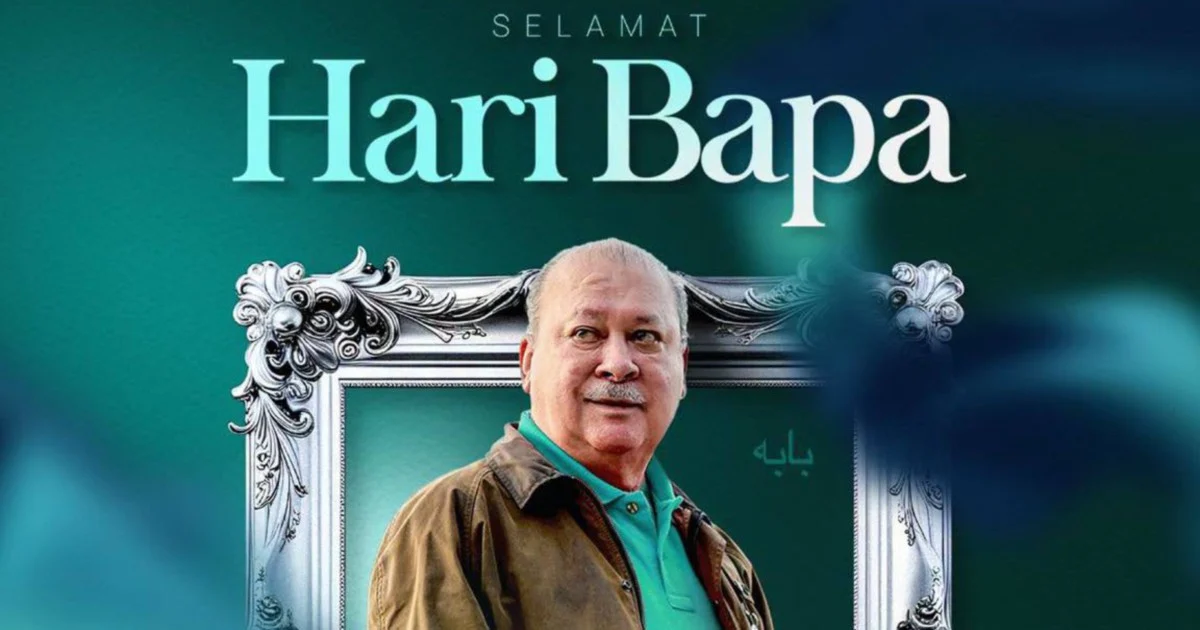
His Majesty Sultan Ibrahim, King of Malaysia, and Her Majesty Raja Zarith Sofiah, Queen of Malaysia, have marked Father's Day by extending warm greetings to all fathers throughout the nation. The royal gesture reflects the monarchy's recognition of paternal figures and their significance within Malaysian families and communities across the country.
Father's Day celebrations have become an increasingly important occasion in Malaysia, providing an opportunity for families to honour and appreciate the male parental figures in their lives. The royal acknowledgement carries particular weight, as such public gestures from the monarchy often help elevate the cultural significance of family-oriented observances within Malaysian society. The greetings emphasise the value placed on fatherhood as a role that extends beyond individual households to contribute meaningfully to the nation's social fabric.
The timing of such official recognition underscores how contemporary Malaysia continues to balance modernisation with traditional family values. While Father's Day originated in the West, its adoption in Malaysia reflects the country's openness to celebrations that reinforce universal themes of family unity and intergenerational bonds. The royal family's participation helps legitimise and popularise these observances among the broader Malaysian populace, regardless of cultural or religious background.
For many Malaysian fathers, such acknowledgement from the highest office of state serves as validation of their efforts—whether they navigate the challenges of providing for their families, maintaining strong emotional connections with their children, or simply being present during formative years. The recognition is particularly meaningful in a contemporary context where discussions about parental responsibilities and mental health have gained prominence across Southeast Asia. Paternal mental wellbeing and emotional engagement with children represent evolving aspects of fatherhood that modern Malaysian society continues to explore.
The monarchy's direct involvement in cultural observances also reflects an institutional commitment to fostering social cohesion and shared national identity. By acknowledging diverse family structures and parental roles, the royal establishment demonstrates an understanding that Malaysian society encompasses varied family arrangements and definitions of fatherhood. This inclusive approach resonates across different demographic groups within the country.
From a regional perspective, Malaysia's royal institutions continue to play a ceremonial and symbolic role that influences public discourse. When the King and Queen publicly acknowledge occasions like Father's Day, it signals to other Southeast Asian nations how traditional monarchies can remain relevant and connected to contemporary social movements. The balance between formal state duties and personal engagement with national celebrations represents a modern interpretation of constitutional monarchy.
The message from the palace also arrives at a moment when conversations about work-life balance, paternal leave policies, and shared parenting responsibilities have become more prominent in Malaysian workplaces and policy discussions. Official recognition from the highest levels of government can help catalyse broader conversations about supporting fathers in their roles, whether through workplace flexibility or enhanced parental support frameworks.
Father's Day observances in Malaysia typically occur alongside international celebrations, though the specific date and cultural significance may vary across different communities within the country. The royal family's greetings help create a unifying national moment around the theme of fatherhood, transcending regional and communal boundaries that often characterise Malaysian society.
The gesture also demonstrates how the constitutional monarchy maintains its relevance by engaging with contemporary social customs and family-centred occasions. While the monarchy's primary responsibilities involve constitutional and ceremonial duties, these public messages of goodwill help the institution remain connected to the everyday lives and values of Malaysian citizens. Such interactions contribute to the broader narrative of a monarchy that understands and acknowledges the concerns and celebrations of the people it represents.
As Malaysia continues its development trajectory, the emphasis on strong family institutions—including the recognition of fathers' roles—aligns with national development frameworks that prioritise social stability and wellbeing. The royal family's acknowledgement of Father's Day fits within this broader context of supporting family structures as foundational to national progress and social harmony.

