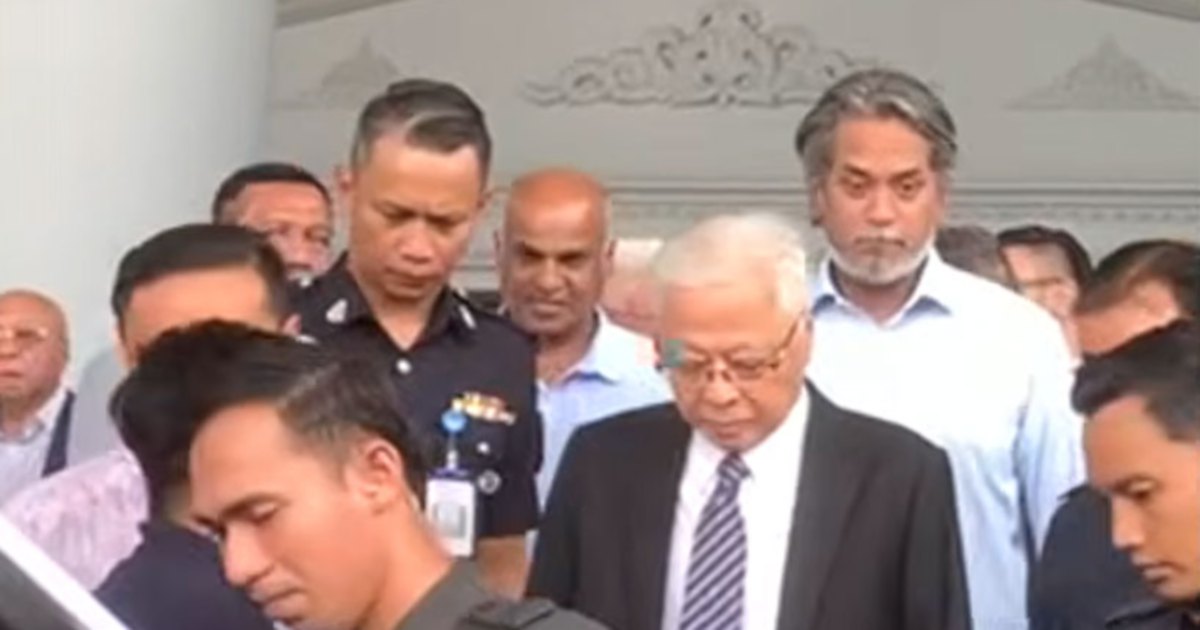
Khairy Jamaluddin's unexpected appearance at the Kuala Lumpur Court Complex during former Prime Minister Datuk Seri Ismail Sabri Yaakob's charge hearing has reignited discussion about factional alignments within Umno and the broader political landscape. The former Umno Youth chief's decision to attend the proceeding was not lost on observers monitoring developments within Malaysia's largest Malay-Muslim party, where internal tensions have periodically surfaced around leadership contests and policy directions.
The symbolism of such courtroom appearances carries particular weight in Malaysian politics, where public gestures often communicate messages beyond their immediate context. Khairy's presence suggested a demonstration of political kinship with Ismail Sabri at a moment when the former prime minister faces formal judicial proceedings, regardless of the specific charges involved. Such shows of solidarity typically resonate through party structures and can influence how other leaders position themselves during periods of organisational strain.
Ismail Sabri's tenure as Prime Minister from August 2021 to September 2022 represented a transitional period for the coalition government, coming after Tan Sri Muhyiddin Yassin's administration and preceding the current administration. His relatively brief spell as premier was marked by efforts to stabilise the political situation following protracted coalition negotiations and manoeuvring. The fact that he now faces court proceedings underscores how Malaysia's political arena frequently intersects with the legal system, creating complex narratives that blend governance challenges with judicial scrutiny.
The attendance of senior party figures at court proceedings involving other party members reflects a delicate balance within Umno's political culture. While public support can demonstrate party cohesion, it also risks appearing as though the party is attempting to influence judicial processes or create an impression that legal matters are primarily political concerns rather than serious criminal allegations requiring objective assessment. Malaysian courts have historically maintained independence, though public perceptions about party involvement in judicial matters remain sensitive.
Khairy himself occupies an interesting position within contemporary Umno politics. His previous role as Youth chief positioned him as a potential future party leader, yet his career trajectory has included periods of marginalisation and comeback efforts. His current standing within party hierarchies and his relationship with the party's existing leadership cadre can be read through gestures such as courtroom attendance, which often carry coded meanings about factional allegiances and personal relationships.
The broader context of Umno's recent history reveals a party navigating significant internal pressures. Questions about succession planning, ideological direction, and relationships with coalition partners have occupied party discussions. Meanwhile, the party faces electoral challenges and competition from other Malay-centric political entities. Within this landscape, how senior figures position themselves during moments of crisis affecting other members becomes notable for understanding deeper organisational dynamics.
Ismail Sabri's political journey from local Umno structures to the Prime Minister's Office represents a substantial career arc. His relatively low public profile compared to some other senior Malaysian politicians sometimes meant his tenure as premier received less international attention, though his period in office handled significant policy matters including pandemic management transitions and economic stabilisation efforts. The legal proceedings now facing him add another chapter to his political biography.
The presence of Khairy raises questions about potential coordination within Umno's support structures and whether other senior party members might similarly demonstrate support. Such patterns can indicate whether the party intends to frame these proceedings as personal legal matters or as events affecting the broader organisation. The distinction carries implications for how Umno's grassroots members and external observers interpret both the proceedings and the party's internal dynamics.
From a Southeast Asian perspective, Malaysia's political structures regularly intersect legal and governance spheres in ways that international observers find instructive. The Malaysian experience demonstrates how coalitional politics, party structures, and judicial proceedings create complex overlapping narratives that require careful navigation by political actors. Khairy's courtroom appearance exemplifies this intersection, serving simultaneously as personal support, factional statement, and broader commentary on how Malaysian politics manages moments when prominent figures face legal challenges.
Looking forward, the trajectory of Ismail Sabri's proceedings will likely continue attracting attention from party members and political analysts alike. The patterns of support demonstrated by figures like Khairy provide early signals about how Umno intends to manage the situation and what messages senior leadership wishes to communicate about party unity during challenging times. Such moments often prove formative for understanding organisational culture and power distributions within Malaysia's political structures.

