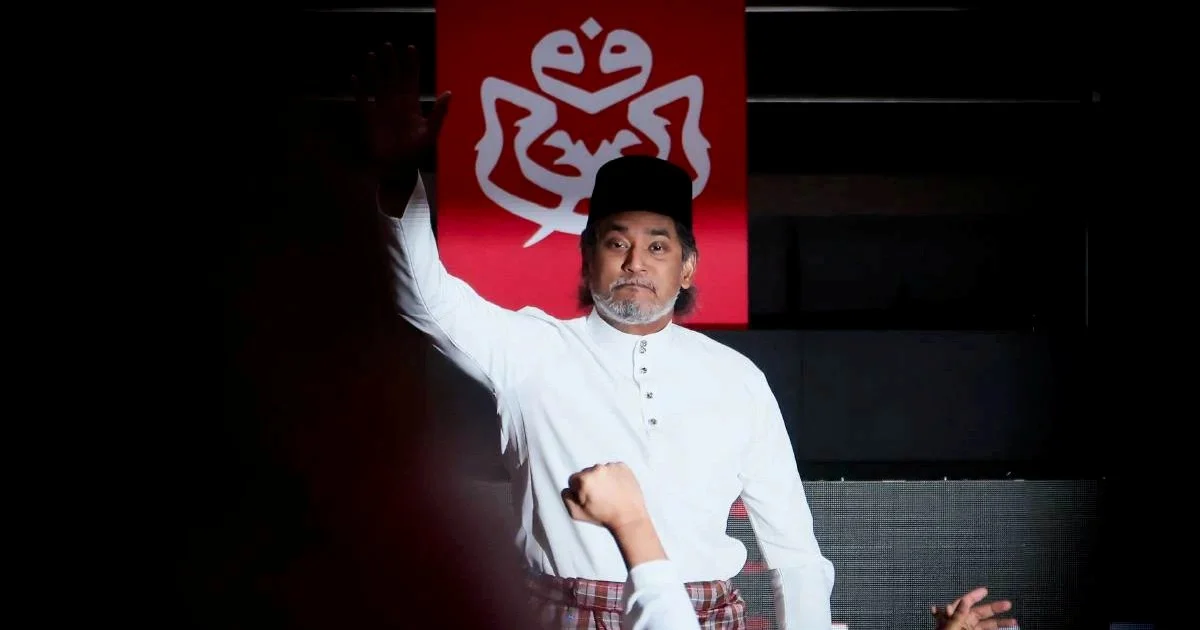
Former Rembau member of parliament Khairy Jamaluddin has chosen to defer any decision regarding his potential candidacy in the upcoming Negri Sembilan state election scheduled for August 1 to the discretion of Umno's top leadership. The move represents a measured approach from the veteran politician as the party navigates the complexities of candidate selection across the mineral-rich state.
Khairy's decision to place the matter in the hands of party hierarchy reflects broader realities within Umno's current organisational dynamics. The party, which continues to play a pivotal role in Malaysian politics despite earlier electoral setbacks, faces the intricate task of fielding candidates who can effectively contest state seats while maintaining internal harmony among competing faction leaders and regional power brokers. The Negri Sembilan contest carries particular weight given the state's significance as a traditional stronghold of Umno influence.
For Malaysian observers familiar with political manoeuvrings, Khairy's position is notable given his previously high-profile status within the party structure. The Rembau seat, which he represented, remains a bellwether constituency reflecting broader sentiment within Umno's grassroots support base. His willingness to step back from unilaterally announcing candidacy plans suggests strategic calculation regarding party unity during what promises to be a closely contested state election.
The August 1 election date carries implications extending beyond Negri Sembilan itself. As one of several state elections occurring throughout 2024, the Negri Sembilan contest will serve as a testing ground for opposition coalitions, particularly Pakatan Harapan, which continues efforts to expand electoral presence in federal states traditionally aligned with Barisan Nasional. The candidacy decisions made by major players such as Khairy will fundamentally shape the electoral landscape across key constituencies.
Umno's leadership faces multifaceted challenges in constructing a competitive slate. The party must balance veteran politicians with rising new faces, ensure adequate representation across demographic constituencies, and navigate sometimes competing interests of state-level party branches. Negri Sembilan's political landscape includes various interest groups and community representatives whose backing proves essential for electoral success. The leadership's ultimate determination regarding Khairy's participation will likely factor in broader strategic assessments about seat allocation and resource deployment.
Khairy's background provides particular context for this decision. As a former Minister of Health during the pandemic response, his profile extends beyond traditional party loyalists to encompass segments of the general electorate. His parliamentary record in Rembau, though ending at the 2022 general election, demonstrated capacity to maintain constituency support even during challenging electoral cycles for his party. Such credentials make him a potentially valuable asset for any constituency contest, yet they also imply higher expectations and scrutiny from party decision-makers.
The deference to party leadership may also reflect recognition that candidacy selection involves considerations beyond individual preference. Umno's leadership would need to evaluate whether deploying Khairy in Negri Sembilan serves the party's overall electoral strategy, whether other constituencies might benefit more from his candidacy, and how internal party politics might be affected by specific allocation decisions. These calculations often involve negotiations with component parties in Barisan Nasional and consideration of state-level coalitional arrangements.
For Negri Sembilan voters, the ultimate composition of candidate lists will prove consequential. The state election occurs amid broader national discussions about governance quality, economic management, and the role of federalism in Malaysian politics. Whether established figures like Khairy contest seats may influence the tenor of campaigning and the issues prioritised during the campaign period. Negri Sembilan's electorate has demonstrated responsiveness to economic messaging and concerns about local development, factors that may shape how Umno and opposition parties frame their appeals.
The waiting period before August 1 will likely generate considerable speculation within political circles about final candidate selections across all competing parties. Khairy's current positioning—neither confirming nor rejecting candidacy—mirrors the broader situation facing numerous other potential candidates who remain in consultation with party structures. These dynamics underline how Malaysian electoral contests involve not merely individual ambitions but intricate party machinery coordinated toward collective strategic objectives.
As Umno's leadership deliberates on candidate selection, their decision regarding Khairy will send signals about broader party direction. Whether they ultimately field him in a Negri Sembilan constituency will reflect their assessment of current political conditions, the incumbent strength of opposition parties in particular seats, and judgments about his potential electoral value in this specific state context. This choice, seemingly straightforward, encapsulates the complexity of contemporary Malaysian politics.

