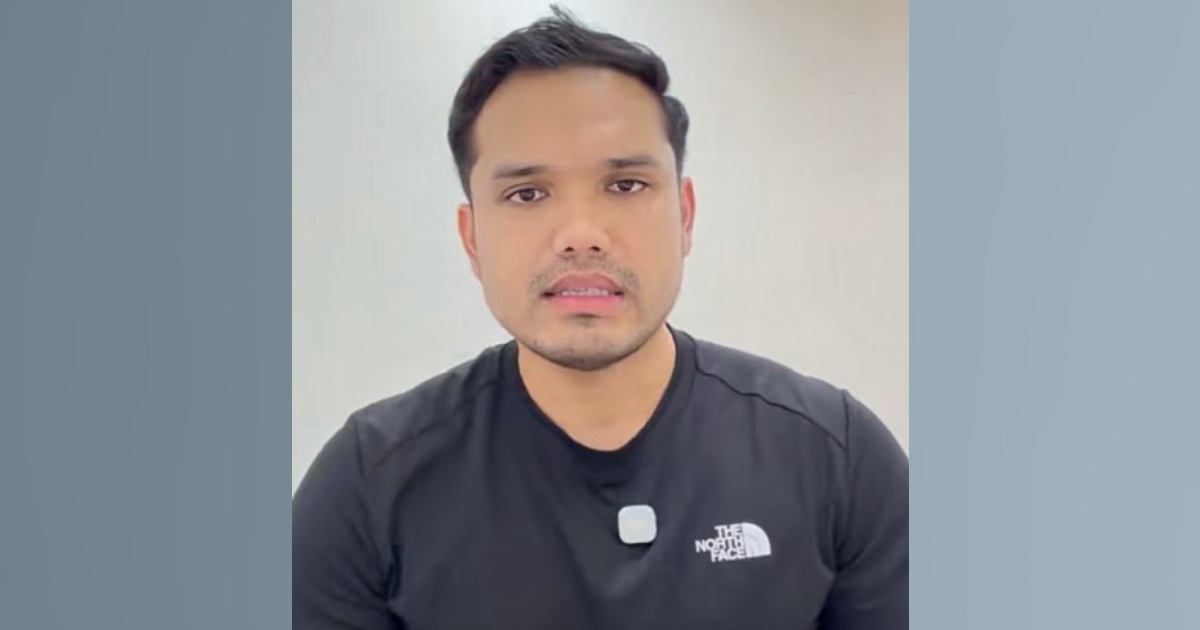
Malaysian influencer and business entrepreneur Khairul Aming has voiced serious concern following the apparent leak of his personal mobile phone bill information online, an incident that underscores growing anxieties about privacy protection in the digital age.
The exposure of such sensitive financial and telecommunications data represents a troubling breach that extends beyond mere embarrassment for the public figure. Phone bills typically contain subscriber names, account numbers, billing addresses, itemised call logs, and data usage records—information that could potentially be exploited for identity theft, targeted scams, or other malicious purposes. The unauthorised disclosure raises fundamental questions about how telecommunications companies and related service providers safeguard customer information in Malaysia's increasingly digitised economy.
Khairul Aming's experience is not an isolated incident within Malaysia's celebrity and influencer ecosystem. As public figures maintain heightened online visibility through social media platforms and regular media appearances, they often become targets for various forms of digital harassment and privacy violations. The ease with which personal documents can be screenshotted, doctored, or shared across messaging applications and social networks has created a challenging environment for data security, regardless of an individual's social status or professional standing.
The incident also highlights broader systemic vulnerabilities within Malaysia's telecommunications infrastructure and customer data management protocols. While the Malaysian Communications and Multimedia Commission (MCMC) has established guidelines for data protection, enforcement mechanisms and the consequences for breaches remain inconsistent. Telecommunications service providers operating in the country have varying standards for customer privacy, and the pathways by which employees or unauthorised individuals access sensitive billing records are not always transparent or adequately monitored.
For influencers and entrepreneurs like Khairul Aming, whose professional brand is intrinsically linked to their public reputation, such privacy invasions carry particular weight. In Malaysia's competitive influencer and entertainment sector, personal information leaks can affect business relationships, corporate sponsorships, and audience trust. The psychological impact of knowing one's confidential financial details have been exposed to an indeterminate audience extends beyond the immediate incident to create lasting unease about future data security.
The identity of the person responsible for the leak remains unconfirmed, introducing additional complications. Whether the information was obtained through a disgruntled employee at a telecommunications company, a deliberate hacking attempt, social engineering, or another vector remains unclear. Each possibility suggests different security lapses within the systems designed to protect customer information. Until authorities identify the source and mechanism of the breach, customers may reasonably question the robustness of their own data protection.
Malaysia's existing legal framework regarding privacy and data protection includes the Personal Data Protection Act (PDPA), which establishes rules for the collection, processing, and storage of personal information. However, telecommunications billing data exists in a somewhat ambiguous legal space, with specific regulatory oversight divided between the PDPA, MCMC regulations, and individual company policies. This fragmented approach may inadvertently create gaps in protection that bad actors can exploit.
The incident also resonates with Malaysian social media users who have experienced similar privacy concerns. Public discourse around data protection has intensified in recent years, particularly following high-profile breaches affecting banks, insurance companies, and government agencies. Each new incident erodes consumer confidence in digital systems and reinforces the perception that personal information, once digitised, is inherently vulnerable regardless of assurances from service providers.
Khairul Aming's public articulation of his discomfort with the breach serves an important function beyond his individual situation. When influential public figures speak openly about privacy violations, it normalises such concerns in public conversation and may encourage other affected individuals to report similar incidents rather than remain silent. This visibility can pressure telecommunications companies and regulators to implement more stringent safeguards and transparency measures.
Moving forward, the incident underscores the need for Malaysian telecommunications providers to conduct comprehensive security audits, implement stricter access controls for sensitive customer data, and establish clear protocols for reporting and responding to suspected breaches. Additionally, the MCMC and relevant authorities should consider strengthening enforcement mechanisms and penalties for companies that fail to adequately protect customer information, ensuring that the consequences of negligence outweigh the risks that lead organisations to cut corners on security investment.
For individual consumers, the Khairul Aming case serves as a reminder of the importance of regularly monitoring billing statements, requesting clarification from service providers about which personnel can access their account information, and understanding their rights under the PDPA. In Malaysia's increasingly sophisticated digital landscape, proactive personal vigilance combined with stronger institutional protections represents the most realistic path toward meaningful privacy safeguards.

