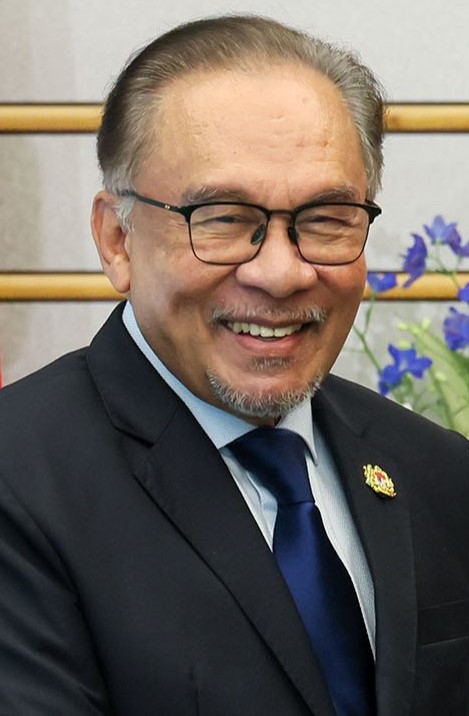
A Member of Parliament from Kedah has escalated a dispute with the Ministry of Higher Education by threatening to take the matter to court, standing firm on controversial allegations he made regarding what he characterised as 'backdoor' practices within the nation's tertiary education system. Haim Hilman Abdullah made it clear that he would not be backing down or retracting his claims, signalling his determination to pursue the confrontation through legal channels if necessary.
The escalating tension reflects broader concerns within Malaysia's political landscape about governance and accountability in the higher education sector. Universities across the country have long been subject to scrutiny regarding admission practices, staffing decisions, and institutional management. The dispute involving Haim Hilman Abdullah appears to centre on allegations of non-transparent processes that he believes circumvent established protocols within the higher education ministry's operations.
Political disputes of this nature are not uncommon in Malaysia, where parliamentarians frequently challenge government bodies on policy implementation and administrative conduct. However, the willingness of Haim Hilman Abdullah to pursue formal legal remedies demonstrates how seriously he views his allegations. Legal confrontation between individual lawmakers and government ministries can set significant precedents regarding parliamentary accountability and freedom of speech protections for elected representatives.
The 'backdoor' terminology deployed by the Kedah MP typically refers to undisclosed or irregular processes used to circumvent normal procedures. Within the context of higher education, such accusations could relate to university appointments, contract awards, or administrative decisions made outside conventional oversight mechanisms. The specificity of these allegations suggests they are grounded in documented concerns rather than general political posturing.
The Higher Education Ministry's apparent pressure on Haim Hilman Abdullah to retract his statements indicates institutional sensitivity to the allegations. Government agencies often respond defensively when parliamentary members raise public questions about their operational practices, particularly when those challenges could potentially damage institutional reputation or trigger regulatory investigations. The ministry's apparent stance may inadvertently amplify public interest in the original claims.
From a broader Southeast Asian perspective, Malaysia's experience with parliamentary scrutiny of higher education governance reflects regional trends. Throughout the region, universities face increasing pressure to demonstrate transparency and adherence to merit-based decision-making. Thailand, Indonesia, and the Philippines have each witnessed similar controversies involving allegations of irregular appointment processes and administrative irregularities within educational institutions. Malaysia's parliamentary system provides legislators with particular tools to challenge executive agencies on these matters.
The legal dimension of this conflict carries potential implications for parliamentary privilege and protected speech. Malaysian lawmakers enjoy certain immunities when making statements within Parliament or related parliamentary proceedings. However, accusations made outside parliamentary chambers or in public forums may receive different legal treatment. Haim Hilman Abdullah's decision to pursue court action suggests confidence in his evidentiary foundation and legal position regarding his original allegations.
The timing of this escalation may also reflect broader political dynamics within Malaysian governance. The relationship between the federal government and individual parliamentarians often fluctuates based on coalition alignments and political momentum. A lawmaker's willingness to initiate litigation against a government ministry indicates either strong conviction about the underlying issues or strategic political positioning that extends beyond the specific higher education allegations.
For Malaysian universities specifically, such public disputes can affect institutional credibility and stakeholder confidence. Students, parents, and international observers monitor how higher education institutions and overseeing government bodies respond to transparency challenges. Universities that successfully demonstrate accountable governance structures and transparent decision-making processes tend to strengthen their market position and attract quality applicants. Conversely, institutions or systems perceived as lacking transparency may face reputational damage that extends across multiple stakeholder groups.
The standoff between Haim Hilman Abdullah and the Higher Education Ministry will likely develop through multiple channels simultaneously. Parliamentary questions, government statements, potential media inquiries, and formal legal proceedings could all contribute to gradually revealing additional details about the underlying allegations. The outcome of this confrontation may influence how other parliamentarians approach scrutiny of higher education governance moving forward, potentially establishing norms around accountability in the sector.
Manitoba's educational governance structures and the broader framework of checks and balances within the Malaysian system will face implicit testing through this dispute. The eventual resolution, whether through legal determination, negotiated settlement, or administrative reform, could reshape relationships between legislative bodies and the education ministry. For Malaysian citizens and residents concerned with higher education quality and institutional accountability, the developments in this case warrant close observation as indicators of systemic transparency and responsiveness to parliamentary oversight.