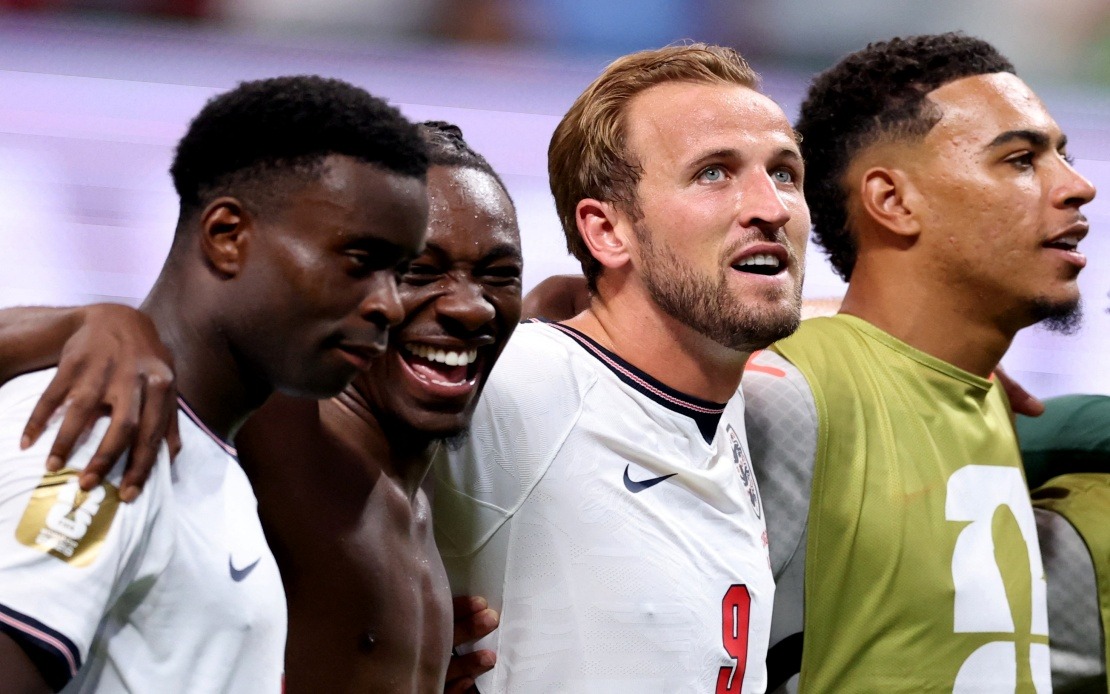
England's World Cup campaign teetered on the brink of disaster in Atlanta on Wednesday before Harry Kane's clinical finishing rescued Thomas Tuchel's side from an embarrassing first-round exit. The Manchester City striker's second-half brace completed a dramatic turnaround against the Democratic Republic of the Congo, earning the Three Lions a hard-fought 2-1 victory and a round-of-32 meeting with co-hosts Mexico at the Azteca Stadium. For England supporters conditioned by decades of tournament heartbreak, the relief was palpable—but the manner of the escape raises searching questions about their credentials for a deep run in this competition.
The parallels to England's humiliating 2-0 defeat to Iceland at Euro 2016 were uncomfortably close as Brian Cipenga's early goal gave Congo an unexpected lead. Playing in their first knockout match at this stage, the African underdogs exposed fundamental weaknesses in England's defensive structure and proved far more organised and dangerous than pre-match expectations had suggested. For stretches of the first half, Congo controlled proceedings and created genuine opportunities, with Yoane Wissa coming perilously close to doubling the lead when his effort crashed against the goalframe. The psychological weight of being behind to modest opposition clearly unsettled Tuchel's squad, and Kane himself had legitimate penalty claims waved away by the referee—a moment that could have shifted momentum entirely had it gone the other way.
England's goalkeeper faced an inspired performance from Congo's Lionel Mpasi, who made several crucial saves to keep his team ahead and frustrate the Three Lions' attacking options. The Congo custodian's composure and shot-stopping ability meant that despite England's superior possession and technical quality, they could not find the breakthrough through conventional means. This was not the dominant performance expected from a major tournament contender; instead, Tuchel's men laboured through much of the contest, with tension visibly rising among both players and coaching staff as the second half progressed. The audible frustration from the bench and the mounting desperation evident in their play suggested a team beginning to grapple with the possibility of an early exit.
Crucially, England's character and experience prevented panic from becoming panic. While they rode their luck at times and the contest remained in the balance, they maintained sufficient discipline to avoid conceding a second goal that would have ended their tournament. Substitute Anthony Gordon proved decisive, creating space and opportunities for Kane on two occasions in the closing stages. The first allowed Kane to level the match, and moments later Gordon's intelligent positioning set up the captain once more for the winner that sent relief coursing through the England support.
This comeback victory marks only the first occasion England have won a World Cup match after falling behind since their triumphant 1966 campaign, a gap that underscores how rarely their tournament record includes comebacks of substance. The fact that it required such a struggle against a side making their World Cup debut should give analysts and supporters pause. Mexico, their next opponents, represent a considerably more formidable challenge—a seasoned tournament side with World Cup pedigree and the significant advantage of playing at home in front of their own supporters at the Azteca.
The road ahead presents mounting difficulties for Tuchel's reconstruction project. While Kane's finishing ultimately proved decisive, the underlying performance suggested fragility in midfield and a defence capable of being disrupted by intelligent pressing and movement. Congo's willingness to work for each other and their refusal to be intimidated by England's reputation created problems that the Europeans took far too long to solve. Against the physical intensity and technical proficiency of Mexico, similar tactical vulnerabilities could prove catastrophic rather than merely inconvenient.
For Malaysian observers of world football, the encounter demonstrated the unpredictable nature of knockout football and how tournament psychology can swing on moments and individual talent. Kane's quality ultimately made the difference, but his heroics papered over concerning team-level issues that Tuchel must address rapidly if England is to progress further. The subsequent fixture against Mexico will provide a much sterner examination of whether this England team possesses the resilience and consistency required to challenge for the trophy, or whether Wednesday's narrow escape represents the beginning of another disappointing campaign for the perpetual tournament underachievers.

