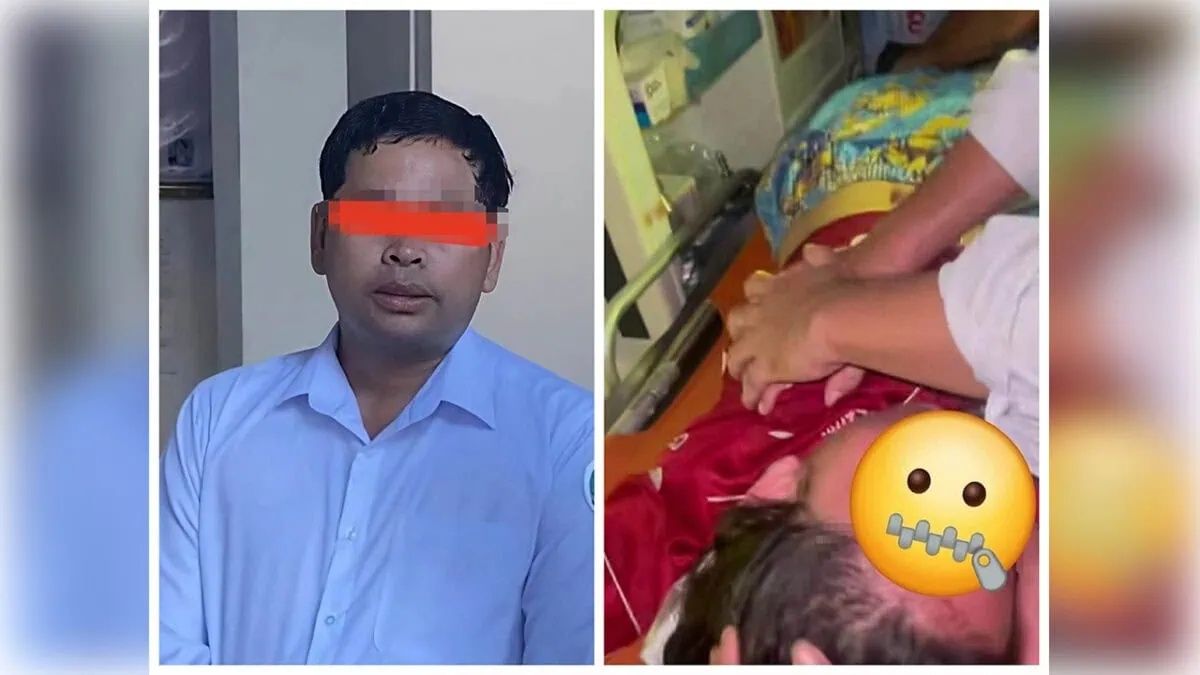
A senior health official in Cambodia's Kandal province has been stripped of his leadership role following public backlash over a video documenting his emergency treatment of a young patient. Provincial governor Kuoch Chamroeun issued an administrative order on Tuesday removing Chhun Phally as chief of Setbo Health Centre, effective immediately, and reassigning him to a subordinate position within the provincial health administration. The swift action underscores mounting pressure from the public and media scrutiny over how the medical intervention was conducted and whether it adhered to professional standards.
The controversy erupted after footage circulated widely on social media showing Phally administering first aid to a 17-year-old girl who had been brought to the health centre experiencing seizures and respiratory distress. According to the patient's family, a relative recorded the treatment to document her medical condition and keep other family members informed of her situation. However, the video subsequently spread across online platforms, triggering intense public debate and criticism regarding the appropriateness of the healthcare provider's conduct during the emergency response.
Social media users and observers levelled serious allegations against Phally's handling of the patient, with many contending that his treatment amounted to harassment and violated the teenager's fundamental dignity and rights. Beyond concerns about his behaviour, commentators questioned whether the medical procedures he employed during the resuscitation attempt conformed to established clinical guidelines and best practices for emergency care. The intensity of public concern reflected broader anxieties about standards within Cambodia's healthcare system and the vulnerability of patients, particularly minors, to potentially inappropriate treatment.
While the governor's formal order did not explicitly state the rationale for Phally's removal, observers noted that the reassignment arrived directly in response to escalating public pressure and media coverage of the incident. This timing suggests administrative concern about reputational damage and the need for decisive action to address public sentiment. The provincial government's swift response signals that officials recognised the sensitivity of the matter and the importance of demonstrating responsiveness to citizen concerns about healthcare standards.
The Kandal provincial health department launched a formal investigation into the incident to examine whether the medical procedures employed met professional standards and to determine whether any misconduct or violations of protocol had occurred. Acting provincial health director Kiem Piseth outlined the scope and potential consequences of the inquiry, indicating that the investigation would assess compliance with medical ethics and professional conduct. Significantly, Piseth stated that if findings revealed misconduct or sexual harassment, the response would extend beyond administrative discipline to include potential criminal proceedings, signalling the gravity with which authorities were treating the allegations.
In response to the escalating controversy, Phally issued a public statement apologising for any distress his actions may have caused the patient and her family. He emphasised that his sole motivation during the emergency was to preserve the teenager's life, and he explicitly denied any intention of sexually harassing or behaving inappropriately toward the patient. His apology attempted to reframe his conduct as a well-intentioned emergency response rather than misconduct, though this characterisation did not fully assuage public concern about whether proper procedures had been followed or patient dignity respected.
The incident has triggered a broader national conversation about professional ethics, accountability, and safeguarding mechanisms within Cambodia's healthcare system. Many commentators and observers have called for institutional reforms to strengthen protections for patient dignity and privacy while simultaneously ensuring that healthcare workers receive adequate training in emergency medical protocols and ethics. These concerns reflect wider anxieties about healthcare quality and patient safety across the region, where questions about medical professionalism and institutional oversight remain persistent challenges in developing healthcare systems.
For Malaysian and Southeast Asian readers, the case illustrates systemic challenges that extend across the region regarding healthcare governance, professional standards, and accountability mechanisms. Countries throughout the region share comparable concerns about ensuring healthcare workers maintain ethical standards, particularly in situations involving vulnerable populations such as minors. The incident also highlights the power of social media in Southeast Asia to rapidly mobilise public opinion around governance failures and institutional misconduct, often compelling swift official responses that might otherwise proceed more slowly through formal channels.
As of now, Cambodian authorities have not announced conclusions from their investigation or disclosed whether additional disciplinary or legal measures will be pursued against Phally. The outcome of this case will likely set precedents for how similar incidents are addressed within Cambodian healthcare institutions and may influence broader policy discussions about patient protection and professional accountability. The case underscores the ongoing tension between emergency medical responsiveness and the protection of patient rights, a balance that healthcare systems across Southeast Asia continue to navigate.

