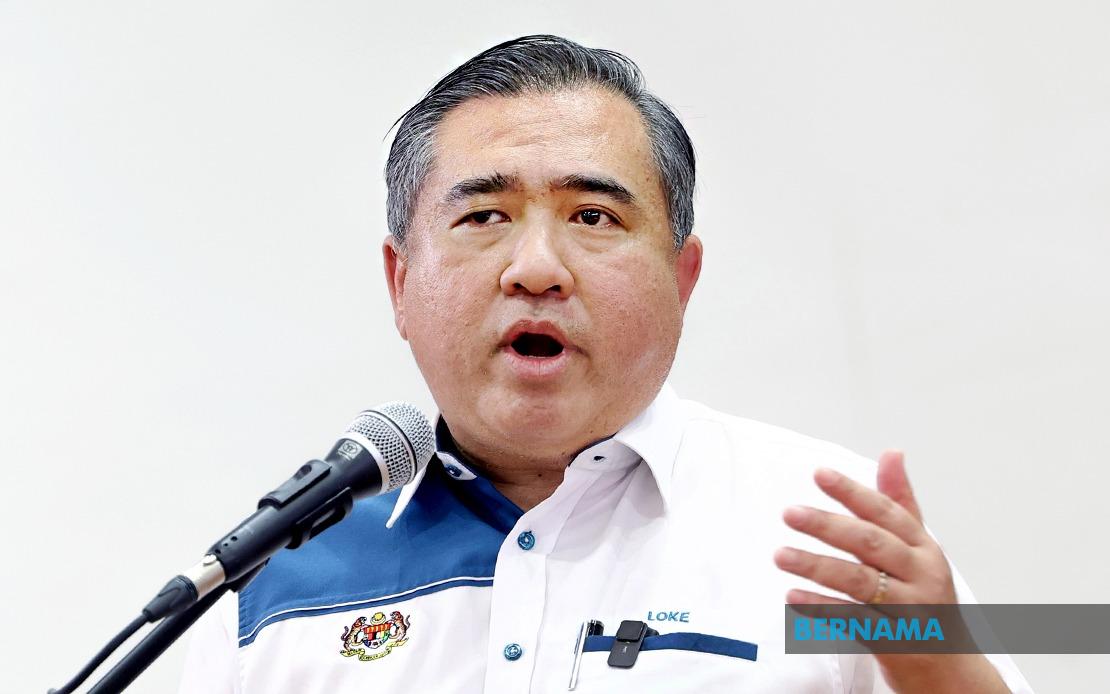
Transport Minister Anthony Loke has ordered the Road Transport Department (JPJ) to take enforcement action against motorcyclists riding without helmets during the Johor state election campaign, drawing evidence from viral social media recordings that captured the violations. The directive applies universally across all political parties and candidates, with no exceptions granted based on party affiliation or campaign status. This move marks a significant moment in Malaysia's ongoing struggle to balance campaign activities with public safety compliance.
Loke's announcement came after viral videos emerged showing Pakatan Harapan campaign workers, including members from the Democratic Action Party (DAP), riding motorcycles without proper safety equipment while conducting electoral activities in Johor. The visibility of these incidents on social media platforms prompted the ministry to respond, signalling a shift towards stricter enforcement during politically sensitive periods when road safety violations tend to be overlooked. The minister's swift action demonstrates an attempt to depoliticize traffic law enforcement, a persistent challenge in Malaysian electoral cycles.
The transport minister emphasised that his position on helmet compliance remains consistent and non-negotiable, regardless of which political movement is involved. He referenced his previous stance during the Slim by-election campaign nearly six years ago, when he raised similar concerns about Barisan Nasional leaders engaging in campaign activities without proper safety gear. Loke stated that campaign work by motorcycle is permissible under Malaysian law, but every rider must comply with mandatory helmet regulations and serve as a public example of responsible behaviour. This consistent principle, he argued, reflects his belief that road safety transcends partisan politics.
What distinguishes Loke's position is his willingness to apply enforcement against his own party members and campaign colleagues, a stance that carries particular weight given his role as DAP secretary-general. By explicitly stating that he will not compromise on the helmet requirement even for his political allies, Loke attempts to establish credibility on the principle of equal application of the law. This self-imposed strictness serves as a counterweight to widespread public perception that political connections often shield violators from traffic enforcement in Malaysia. However, such declarations also invite scrutiny regarding whether similar enforcement has been applied equally to other parties in past campaigns.
The JPJ's role in this enforcement action underscores the broader challenge of maintaining consistent traffic law compliance during election periods. Malaysia's road safety record remains problematic, with motorcyclists representing a disproportionate percentage of fatalities in road accidents. Helmet-wearing significantly reduces the severity of head injuries in motorcycle crashes, yet compliance rates drop notably during campaign seasons when riders prioritise movement and visibility over safety precautions. The decision to deploy enforcement resources during elections sends a message that road safety standards should not be suspended for political activity.
Loke's emphasis that road safety laws do not recognise political parties reflects a principle that, while theoretically sound, faces practical implementation challenges in Malaysia's polarised political environment. Previous election campaigns have witnessed instances where traffic laws were applied selectively, with perceptions of bias affecting public confidence in enforcement agencies. By publicly committing to equal enforcement, the minister is attempting to reset expectations about how regulatory bodies should function during contested electoral periods. The effectiveness of this approach will depend on sustained implementation across all political parties throughout the campaign duration.
The implications for Southeast Asian observer states are notable, as Malaysia's approach to balancing campaign freedoms with public safety compliance offers lessons in governance. Regional democracies often struggle with similar tensions between enabling candidates to reach voters and maintaining uniform enforcement of traffic regulations. The viral nature of these violations—captured and shared through social media rather than discovered through traditional police patrols—represents a modern challenge to enforcement patterns, where public exposure creates political pressure that traditional enforcement might not generate.
For Malaysia's broader road safety objectives, this campaign-period enforcement initiative provides an opportunity to reinforce helmet-wearing habits among motorcycle riders and the general public. Seasonal enforcement spikes, while not ideal from a consistent safety perspective, can have lasting impacts on public behaviour through increased awareness and normalisation of compliance. If the JPJ conducts visible, fair enforcement across all parties during the Johor campaign, it may establish a precedent that carries forward to subsequent electoral cycles. The enforcement actions will be scrutinised by opposition parties, civil society organisations monitoring electoral conduct, and the general public to assess whether the transport ministry's stated commitment to equal application reflects actual practice.
The challenge facing Loke's initiative involves resourcing adequate JPJ personnel to monitor campaign activities across Johor's diverse constituencies while maintaining normal traffic enforcement responsibilities. Election campaigns typically intensify motorcycle use as a convenient means for rapid candidate and worker mobility across polling areas. Enforcement teams must balance ticketing violators with avoiding disruption to legitimate campaign operations, a distinction that requires careful judgment and consistent application of standards. The availability of evidence through viral videos may facilitate identification of violators, but formal prosecution still requires documented evidence meeting legal standards.
Long-term success of this enforcement approach depends on political leadership maintaining the commitment beyond the current campaign cycle. If enforcement reverts to selective application once electoral pressure subsides, public trust in road safety law's neutrality will erode further. Conversely, sustained commitment to equal enforcement during campaigns establishes institutional norms that can gradually reshape how political parties conduct electoral activities. For Malaysian motorcyclists and the general public, the precedent being set here carries implications for future campaigns regarding expectations of compliance with safety regulations during politically significant periods.

