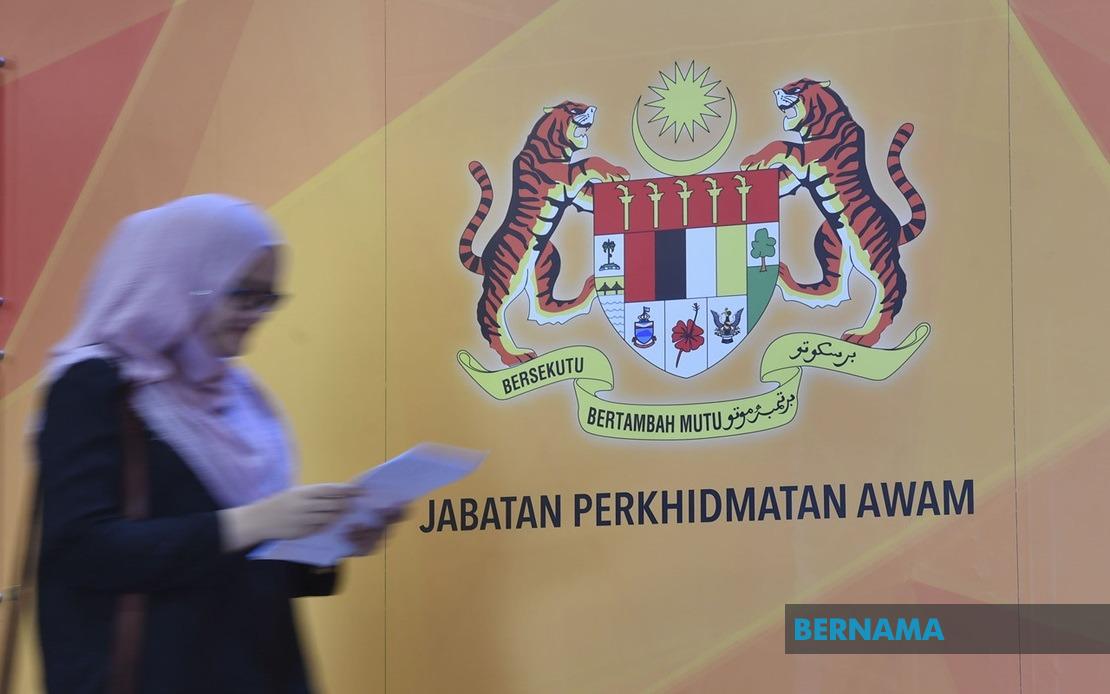
The Public Service Department has thrown open its doors to Malaysia's brightest secondary school graduates, announcing 640 sponsorship opportunities for those completing the Sijil Pelajaran Malaysia examination in 2026. This substantial allocation reflects the government's sustained drive to nurture talented young Malaysians capable of steering the nation towards greater international standing and economic competitiveness in an increasingly demanding global landscape.
The sponsorship package arrives as a cornerstone initiative of the MADANI Government's broader vision for human capital development. Officials emphasise that these opportunities are designed to identify and cultivate exceptional academic performers who can translate their expertise into meaningful contributions across Malaysia's priority sectors. By investing in tertiary education for high-achieving students, the government hopes to build a reservoir of skilled professionals equipped to address complex challenges in a knowledge-based economy.
The 640 slots are distributed across four distinct pathways, each tailored to different strategic objectives. The National Sponsorship Programme accounts for 30 positions, serving as a foundational tier within the overall scheme. A more expansive tier—the Special Programme for Japan, Korea, France and Germany—allocates 140 slots, reflecting Malaysia's deepening bilateral educational partnerships with these developed economies. The Special Programme for Domestic SPM Graduates offers 200 positions, prioritising studies at Malaysian institutions and ensuring that quality tertiary education remains accessible within the country. The largest component, the JPA-MARA Special Programme, or PKJM, distributes 270 slots, representing a collaborative approach between JPA and the Majlis Amanah Rakyat in supporting disadvantaged yet academically gifted students.
These programmes prioritise strategic and critical fields essential to Malaysia's future development trajectory. Engineering and technology remain cornerstone disciplines, reflecting the nation's push towards digital transformation and advanced manufacturing capabilities. Science disciplines sit equally high on the priority list, recognising that breakthrough innovations in biotechnology, pharmaceutical research, and environmental sustainability demand a steady pipeline of trained scientists. The inclusion of social sciences represents a more nuanced approach, acknowledging that Malaysia's development requires not only technical expertise but also researchers and policymakers grounded in economics, law, public administration, and cultural studies.
The geographic diversity of study destinations reflects Malaysia's strategic positioning within multiple regional and global networks. Students will have pathways to prestigious universities across North America and the Asia-Pacific region, including institutions in the United States, Australia, Japan, South Korea, France, Germany, the United Kingdom and New Zealand. This international exposure offers multiple advantages: exposure to different educational philosophies and research methodologies, networking opportunities with global peer cohorts, and the chance to develop cultural competencies essential for careers in increasingly multinational workforces. Simultaneously, the inclusion of Malaysian institutions ensures that students have quality domestic options, reducing financial strain on families and encouraging talent retention within the country.
Successful applicants will be supported through the Academic Merit-Based Convertible Loan scheme, introduced by JPA in June 2025. This financial mechanism represents a departure from traditional outright grants, incorporating both incentive and accountability dimensions. The convertible loan structure rewards demonstrated academic excellence while imposing performance expectations on recipients. Students maintaining strong academic standing throughout their tertiary education may see portions of their loans converted to grants, creating a direct link between achievement and financial benefit. This approach aims to cultivate a culture of sustained academic rigour rather than treating sponsorship as a one-time opportunity.
The application assessment process has already concluded, with results becoming available to candidates through JPA's online portal. Applicants were able to access their outcomes from 10 am on the announcement date through 5 pm on June 22, allowing sufficient time for successful candidates to prepare for the next stages and unsuccessful applicants to explore alternative pathways. This transparent, technology-enabled process reduces administrative burden and provides immediate feedback to thousands of students and families simultaneously.
For Malaysian parents and students, these sponsorships represent a life-altering opportunity, particularly for families with limited financial resources. Access to quality tertiary education at world-class institutions would otherwise remain beyond reach for many talented but economically disadvantaged students. The programme thus functions as a social mobility mechanism, enabling capable individuals to transcend socioeconomic barriers and realise their potential. From a national perspective, this democratisation of access to premium education strengthens the talent pool available to employers and research institutions, reducing skills shortages and supporting Malaysia's ambition to ascend the value chain in global competition.
The announcement underscores JPA's commitment to balancing multiple objectives: fostering academic excellence, supporting strategic national priorities, promoting international engagement, and ensuring domestic institutional strength. By structuring the sponsorship allocation across four programmes with distinct characteristics, JPA acknowledges that Malaysian talent flows through multiple channels and that different cohorts—whether exceptionally gifted students, those with specific geographic or institutional preferences, or those from marginalised backgrounds—require differentiated support mechanisms. This diversified approach maximises the probability of identifying and nurturing Malaysia's future leaders across an appropriately broad spectrum.

