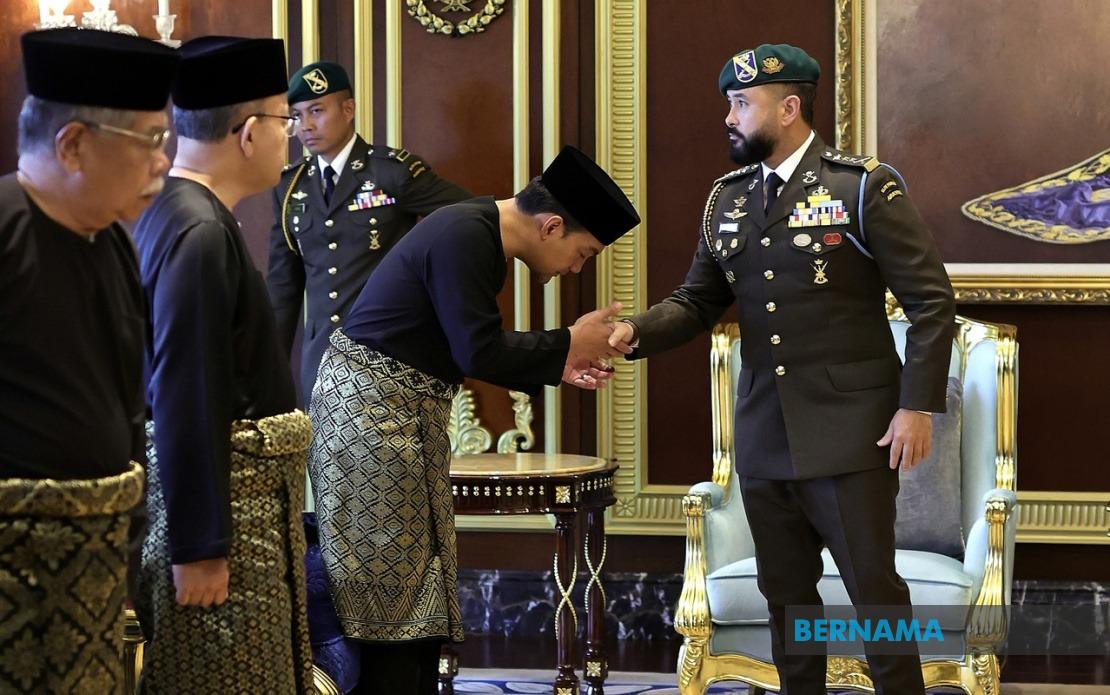
Johor's freshly constituted State Executive Council will undergo its formal swearing-in ceremony at Istana Bukit Serene tomorrow, marking the official commencement of a new chapter in the southern state's political leadership. The ceremonial proceedings at the royal palace will be presided over by Tunku Mahkota Ismail, the Regent of Johor, underlining the constitutional significance of the occasion within Malaysia's constitutional monarchy framework.
The gathering represents a culmination of the electoral process that unfolded just days ago, with the palace having extended formal invitations to key political figures and media representatives. Menteri Besar Datuk Onn Hafiz Ghazi, who was sworn in individually on July 12 following his reappointment, will be joined by other cabinet appointees during the collective oath-taking. Among those expected to witness the proceedings are Datuk Dr Abdul Rahim Ramli, president of the Johor Council of Royal Court, and state secretary Datuk Mohammed Ridha Abd Kadir, demonstrating the ceremonial weight attached to the event.
Media coverage of the occasion has been formally organized, with journalists permitted access from both main entrances of the palace starting at 9.30 am. This openness to press attendance reflects standard practice in Malaysian state affairs, ensuring public accountability and transparency in governmental transitions. The arrangement allows citizens to observe the formal establishment of their state administration through news reporting.
The swearing-in comes on the heels of Barisan Nasional's commanding performance in the 16th Johor State Election held on July 13. The coalition secured 48 of the 56 available state assembly seats, translating to a supermajority that grants substantial legislative and executive latitude. This electoral mandate provides the incoming cabinet members with a clear popular endorsement to pursue their governance agenda without the impediments that minority governments typically face.
For Malaysian political observers, Johor's election result carries broader implications for the country's overall political trajectory. As one of Malaysia's most electorally significant states and a traditional stronghold of establishment politics, the emphatic nature of Barisan Nasional's victory reinforces the coalition's resurgence at the state level following mixed fortunes in recent national contests. The magnitude of the win—capturing approximately 85 per cent of available seats—suggests substantial voter confidence in the coalition's state-level administration and policy direction.
The formation of the new executive council will determine the distribution of ministerial portfolios and departmental responsibilities across Johor's sprawling administrative structure. These assignments carry considerable weight, as they determine which cabinet members oversee crucial areas such as economic development, agriculture, education, health, and infrastructure. Given Johor's status as an economic powerhouse driving substantial portions of Malaysia's southern regional growth, the decisions made by this cabinet will influence investment flows, employment patterns, and development trajectories across multiple sectors.
Onn Hafiz Ghazi's return to the Menteri Besar position following the strong electoral showing validates the leadership direction adopted during his previous term. His reappointment and the subsequent swearing-in of his full cabinet team represent a mandate for continuity combined with renewal—retaining experienced political leadership while potentially introducing fresh perspectives through newly appointed exco members. This balance between institutional memory and fresh talent often characterizes successful state administrations in Malaysia's federal structure.
For Johor's citizenry and business community, the ceremony tomorrow essentially formalizes the governmental structure under which they will operate for the next electoral cycle. Entrepreneurs, civil servants, and community leaders will need to establish working relationships with their respective state cabinet counterparts, making the official unveiling of the full cabinet line-up a practical necessity beyond its ceremonial dimensions. The composition of the exco will signal governmental priorities and policy emphasis for the coming term.
The deployment of Tunku Mahkota Ismail as the presiding dignitary underscores the constitutional parameters within which Malaysian state governance operates. The regent's participation reinforces the constitutional monarchy's continuing relevance in state-level affairs, demonstrating how Malaysia's federal system maintains royal institutional involvement even as democratic processes determine electoral outcomes. This interplay between constitutional monarchy and democratic governance remains a defining characteristic of Malaysia's political architecture.
Looking forward, the newly sworn-in cabinet faces a complex governance landscape. Johor must balance economic development aspirations with social welfare commitments, infrastructure investment with fiscal prudence, and state autonomy with federal coordination requirements. The electoral mandate provides political capital, but translating popular support into effective governance requires skilled administration, strategic resource allocation, and responsive policymaking. The weeks and months following tomorrow's ceremony will determine whether this cabinet can capitalize on its strong electoral foundation to deliver tangible improvements in citizen welfare and economic opportunity.

