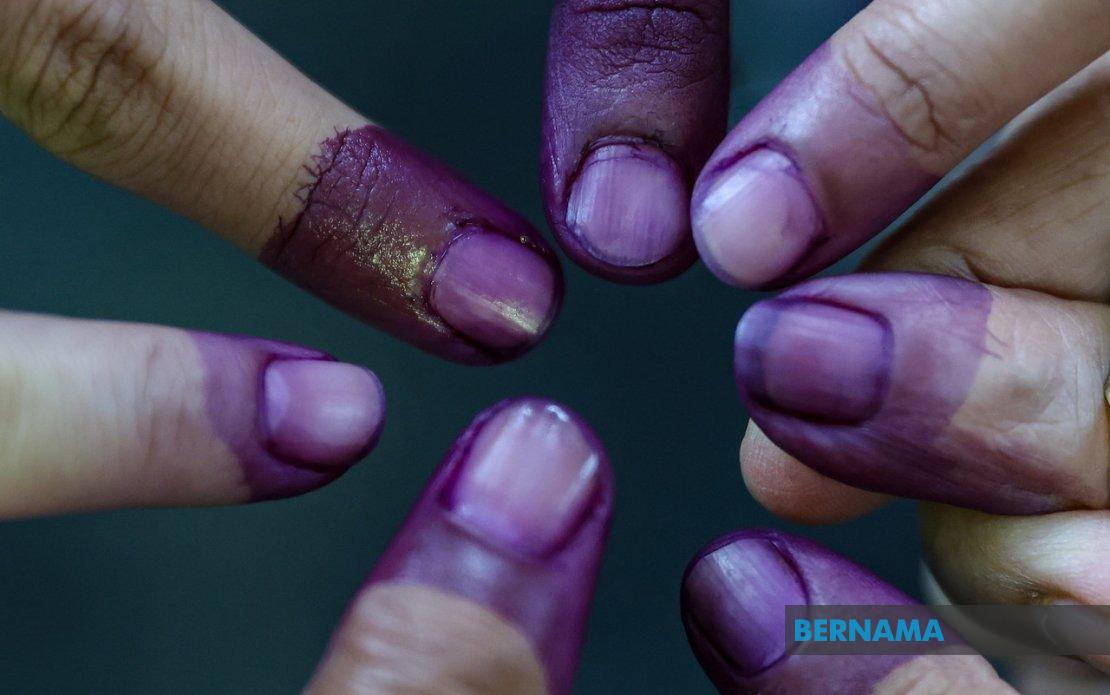
Voters heading to the polls in Johor on July 11 discovered that their participation in the 16th state election came with an unexpected bonus: access to a treasure trove of food and beverage discounts across the state. The purple indelible ink traditionally marking one's finger after casting a ballot has long served as a safeguard against electoral fraud, but on this election day, it evolved into something far more tangible—a legitimate "discount ticket" that major chains were eager to honour. What began as a civic duty became transformed into a modest yet popular reward system, with participating businesses seizing the opportunity to celebrate democratic participation whilst driving customer traffic through their outlets.
The Coffee Bean & Tea Leaf led the promotional push, extending a straightforward 20 per cent discount on selected items to any customer who presented an inked finger, though the offer was limited to election day only. This selective approach encouraged voters to visit participating outlets before the marks faded, creating a natural urgency to redeem the offers. Meanwhile, Krispy Kreme kept its promotion simple and enticing, offering customers an Original Glazed doughnut at just RM2 for those displaying their voting mark at selected Johor locations, with the caveat that availability depended on stock levels. The American doughnut chain's rock-bottom pricing on an iconic menu item signalled confidence that the promotion would drive sufficient volume to justify the discount structure.
Other major chains embraced the trend with their own creative offerings. Burger King extended its campaign across two days by providing a complimentary Soft Serve Cone ice cream with any set meal purchase, recognising that not all voters would visit on election day itself. Marrybrown, a popular Malaysian fried chicken brand, contributed one free piece of fried chicken with the purchase of any MB Combo when customers presented their indelible marks. These promotions, though individually modest in monetary value, collectively created a diverse reward ecosystem that appealed to different consumer preferences and price points, from budget-conscious diners to those seeking quick treats.
The phenomenon rapidly gained traction on social media platforms, with voters enthusiastically documenting their post-ballot "reward stops" and sharing photos of their inked fingers alongside freshly purchased meals and drinks. This organic social amplification demonstrated how the promotions tapped into a genuine sentiment—the desire to celebrate and recognize participation in the democratic process. The visibility of these posts likely encouraged additional voters to seek out participating outlets, creating a self-reinforcing cycle of engagement and foot traffic. For the participating brands, the social media exposure provided authentic, user-generated marketing that conveyed both the promotion itself and the broader message of civic celebration.
Understanding the significance of the indelible ink system provides important context for appreciating why retailers embraced these promotions. The Election Commission of Malaysia first deployed indelible ink as an anti-fraud mechanism during the Kuala Besut by-election in 2013, introducing the measure specifically to prevent instances of multiple voting and to strengthen the overall integrity of Malaysia's electoral system. Since that initial implementation, the distinctive purple mark has become an instantly recognizable symbol of electoral participation across the country. By linking their promotions directly to the ink mark, participating businesses were essentially monetizing and celebrating a security feature that Malaysians have come to accept and expect as part of the voting experience.
The scale of the Johor election underscored the potential reach and significance of these promotional efforts. More than 2.6 million eligible voters descended on polling stations across the state to elect representatives to the 56 seats in the State Legislative Assembly, making this one of Malaysia's largest state-level democratic exercises. A total of 172 candidates contested the election, representing a diverse political spectrum: Pakatan Harapan and Barisan Nasional each fielded 56 candidates, while Perikatan Nasional presented 33, Parti Bersama Malaysia offered 15, MUDA submitted four, and smaller parties and independent candidates completed the roster with a combined seven nominations. This intense electoral competition meant significant voter engagement and turnout, expanding the pool of potential promotion beneficiaries.
The promotional strategy revealed sophisticated understanding of consumer behaviour and electoral timing. By restricting most offers to election day or the immediate aftermath, retailers created urgency and ensured that the promotions remained fresh and directly connected to the voting experience rather than becoming permanent discounts. The variety of participating brands—ranging from international chains to homegrown Malaysian operators—reflected broad recognition across the F&B sector that election day represented a unique opportunity to engage with a geographically dispersed, motivated consumer base. Moreover, the promotions served a practical function: they encouraged voters to celebrate their participation, potentially fostering positive associations with the electoral process itself and reinforcing the social norm of voting.
From a broader perspective, these Johor promotions illustrate how commercial interests and civic engagement can intersect productively. Rather than viewing election day as a disruption to normal business operations, participating retailers creatively leveraged the occasion to strengthen community connections whilst driving sales. The approach normalizes electoral participation as something worthy of public celebration and commercial recognition, subtly reinforcing the importance of voting within popular culture and everyday commercial interactions. For voters, particularly first-time participants or younger demographics, the promotions added a tangible, immediate benefit to the act of voting, even if that benefit was modest.
The phenomenon also highlighted emerging social media dynamics in Malaysian electoral cycles. The viral nature of voter posts showcasing their inked fingers and promotional rewards demonstrated how election day has increasingly become a social occasion, documented and shared across digital platforms. This represents a generational shift in how citizens experience and communicate about voting, transforming a traditionally private civic act into a shared, celebrated, and publicly documented event. The brands capitalizing on this trend were essentially inserting themselves into voter narratives, positioning themselves as supporters and celebrants of democratic participation whilst simultaneously gaining authentic social media content and customer engagement.
Looking forward, the Johor election day promotions likely established a template that other states and commercial sectors will monitor closely. As Malaysia continues to hold regular state and federal elections, the success of these F&B promotions in driving customer engagement whilst celebrating civic participation suggests that similar campaigns may become increasingly common. For election authorities, the phenomenon also subtly reinforces public confidence in electoral procedures: by making the indelible ink mark not just a safeguard against fraud but also a publicly celebrated badge of voting participation, the system gains additional legitimacy and social endorsement. The Johor experience demonstrates that election integrity measures and commercial marketing can coexist in ways that ultimately serve to strengthen both democratic engagement and community spirit.

