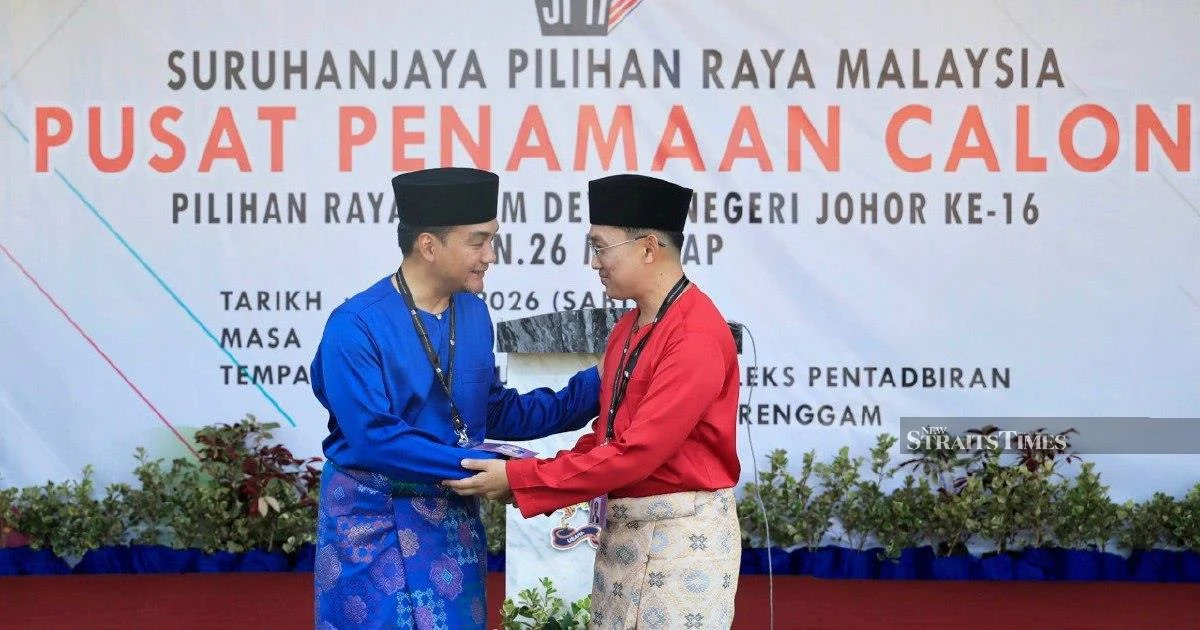
Caretaker Menteri Besar Datuk Onn Hafiz Ghazi has struck a note of caution as Johor heads towards a significant electoral contest, acknowledging that the political landscape remains unpredictable despite his intention to secure a second term. Speaking from Simpang Renggam, the BN-backed leader suggested that complacency could prove costly, underscoring the competitive nature of the Machap constituency battle.
The July 11 state election represents a critical juncture for Johor's political direction. As caretaker head of government, Onn Hafiz's comments reflect the stakes involved in retaining control of the state, which has long been regarded as a BN stronghold. His measured approach stands in contrast to overconfident political messaging, instead emphasising the need for mobilisation and ground-level engagement to ensure victory.
Machap, the constituency Onn Hafiz represents, carries symbolic weight in Johor politics. The outcome here will likely serve as a barometer for broader electoral sentiment across the state. By publicly acknowledging that outcomes remain uncertain, the caretaker leader appears to be tempering expectations while simultaneously rallying party machinery to intensify campaign efforts in the crucial final stretch.
Johor's electoral significance extends beyond the state itself. As Malaysia's second-largest state by population and a traditional BN bastion, any shift in voting patterns here could influence national political calculations. The election comes at a time when Malaysian politics remains fluid, with various coalitions repositioning themselves ahead of potential federal-level contests. A strong performance would strengthen BN's narrative of continued relevance, while any slippage could embolden opposition forces testing support in traditionally safe territories.
Onn Hafiz's tenure as Menteri Besar since 2022 has been marked by efforts to position himself as a pragmatic administrator focused on economic development and service delivery. His re-election bid builds on this narrative, though he appears keenly aware that electoral mathematics cannot be assumed. The invocation that "anything can happen" suggests recognition of multiple variables at play—from shifting voter sentiment to ground-level competition from rival candidates.
The Machap contest itself reflects broader dynamics within Johor's political ecosystem. The constituency encompasses a mix of urban and semi-rural voters with diverse socioeconomic interests. Securing this seat requires BN to maintain its traditional support base while also appealing to voters concerned about cost-of-living pressures and development priorities. Onn Hafiz's caution suggests that internal surveys may show tighter margins than publicly acknowledged.
Opposition parties have been attempting to consolidate support across Johor, framing the election as an opportunity for change. While BN retains structural advantages including incumbency and machinery, the broader Malaysian political context has demonstrated that assumptions about safe seats can prove unfounded. The caretaker leader's rhetoric appears designed to counteract potential complacency within BN's own ranks while managing external perceptions of confidence.
For Malaysian observers, this election carries implications beyond Johor's borders. The state's performance will test whether BN's national coalition-building efforts have successfully renewed voter confidence or whether challenges around governance, representation, and policy delivery continue to resonate negatively. The election also represents an opportunity for smaller parties within various coalitions to demonstrate their relevance and potential to influence outcomes in key constituencies.
Onn Hafiz's emphasis on uncertainty also reflects the practical challenges of campaigning in contemporary Malaysia. Voter volatility has increased significantly over the past decade, with constituencies that were once considered certain now demonstrating capacity for dramatic shifts. Digital mobilisation, grassroots engagement, and direct voter communication have become increasingly important in countering traditional party machinery advantages.
The July 11 poll will require BN to execute effective ground-level operations across Johor's multiple constituencies while maintaining the messaging that has framed Onn Hafiz's administration as competent and forward-looking. The caretaker leader's public acknowledgement of competitive pressures indicates awareness that victory requires sustained effort rather than reliance on historical voting patterns.
As campaigns intensify in the weeks leading to polling day, Johor's election will likely serve as a testing ground for various political strategies and coalition approaches. Results could influence how both BN and opposition groupings approach subsequent electoral contests, potentially reshaping Malaysia's political trajectory. The outcome in constituencies like Machap will be particularly scrutinised as indicators of whether traditional political certainties remain valid in Malaysia's evolving democratic landscape.

