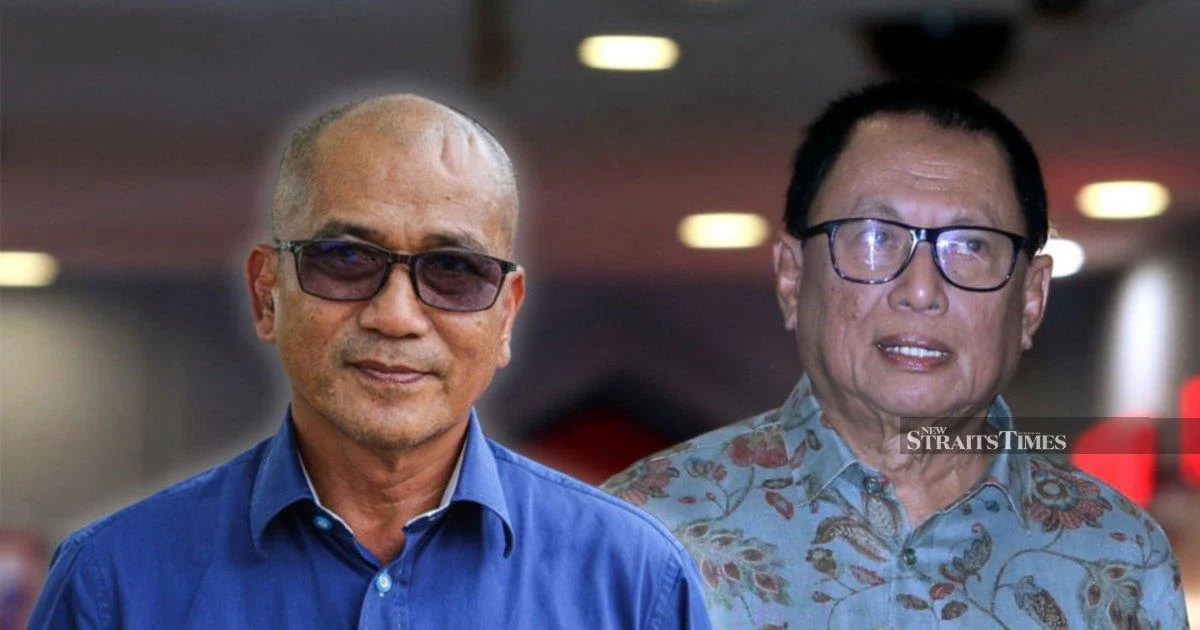
JOHOR BARU: Senior figures within Johor Umno have moved swiftly to counter what they characterise as serious and unfounded accusations levelled by Datuk Dr Mohd Puad Zarkashi, the state's former legislative assembly speaker, concerning the dissolution of the state assembly on June 1. Party officials have been unequivocal in their denials, treating the allegations as grave slander that warrants public rebuttal.
The dissolution of the Johor state assembly in early June marked a significant political juncture for the state government. The decision to call snap elections ahead of the original timeline triggered considerable speculation within political circles about the motivations and procedures involved. Such decisions typically involve complex constitutional considerations and strategic political calculations, making transparency regarding the reasoning behind the dissolution a matter of legitimate public interest.
Puad Zarkashi's position as the former speaker of the state assembly places him in a unique vantage point from which to observe parliamentary procedures and constitutional protocols. His willingness to make public allegations suggests he possesses direct knowledge or observations from his previous role. The former speaker's decision to speak out publicly indicates a significant breach in party unity, raising questions about the nature of disputes within Johor Umno's upper echelons that prompted such a vocal dissent from a senior figure.
The Umno response represents an attempt to contain potential damage from the allegations through a categorical denial strategy. By labelling the claims as slander rather than engaging substantively with the specific accusations, party leadership appears to be drawing a line in the sand regarding what it views as acceptable criticism from its own members. This approach suggests confidence in their narrative but also highlights the seriousness with which they regard the threat posed by a credible internal critic.
The timing of this dispute carries implications for Umno's organisational cohesion within Johor at a particularly sensitive moment. The state represents a crucial political stronghold for the party and the broader Barisan Nasional coalition. Internal conflicts of this magnitude, particularly involving respected figures who have held high constitutional office, risk eroding public confidence in the party's institutional competence and decision-making processes. Voters across Malaysia and particularly in Johor will be observing how such internal disputes are managed and resolved.
For Malaysian observers accustomed to the nuances of state-level politics, the Johor situation reflects broader tensions that have characterised Umno's internal dynamics in recent years. The party has experienced repeated rifts between different factions, with senior figures occasionally breaking ranks to air grievances publicly. The emergence of such conflicts during periods of political transition often reflects deeper strategic disagreements about the party's direction and the wisdom of particular political manoeuvres.
The dissolution itself warrants examination in the context of Malaysia's broader political landscape. Early assembly dissolutions are sometimes viewed as tools through which governments attempt to capitalise on perceived political advantages or consolidate power before anticipated shifts in public sentiment. Understanding the actual reasoning behind Johor's June 1 decision therefore remains relevant to assessing whether all constitutional and procedural norms were properly observed in the process.
Puad Zarkashi's allegations, whatever their specific content, represent a challenge that demands clarity from Umno leadership. A simple blanket denial, while legally safe, may prove insufficient to restore public confidence if questions persist about procedural irregularities or departures from established practice. The party faces a choice between continuing to dismiss the allegations or providing detailed explanations that address the substance of concerns raised by a credible source.
The controversy underscores the importance of institutional safeguards and transparent processes surrounding consequential political decisions in Malaysian states. When figures with direct access to parliamentary procedures and constitutional matters raise concerns, those concerns deserve examination regardless of internal party tensions. The integrity of state legislative institutions depends upon processes being executed with proper regard for established protocols and constitutional requirements.
Looking ahead, the manner in which this dispute concludes will communicate important messages about Umno's internal culture and its commitment to accountability. Whether the party can resolve concerns raised by Puad Zarkashi—or alternatively, whether it can satisfactorily demonstrate that his allegations lack substantive foundation—will influence perceptions of Johor Umno's institutional credibility. For voters and observers across Southeast Asia watching Malaysian politics, the transparency with which such internal disputes are handled matters greatly to assessments of democratic health and institutional reliability in the region's largest economy.

