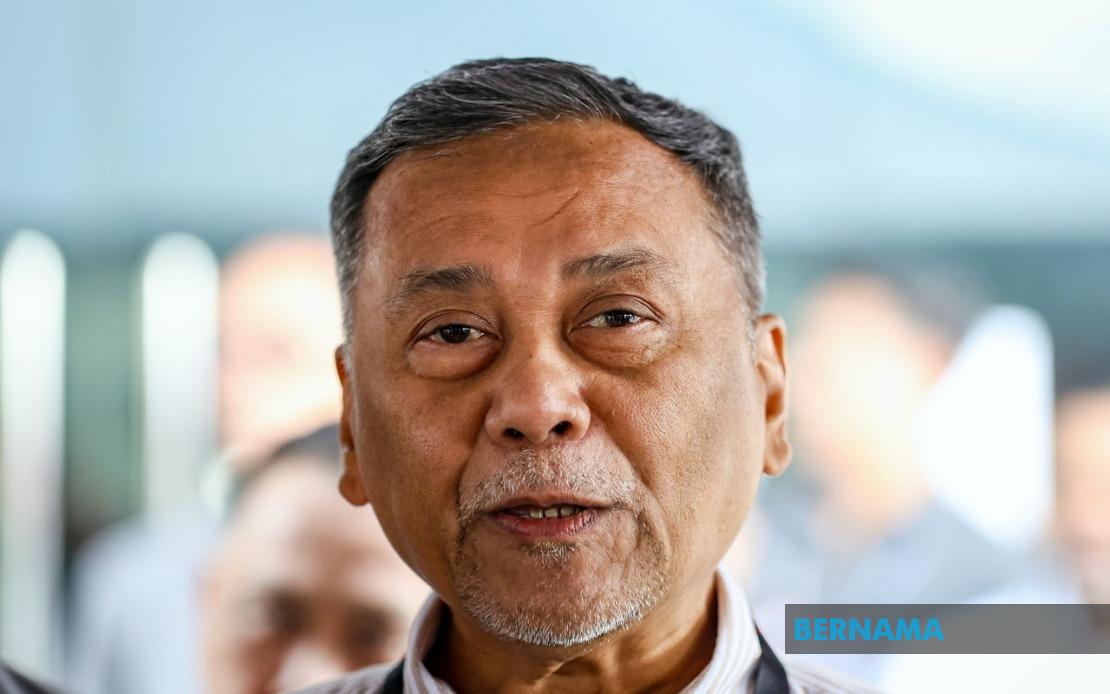
The Election Commission has projected that approximately 70 per cent of eligible voters will cast ballots in the Johor state election scheduled for tomorrow, signalling strong public engagement with the electoral process. EC chairman Datuk Seri Ramlan Harun made the forecast in Pontian, citing observable trends from the campaign period that demonstrate substantial citizen interest in participating in their democratic rights. The anticipated turnout reflects both vigorous political campaigning across the state and heightened public consciousness regarding the significance of electoral participation.
Ramlan's projection rests on careful monitoring of voter sentiment and behaviour during the campaign phase. He noted that the enthusiasm demonstrated by the electorate, combined with the intensity of political activities leading up to polling day, pointed towards participation levels substantially above typical benchmarks. The EC chairman characterised the current political climate as one marked by exceptional public interest, distinguishing this election from previous contests through the visible engagement of voters from various demographic segments across Johor.
A total of 2.7 million registered voters across the state are entitled to participate in tomorrow's election. This substantial electoral roll represents diverse constituencies spread across both urban and rural areas, encompassing major population centres as well as more geographically remote regions. The breadth of the eligible voter base underscores the scale of logistical coordination required to manage polling operations effectively across such a wide territory.
Polling stations will commence operations at 8 am, though closure times will vary considerably depending on geographical location and accessibility considerations. Most conventional centres, numbering 1,114 in total, will close at 6 pm to allow adequate time for the majority of voters to cast their ballots. However, several island polling locations face earlier closure times due to transportation constraints and tidal considerations. The island of Pulau Besar, situated approximately thirty minutes from Mersing by boat, will close its polling centre at 11 am, while both Pulau Aur and Pulau Pemanggil will shut down operations at noon. Additional centres closing at 2 pm number seventeen, with a further forty-two facilities concluding at 4 pm.
The staggered closure schedule reflects the EC's pragmatic approach to managing geographically fragmented polling across an archipelagic state. For island voters, the early closing times accommodate the logistical realities of maritime transport and ensure that ballot boxes can be securely transferred to counting centres before nightfall. This arrangement demonstrates the Commission's sophisticated understanding of Johor's unique electoral geography, which encompasses significant island populations whose participation might otherwise be compromised by accessibility challenges.
Security and operational integrity of the election hinges on mobilising substantial personnel resources. The EC has deployed 43,036 election workers throughout Johor to administer polling procedures, manage voter queues, and maintain orderly conduct at all voting centres. This workforce represents a significant commitment of human resources, tasked with ensuring that polling operations proceed smoothly across hundreds of locations simultaneously. These workers undergo specialised training to handle procedural requirements, verify voter eligibility, and manage the physical logistics of ballot distribution and collection.
Postal voting has also featured prominently in this election cycle, with 24,677 postal ballot papers distributed to eligible voters unable to attend physical polling centres. These ballots carry strict timing requirements, as all postal votes must arrive at the EC offices before the 6 pm closure deadline tomorrow. The postal voting mechanism accommodates citizens residing overseas, those unable to travel to polling centres due to employment or health circumstances, and other exceptional cases. However, the compressed timeframe for postal vote receipt underscores the importance of early submission by voters utilising this alternative method.
The EC has undertaken extensive coordination with security and military agencies to address logistical challenges inherent in the election process. In particular, the transportation of ballot boxes from island locations necessitated detailed planning involving both the Royal Malaysia Police and the Malaysian Armed Forces. These entities provide crucial support in ensuring secure conveyance of voting materials across sea routes where commercial transport options may be limited. Contingency protocols have been established to manage unforeseen circumstances such as adverse weather conditions or maritime accidents that might disrupt the planned transport schedule.
The projected 70 per cent turnout would represent a notably high participation rate reflective of strong public confidence in electoral institutions and political engagement across Johor. Should this forecast materialise, it would suggest that campaigns successfully mobilised voters across diverse regions and demographic groups. High turnout typically indicates that electoral competition has captured public attention and that citizens perceive meaningful choice between contending parties and candidates. The EC's confidence in this projection, grounded in observations during the campaign period, suggests that conditions favour robust democratic participation in this significant state election.
For Malaysian voters and political observers across Southeast Asia, the Johor election represents an important test of how electoral systems function in a major state with complex geography and diverse populations. The EC's meticulous planning demonstrates institutional competence in managing complex electoral logistics while maintaining transparency and security. The expected strong turnout reflects confidence in democratic processes, even as Johor's unique geographical and demographic characteristics require specialised administrative approaches. The results emerging from tomorrow's polling will provide insights into voter preferences and political trends within one of Malaysia's most populous and economically significant states.

