The early voting phase for Johor's 16th state election is proceeding without incident, with security personnel demonstrating solid participation rates as of mid-morning on July 7. Police figures released during the day indicate that 4,257 officers stationed throughout the state had already exercised their voting rights by 10:30 am, representing 36.3 per cent of the constabulary eligible to vote early. This contingent—comprising members of the Royal Malaysia Police and the Malaysian Armed Forces—were accommodated at 53 designated polling centres scattered across the state, facilitating their participation ahead of the general public vote scheduled for Saturday.
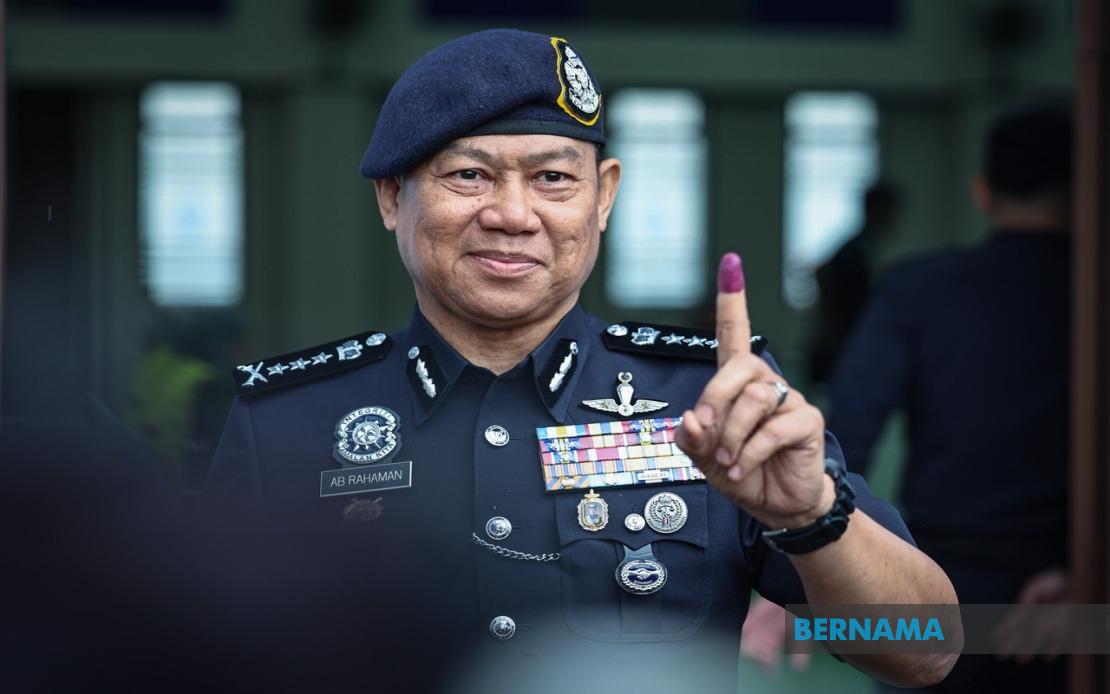
Johor's police leadership has emphasized the orderly nature of these proceedings, underscoring an absence of disruptions or security concerns that might compromise the integrity of the electoral process. Datuk Ab Rahaman Arsad, heading the state's police contingent, confirmed that voting operations remained calm throughout the morning shift, with no material incidents documented at any of the early voting facilities. His remarks to the media came immediately after he himself cast a ballot at the Johor Police Contingent Headquarters, the principal voting hub for the force. The absence of complaints or procedural irregularities at this early stage suggests that the special voting arrangements for uniformed personnel are functioning as intended, though definitive turnout figures will only emerge once all voting locations have closed and ballots are tallied.
The infrastructure supporting early voting has been substantial in scale. Sixty-four separate polling venues opened their doors simultaneously at eight in the morning, collectively processing 20,607 registered early voters whose occupations or duties warranted advance polling opportunities. The staggered closure times—ranging from noon to six in the evening depending on venue location and voter registration numbers—reflect careful logistical planning to accommodate varying circumstances across the state. This phased approach to early voting serves a critical function in Malaysian elections, permitting essential personnel to fulfil their civic responsibilities without undermining security operations or institutional continuity.
The broader electoral context involves a substantially enlarged candidate pool competing for representation. A total of 172 individuals are standing for election across the 56 state assembly constituencies, providing voters with diverse options and reflecting the competitive intensity of this cycle. The general electorate encompasses more than 2.7 million registered voters, making this one of Johor's most significant electoral exercises. The size of both the candidate pool and the voting population underscores the state's political importance within the Malaysian federation and the stakes involved in determining its legislative direction.
Campaign conduct has occupied police attention throughout the lead-up to polling day, with law enforcement priorities centering on electoral integrity and the prevention of misconduct. Datuk Ab Rahaman indicated that the preponderance of police reports filed during the campaign period pertained to vandalism targeting campaign paraphernalia—specifically the removal, defacement, or destruction of party flags and political billboards. While such incidents are regrettable, their relative prevalence suggests that more serious breaches of electoral rules have been minimal, at least from the perspective of police intervention.
A more significant matter commanding ongoing investigation involves allegations of institutional interference in the dissolution of the Johor state legislature. Former State Assembly Speaker Datuk Dr Mohd Puad Zarkashi claimed that the Palace had exerted improper influence over the parliamentary procedures leading to the assembly's dissolution. Police received 153 reports nationwide relating to these allegations by the afternoon of July 7, prompting investigations that remain active. The sensitivity surrounding this matter reflects deeper questions about constitutional processes and the proper balance between executive authority and traditional institutional prerogatives, issues that resonate beyond Johor's boundaries given their implications for understanding Malaysian governance architecture.
For Malaysian voters and observers, early voting turnout among security forces frequently serves as an informal barometer of broader electoral engagement and confidence in the process. The 36.3 per cent participation rate among eligible police personnel by mid-morning suggests reasonable enthusiasm for participation, though final figures may shift as the day progresses. Historically, security forces have demonstrated voting participation rates comparable to or exceeding general population turnout, reflecting their civic consciousness and institutional cultures emphasizing electoral participation as a duty.
The smooth administration of early voting carries implications extending beyond Johor's immediate political calendar. Election Commission performance in managing these special voting arrangements influences public confidence in the electoral machinery and validates the parallel systems required to balance security needs with democratic principles. The absence of reported irregularities or administrative friction suggests that procedures established for earlier voting have matured sufficiently to handle execution without significant operational friction, a prerequisite for the larger task of managing Saturday's general polling across the state.
Regional observers and political analysts will scrutinize Saturday's results not only for their bearing on Johor's governance trajectory but also as indicators of sentiment across the broader Southeast Asian region. State elections in Malaysia's most industrialized and economically dynamic states carry weight beyond their local consequences, potentially signaling shifts in voter preferences that may echo through subsequent federal electoral contests. The campaigning during this cycle has evidently involved contentious matters touching constitutional governance and institutional authority, suggesting that Saturday's outcome may reflect voter judgments on these higher-stakes questions, not merely routine partisan competition.
As the state heads toward the main polling exercise, the successful management of early voting operations provides administrators with operational confidence for the expanded logistics required to process 2.7 million voters across 56 constituencies. The coordination demonstrated thus far among electoral authorities, security agencies, and polling infrastructure suggests adequate preparation for the challenges ahead. Whether Saturday's turnout among the general electorate matches or exceeds the early participation rate of 36.3 per cent will likely depend on competing factors including weather conditions, voter engagement levels regarding the contested issues at stake, and any last-minute developments affecting electoral momentum.

