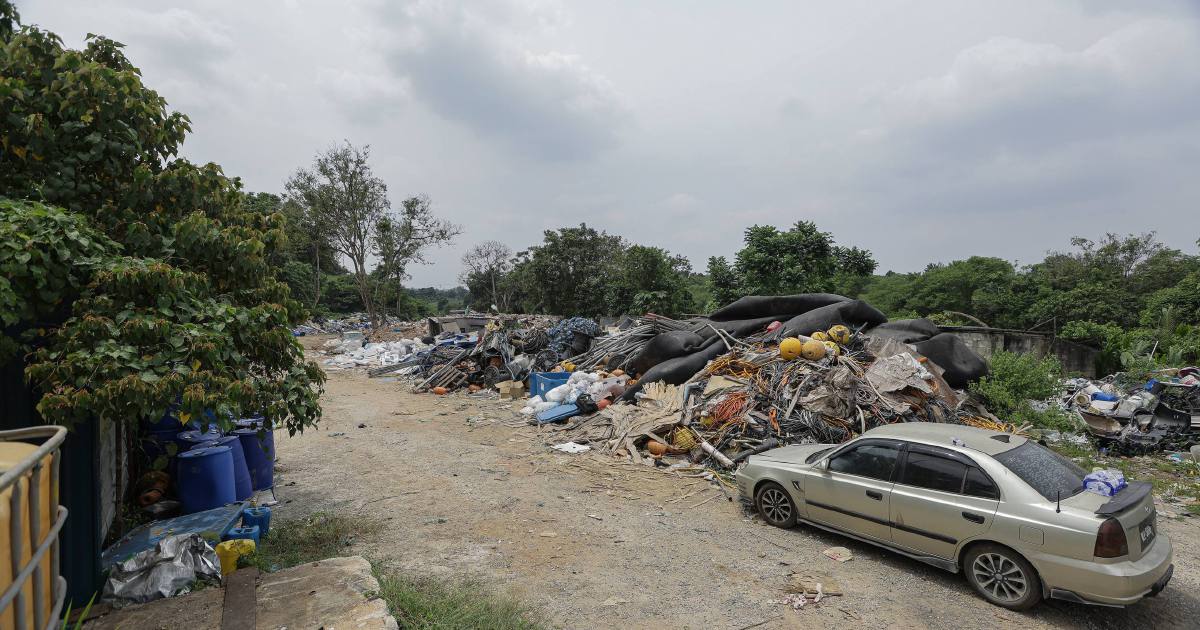
Johor has moved to establish a coordinated multi-agency task force to undertake a thorough investigation into mounting allegations that construction waste from Singapore is being illegally disposed of at various locations throughout the Pontian district. This development represents a significant escalation in regional environmental oversight and underscores growing concerns about cross-border waste management practices affecting Malaysian territory.
The formation of this dedicated task force reflects heightened vigilance on the part of state authorities regarding transboundary environmental violations. Rather than handling such matters through conventional departmental channels, the decision to assemble specialists from multiple agencies signals the complexity and potential scale of the dumping operations under scrutiny. This approach aligns with international best practices for investigating sophisticated environmental crimes that typically require coordination between environmental officers, land administrators, enforcement personnel, and other relevant authorities.
Pontian, located in the southwestern corner of Johor adjacent to Singapore's western corridor, has become an increasingly sensitive area for monitoring cross-border environmental compliance. The district's geographic proximity to Singapore's construction and demolition industry, which generates substantial volumes of waste material annually, creates vulnerability to illicit disposal schemes. Such activities exploit the regulatory differences between jurisdictions and the challenge of maintaining consistent enforcement across international boundaries.
The implications of alleged construction waste dumping extend beyond immediate environmental remediation concerns. Uncontrolled disposal of construction materials containing potentially hazardous substances poses risks to soil integrity, groundwater resources, and local ecosystems. For Pontian's residents and businesses, particularly those engaged in agriculture and aquaculture, contaminated land presents serious economic and health consequences that could persist for years without proper investigation and remediation.
From a bilateral perspective, this investigation touches on established frameworks governing environmental cooperation between Malaysia and Singapore. The two nations maintain mechanisms for addressing cross-border environmental concerns, yet enforcement challenges often arise when waste flows occur through informal channels rather than through official ports or designated transfer points. The task force's findings could inform discussions between relevant authorities in both countries regarding strengthened monitoring procedures and enhanced accountability measures.
The specific locations mentioned in the dumping allegations warrant careful examination to determine patterns and timing. Understanding whether waste materials were deposited at scattered sites or concentrated in particular areas helps investigators identify source points, identify transport routes, and potentially trace responsibility to specific contractors or waste disposal companies. This forensic analysis forms a critical foundation for any enforcement action or legal proceedings that may follow the investigation.
Construction waste management has become increasingly scrutinized across Southeast Asia as rapid urban development generates unprecedented volumes of demolition and building debris. Malaysia's own waste management framework has been strengthened in recent years, yet the nation continues to grapple with illegal dumping practices, often facilitated by insufficient disposal capacity in certain regions or insufficient cost differentials that make legal disposal less attractive than clandestine alternatives. The Pontian situation illustrates how this regional problem manifests in real-world environmental threats.
The task force's investigation will likely examine documentation trails including transportation records, waste manifests, facility permits, and financial transactions to establish culpability. Singapore-based companies involved in construction or demolition work maintain detailed operational records; Malaysian investigators will need to determine whether materials officially destined for licensed Singapore facilities actually reached their declared destinations or were diverted to Pontian sites. Such document analysis often proves decisive in environmental enforcement actions.
Local community engagement represents another critical dimension of this investigation. Residents and businesses in affected areas possess firsthand knowledge of dumping activities, transport vehicle movements, and timeline details that official records may not capture. Environmental investigations that lack community input frequently miss important contextual information or fail to identify all affected sites. Effective task force operations typically include mechanisms for confidential reporting from concerned residents seeking accountability without personal risk.
The resource implications of establishing and operating a multi-agency task force deserve consideration. Coordinated investigations require sustained funding, dedicated personnel, specialized equipment for site analysis, and potentially external expertise. The duration of the investigation will depend on the number of sites requiring examination, the volume of materials involved, and the complexity of establishing responsibility chains from disposal sites back to original sources.
Successful outcomes from this investigation could establish important legal precedents regarding cross-border environmental liability. If definitive evidence emerges linking specific entities to the illegal dumping, enforcement actions could serve deterrent functions for other potentially non-compliant operators. Conversely, findings that exonerate certain parties or identify systemic weaknesses in waste tracking systems may prompt regulatory refinements benefiting both jurisdictions.
The investigation's timeline and eventual findings will significantly influence public confidence in environmental protection mechanisms. As Johor communities anticipate results, the credibility of regulatory agencies depends on demonstrating rigorous, transparent inquiry processes that follow evidence impartially. Clear communication regarding investigation progress and preliminary findings, where appropriate, helps maintain public trust while the detailed technical work proceeds.
Beyond the immediate Pontian situation, this task force initiative represents an important statement of governmental commitment to environmental stewardship and territorial sovereignty. It demonstrates that suspected transboundary environmental violations will trigger proportionate investigative responses rather than being tolerated as unavoidable consequences of regional development.

