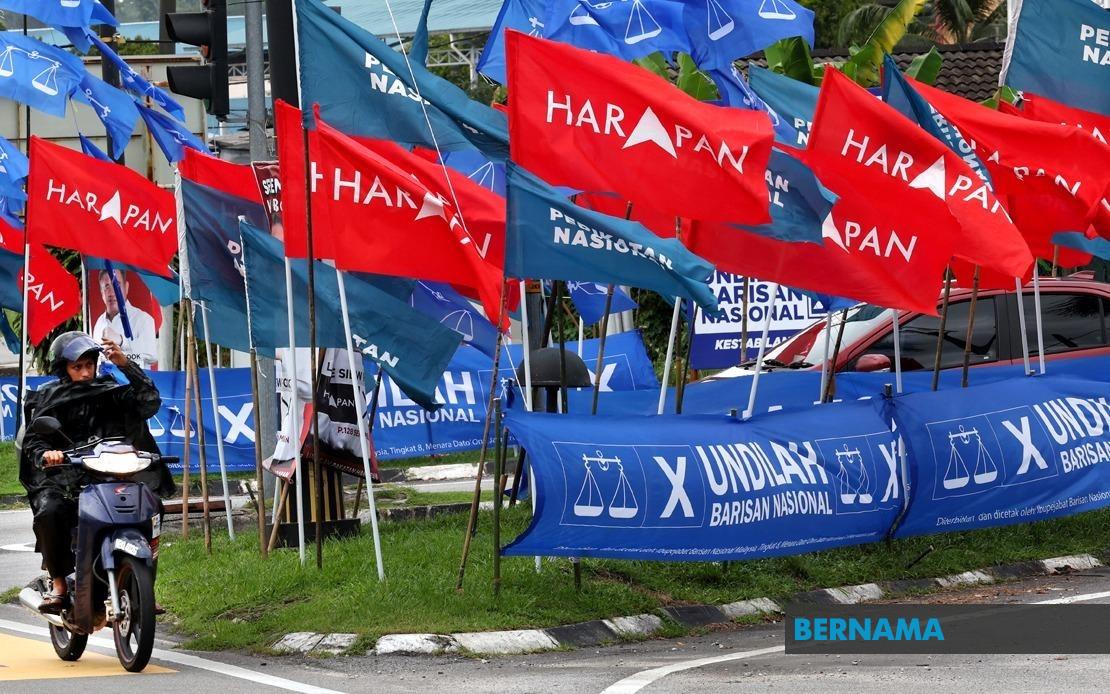
The 16th Johor state election campaign has reached fever pitch with fewer than two days remaining before the campaign trail officially concludes at midnight tomorrow. Across the state, candidates representing Pakatan Harapan, Barisan Nasional, Perikatan Nasional, and smaller parties are executing final push strategies to secure voter support ahead of Saturday's polling day. The frantic activity reflects the competitive nature of the race, with 172 candidates vying for 56 state seats across Johor, a battleground state that has emerged as crucial to Malaysia's broader political realignment.
The involvement of top national leadership has substantially energised campaign operations in the closing hours. Prime Minister Datuk Seri Anwar Ibrahim, who chairs Pakatan Harapan, is undertaking a concentrated campaign blitz tonight featuring appearances at three pivotal locations, with particular focus on Puteri Wangsa—a constituency closely watched by analysts as an indicator of voter sentiment. This level of intervention from the national leadership underscores the strategic importance the coalition places on retaining or expanding its Johor foothold. The visibility of federal figures serves multiple purposes beyond direct canvassing: it signals party confidence, elevates local candidates' profiles, and provides media momentum during the critical final window.
Pakatan Harapan's ground game has maintained aggressive momentum despite reaching the campaign's thirteenth day. Maszlee Malik, the PH candidate for Puteri Wangsa, has adopted modern digital strategies to mobilise supporters, leveraging social media platforms like Instagram to drive attendance at the coalition's planned "Grand Finale Harapan Johor Selatan" rally. His messaging employs contemporary psychology, invoking the concept of fear of missing out to encourage voter participation. This blending of traditional mass rallies with targeted digital communication reflects how Malaysian political campaigns have evolved to engage voters across generational and technological divides. Meanwhile, Dr A. Ruban, PH's Paloh candidate, has returned to campaigning after a brief medical absence, signalling determination to maintain momentum in his constituency despite personal health challenges.
Packatan Harapan's internal party machinery has also mobilised to support competitive races. Johor PKR chairperson Datuk Seri Dr Zaliha Mustafa participated in a motorised convoy campaign in Kemelah involving 120 motorcyclists, demonstrating how parties are channelling grassroots enthusiasm into visible public demonstrations of support. These convoy-style campaigns serve to generate visual spectacle, boost volunteer morale, and create a sense of movement and momentum that can influence undecided voters observing political activity in their communities.
Barisan Nasional's leadership has equally intensified its final campaign phase. Coalition chairman Datuk Seri Dr Ahmad Zahid Hamidi conducted personal campaign visits to Endau and Kempas constituencies, a move designed to reinvigorate party workers and project confidence among candidates facing the home stretch. Johor Menteri Besar Datuk Onn Hafiz Ghazi, who is BN's Machap candidate, has maintained continuous campaigning across his constituency while leveraging Instagram to directly address Johorean voters. His video messaging represents an attempt to transcend traditional media filters and speak directly to the electorate. In Larkin, BN candidate Mohd Hairi Mad Shah has implemented a structured "Ziarah Kasih" programme focused on personal constituent engagement, emphasising the coalition's development agenda through direct voter conversations rather than rally-based campaigning.
Perikatan Nasional has pursued a high-profile strategy through its planned Endau mega rally, which will feature the coalition's chairman Datuk Seri Ir Dr Ahmad Samsuri Mokhtar alongside PAS president Tan Sri Abdul Hadi Awang. This event demonstrates PN's emphasis on assembling prominent religious and political figures to bolster candidate campaigns. The presence of Abdul Hadi Awang carries particular symbolic weight given PAS's electoral base and its influence within the Perikatan framework. PN's Kahang candidate Mazlan Bujang has articulated the strategic thinking behind last-minute ground operations, emphasising that every voter interaction remaining represents a meaningful opportunity to consolidate support. This perspective underscores the marginal nature of many state races, where final conversations can determine electoral outcomes.
Smaller political entities are also participating in the final campaign phase with distinct approaches. Parti Bersama Malaysia has deployed a "Bersama Tour Truck" initiative featuring candidate Sahrudin Omar in Kota Iskandar, while Larkin candidate Norsinah Abu has prioritised intimate community dialogues over large-scale rallies. These strategies suggest that smaller parties recognise their capacity constraints but seek to maximise impact through targeted, relationship-based engagement. The diversity of campaign methodologies across parties reflects varying assessments of voter preferences and resource availability.
The intensity of final-stage campaigning reflects the genuine uncertainty characterising Johor's electoral landscape. Unlike elections where dominant parties are assured of victory, this contest appears genuinely competitive across multiple constituencies, explaining why all major coalitions are investing substantial resources and leadership attention during these final hours. The saturation of campaign activity—from motorcyclist convoys to mega rallies to door-to-door visits to social media appeals—suggests parties believe the election remains winnable and that voter persuasion remains possible until polls open on Saturday.
For Malaysian political observers, the Johor election carries implications extending beyond state boundaries. Results will provide indicators of voter sentiment towards the Anwar Ibrahim government, the traditional dominance of BN structures in East Coast and rural Johor, and the viability of PN as a genuine electoral force. The state's significance as a populous, economically important territory makes its outcome consequential for federal political dynamics. The frenetic final campaign period suggests all parties expect a closely contested result where organisation, messaging effectiveness, and voter mobilisation will prove decisive.

