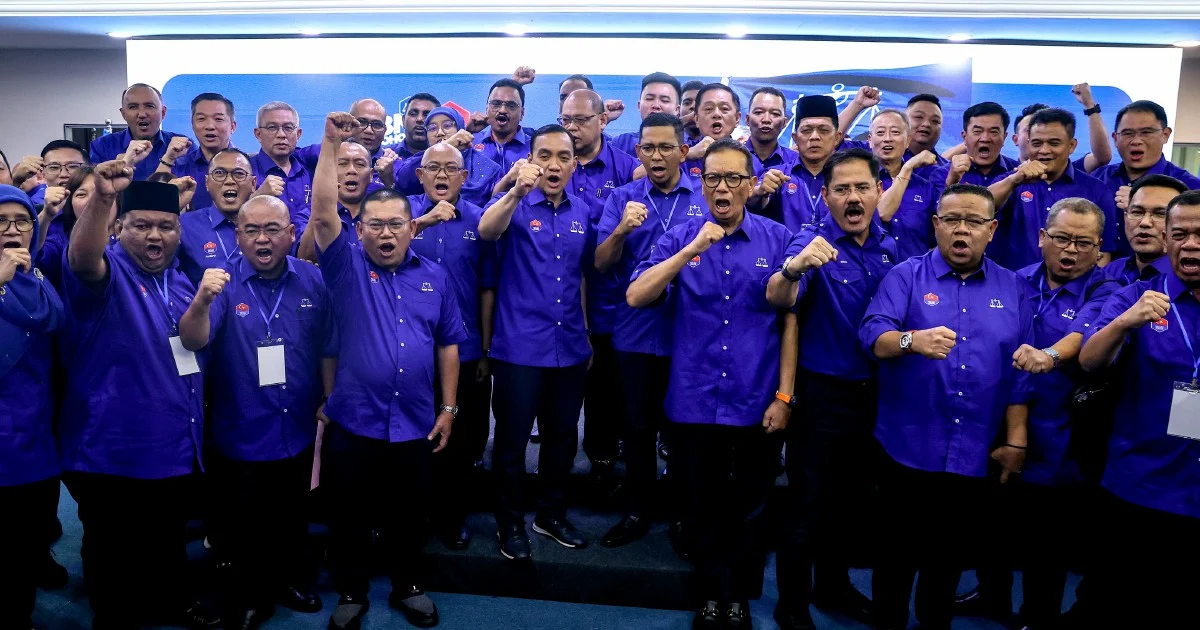
The prospect of an unprecedented political realignment in Johor has dimmed considerably following Barisan Nasional's announcement of its election candidates, with no members of Parti Wawasan Negara securing nomination as BN standard-bearers. The revelation effectively terminates weeks of discussion about whether the traditional BN-PAS cooperation could be expanded into a broader coalition framework encompassing the newer Wawasan party.
Political observers had anticipated the possibility of Wawasan—a relatively nascent player in the Malaysian political landscape—being incorporated into BN's machinery as part of a wider attempt to consolidate anti-opposition forces in the state. Such an arrangement would have represented a significant departure from conventional coalition politics, potentially offering Wawasan greater electoral viability through BN's institutional resources and voter networks. The idea gained traction amid broader discussions about stabilising the political environment ahead of state-level contests across the country.
The absence of any Wawasan candidates on the final BN ticket underscores the pragmatic calculations that typically govern coalition formation in Malaysian politics. BN decision-makers evidently determined that incorporating Wawasan would deliver insufficient electoral advantage to justify the complexities of managing another coalition partner. This assessment reflects both the party's limited existing presence in Johor and the established strength of BN's traditional machinery, which remains capable of contesting seats without external bolstering.
Wawasan, which emerged on the national political stage relatively recently, faces considerable challenges in establishing itself as a viable electoral force. Unlike established parties with deep roots in state politics and entrenched support networks, newer parties must build credibility and voter confidence from the ground up—a particularly arduous task in a state like Johor, where traditional power structures remain robust. The failure to secure BN endorsement represents a meaningful setback in the party's efforts to gain political traction and relevance in a fiercely competitive environment.
The decision also reflects the confidence BN retains in its own standing within Johor. As the state that has served as the traditional stronghold of the ruling coalition, Johor continues to represent strategically crucial territory for BN's national political fortunes. Party leadership evidently believes that existing alliances with established partners—particularly PAS—provide adequate coverage for maximising electoral returns without diluting decision-making authority by admitting additional coalition members.
PAS's role in Johor politics adds another dimension to understanding BN's calculation. The Islamist party has established itself as a significant player in state politics, with its own organisational capacity and voter constituencies. The BN-PAS collaboration operates within a framework both parties understand and have refined over multiple electoral cycles. Introducing Wawasan into this arrangement would have necessitated renegotiating internal agreements regarding resource allocation, seat distribution, and strategic decision-making—complications that BN apparently judged unnecessary.
For Johor voters and the broader Malaysian electorate observing state-level politics, the clarity provided by BN's decision-making matters considerably. Electoral contests function most effectively when political alignments are transparent and voters understand which parties are genuinely cooperating versus merely coordinating rhetorically. Persistent ambiguity about potential three-way arrangements would have muddied the political landscape and complicated voting calculations for those seeking to support anti-opposition blocs.
Wawasan now confronts a narrower strategic pathway forward in Johor. The party may contest seats independently, seeking to carve out niche support among voters dissatisfied with larger parties, or pursue alignment with non-BN coalitions. Neither option offers obvious advantages, given the fragmentation that would result from independent contestation and the limited appeal of joining opposition pacts for a party with centrist positioning. The Johor outcome suggests that Wawasan will need to demonstrate stronger electoral performance or broader policy resonance before establishing itself as an attractive coalition partner for major players.
The implications extend beyond Johor specifically. State elections across Malaysia increasingly function as rehearsals for national political configurations, with patterns emerging in one jurisdiction often previewing developments in others. BN's straightforward decision to proceed without Wawasan signals broader confidence in the coalition's foundational strength and suggests that leadership views Wawasan as not yet ready for integration into major political frameworks. This assessment may influence how other BN-led state organisations approach potential collaborations with newer or smaller parties in forthcoming contests.
The episode also underscores the distinction between speculation and substantive political commitment. Weeks of discussion about a three-way alliance provided interesting material for political commentary and analysis, but proved ultimately unmoored from the actual preferences and calculations of decision-makers. In Malaysian politics, as elsewhere, such preliminary discussions frequently dissipate when parties confront genuine questions about power-sharing, candidate selection, and electoral resource allocation—domains where hard interests quickly supersede theoretical possibilities.
Moving forward, attention will shift toward monitoring whether Wawasan successfully contests Johor seats independently, how PAS coordinates its efforts with BN candidates, and whether the coalition's strategy delivers the electoral performance leadership expects. These elements will collectively determine whether BN's approach to the state election proves strategically sound or whether excluding Wawasan from the candidate slate represents a missed opportunity for consolidating opposition forces more comprehensively.

