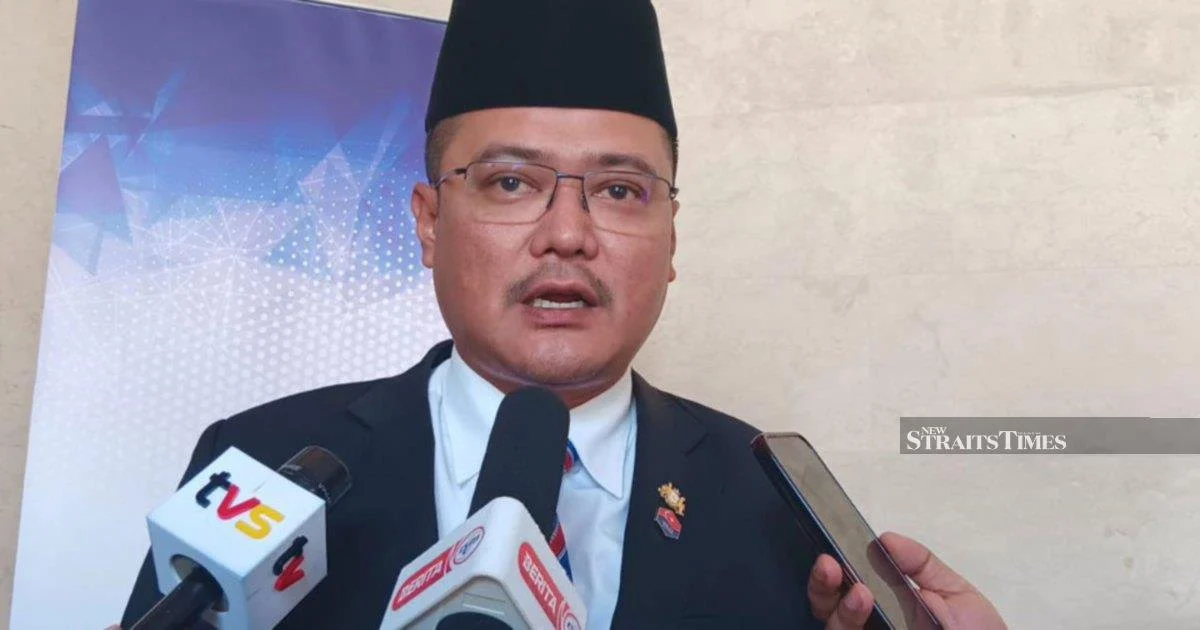
The Johor Barisan Nasional coalition launched a forceful rebuke against former state legislative assembly speaker Datuk Dr Mohd Puad Zarkashi, characterizing his recent allegations as baseless, severe, and fundamentally irresponsible. The confrontation marks an escalation in internal political tensions within the state's ruling establishment, signalling deeper fractures in what was once a unified political front in the southern peninsula.
Dateak Dr Mohd Puad's allegations appear to centre on claims linking the Johor palace to specific political decisions, accusations that strike at sensitive institutional relationships between the monarchy and elected government. The former speaker's statements have triggered a defensive response from the coalition, which views such claims as threatening to the delicate constitutional balance that underpins Malaysia's system of governance. For Malaysian readers accustomed to observing Johor's political stability as a barometer of national cohesion, this confrontation carries implications beyond state-level maneuvering.
Umno Youth leadership has escalated the dispute by asserting that hundreds of party members and supporters have lodged police reports in response to Puad's allegations. This mobilisation of grassroots complaints represents a calculated political tactic designed to amplify pressure and demonstrate organizational strength. The youth wing's involvement underscores how intra-party disputes increasingly spill into law enforcement channels, transforming what might once have been settled through internal party mechanisms into matters of official investigation and public record.
The nature of these allegations carries constitutional significance that extends beyond Johor. Malaysia's constitutional framework carefully delineates the roles of the monarchy and the elected executive, and any suggestion of inappropriate palace interference in political decision-making touches on fundamental governance principles. The Johor palace, one of Malaysia's four royal houses with significant constitutional authority, occupies a particularly important position in state politics, and allegations questioning this balance resonate with broader concerns about institutional independence.
Dateak Dr Mohd Puad's position as former speaker places him in a unique vantage point from which to observe state legislative processes and political dynamics. His transition from an influential position within the state assembly to a position of public criticism suggests either significant policy disagreement or broader friction over institutional respect and authority. Former office holders frequently possess detailed knowledge of political decision-making processes, lending potential credibility to their claims even as they carry the risk of being perceived as motivated by personal grievance.
The timing of these allegations and their subsequent rejection deserve careful consideration. Political disputes in Johor do not emerge in isolation but rather reflect tensions within the broader national Umno structure and the ongoing competition between different factional interests. The state serves as a crucial powerbase for multiple national political figures, making local disputes potential indicators of shifting alignments at the federal level. Malaysian political observers routinely scrutinize Johor developments for signals about broader national trajectories.
The invocation of police reports as a response mechanism illustrates how Malaysian political disputes increasingly seek legitimacy through formal legal processes. Rather than relying solely on political denunciations or party mechanisms, contemporary disputes frequently involve criminal complaints, internal investigations, and public assertions of legal action. This trend reflects both the polarization of Malaysian politics and the strategic value of framing political disputes as matters of law and order rather than mere partisan disagreement.
For the Barisan Nasional coalition in Johor, the united public response reflects an effort to present organizational cohesion despite internal divisions. The coalition's strong language and dismissal of the allegations aim to shield institutional credibility and prevent narrative dominance by critics. However, such vigorous denials sometimes paradoxically amplify public interest in the original allegations, creating a communication challenge that political organizations must navigate carefully.
The broader implications for Malaysian governance merit consideration. Questions about palace involvement in political decisions, whether substantive or merely perceived, touch on issues that have periodically troubled Malaysia's constitutional system. The constitutional role of the monarchy, particularly at state level, remains a topic that generates sensitivity across the political spectrum. Allegations and their subsequent contestation can influence public confidence in institutional separations of power, regardless of factual accuracy.
This episode illustrates the fractious nature of contemporary Malaysian politics, where former allies become public adversaries and disputes that might once have remained within closed party circles now become matters of police investigation and media scrutiny. For those tracking Johor's political dynamics and their national implications, the unfolding situation between Barisan Nasional leadership and Datuk Dr Mohd Puad Zarkashi warrants close observation as additional details emerge through investigations and potential legal proceedings.

