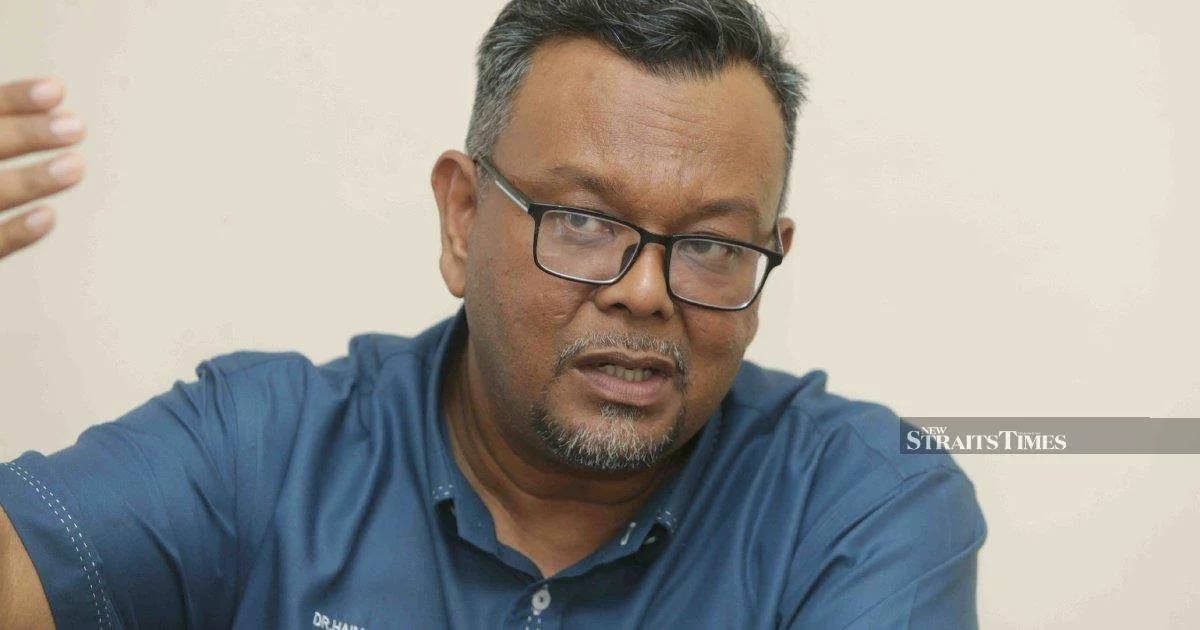
Dr Haim Hilman Abdullah, the Jitra state assemblyman, is expected to make a court appearance tomorrow at the Seremban magistrate's court where he will be formally charged in connection with allegations related to statements he previously made about pathways into higher education institutions. The charges mark a significant development in what appears to be an ongoing investigation into claims that have drawn considerable public and official scrutiny.
The precise nature of the allegations surrounding the university admission claims has not been publicly detailed in comprehensive terms, though the decision to pursue formal charges indicates that investigating authorities have determined sufficient grounds exist to proceed with prosecution. The case underscores ongoing concerns within Malaysia's political landscape regarding accountability and the scrutiny applied to public statements made by elected representatives, particularly those touching on sensitive matters such as educational access and institutional policies.
As a state legislator in Kedah, Haim Hilman occupies a position that carries expectations of responsibility in public discourse. The Jitra constituency has historically been an important political battleground in the northwestern state, and any controversy affecting its representative inevitably draws attention from both constituents and political observers monitoring governance standards across Malaysia's various state assemblies.
The decision to charge him at the magistrate level rather than elsewhere in the judicial hierarchy suggests the authorities have classified the alleged offence within jurisdictional parameters typically associated with less serious criminal matters, though the specific charges await formal announcement during the court proceedings. Malaysian legal procedures require such matters to be formally presented before the court, allowing both prosecution and defence to present their respective arguments.
Public figures in Malaysia have increasingly faced legal challenges related to statements made on university admissions, scholarship allocations, and other educational matters. These cases often intersect with broader debates about meritocracy, affirmative action policies, and the role of political leaders in discussing sensitive institutional matters. The timing and nature of Haim Hilman's court appearance will likely reignite these discussions within academic circles, civil society organisations, and among political observers.
The Seremban magistrate's court, located in neighbouring Negeri Sembilan, will preside over the case. This jurisdictional arrangement suggests the alleged offences may have been investigated by authorities in that state or that prosecuting authorities determined the appropriate venue for proceedings lay there rather than in Kedah where the assemblyman represents his constituents.
For Jitra residents and Kedah's political community, the developments carry implications extending beyond the individual case. The charges against a sitting state assemblyman inevitably affect public confidence in political institutions and raise questions about oversight mechanisms governing public statements by elected representatives. The outcome will be closely monitored as a barometer of how Malaysian authorities handle such matters involving sitting legislators.
The court appearance tomorrow will be the first formal stage in judicial proceedings. Initial hearings typically involve confirmation of charges, opportunities for legal representation, and scheduling of subsequent court dates. The assemblyman's legal team will have opportunity to respond to allegations, and the magistrate will determine appropriate next steps in the prosecution process.
Meanwhile, the case highlights the intersection between political speech, legal accountability, and institutional governance in Malaysia. Educational access remains a deeply sensitive topic across the country, touching on constitutional provisions, affirmative action policies established under Article 153 of the Federal Constitution, and wider questions about fairness in higher education. Public figures must navigate these sensitive territories carefully, balancing freedom of expression with responsibility in public discourse.
The developments also underscore the ongoing evolution of Malaysia's political culture, where legal mechanisms increasingly serve as venues for addressing conduct by sitting representatives. This trend reflects growing expectations of accountability, though it also raises questions about potential weaponisation of legal processes for political purposes—a concern that political analysts in the region continue to debate.
As the case proceeds through the magistrate's court, observers will be watching whether additional charges might follow or whether the matter remains limited to the current allegations. The outcome could establish precedent relevant to how similar cases involving other public figures and educational access claims are handled in future.

