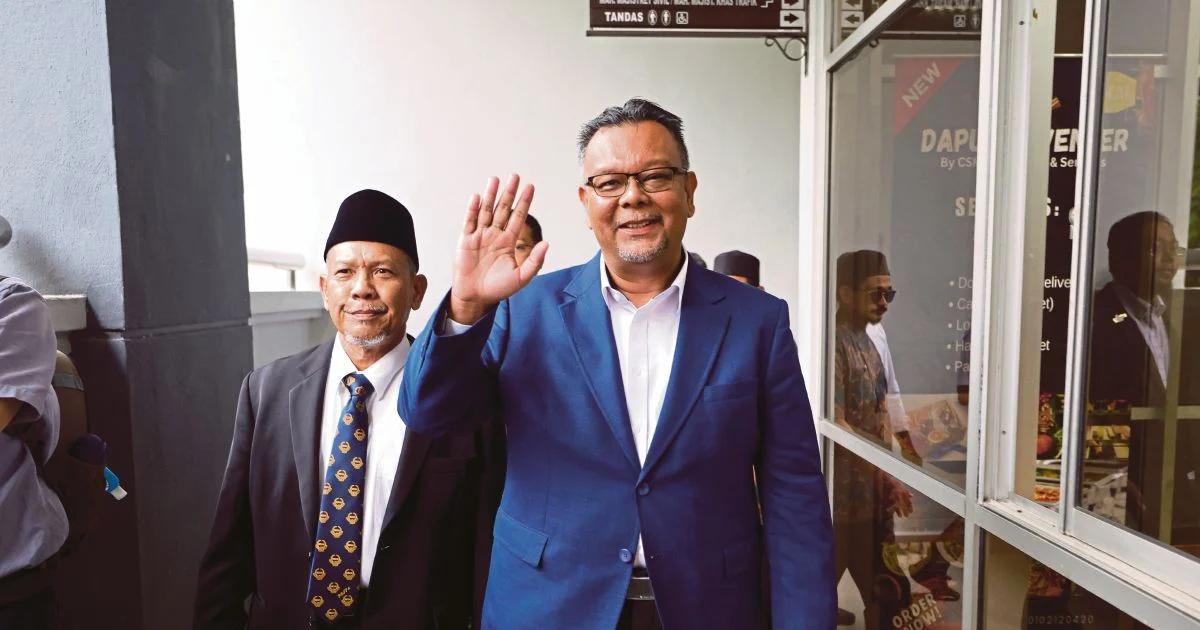
Dr Haim Hilman Abdullah, the assemblyman representing Jitra, appeared before the magistrate's court in Seremban today and firmly rejected the allegations against him, pleading not guilty to a charge concerning statements alleged to have caused public alarm. The development marks a significant moment in what has become an increasingly contentious political situation affecting the northern state constituency.
The charge against the assemblyman falls under provisions designed to protect public order and prevent the dissemination of information that could provoke widespread anxiety or disturbance. Such legislative measures exist across Southeast Asia as a balance between ensuring security and maintaining space for legitimate public discourse. The specific nature of the statements in question and their content remain central to the case's progression through the judicial system.
The appearance in Seremban, located in neighbouring Negeri Sembilan rather than in Kedah where Jitra is situated, indicates the matter has drawn attention beyond the local constituency level. The choice of jurisdiction and venue can have procedural implications for how the case develops and what evidence the prosecution and defence may present.
Malaysian political dynamics have become increasingly sensitive to statements made by elected representatives, particularly when such comments appear to touch on sensitive national issues or potentially incite concern among the public. The threshold for what constitutes statements likely to cause public alarm has become an area of active legal interpretation and debate, with various high-profile cases testing the boundaries of political speech versus public safety concerns.
The not guilty plea sets the stage for a full trial, where the prosecution will need to establish its case beyond reasonable doubt. The burden of proof remains with the authorities to demonstrate both that the statements were made and that they were sufficiently inflammatory or alarming to warrant legal intervention under the relevant statutes. Defence arguments will likely focus on the context of the remarks, the assemblyman's intent, and whether the statements genuinely posed a threat to public order or were merely expressions of political opinion.
For the Jitra constituency and Kedah more broadly, the case underscores the intersection between parliamentary privilege, free speech, and legal constraints on public communications. Assemblymembers occupy a unique position where their remarks carry both political and potential legal consequences, requiring careful navigation between advocating for constituents and avoiding statements that authorities might characterise as unlawful.
The implications extend beyond the immediate legal proceedings. Such charges can influence political discourse and the willingness of elected representatives to speak candidly on issues affecting their communities. The case may prompt discussion among Malaysian lawmakers and civil society about appropriate limits on political expression and where the line should be drawn between legitimate criticism and actionable statements.
Regionally, Malaysia is not unique in prosecuting politicians for allegedly inflammatory statements. Similar cases have emerged in other Southeast Asian democracies and hybrid systems, where governments balance authoritarian powers with electoral legitimacy. The outcomes of such cases often set precedents that shape the political landscape for years to come, affecting how strongly representatives can advocate on behalf of their constituents without facing legal jeopardy.
The timing and manner of the charge's filing also merit consideration, as such matters frequently spark broader political reactions and coalition dynamics. In Malaysia's multi-party system with various state-level configurations, charges against opposition or government-aligned representatives can quickly become focal points for larger political narratives about judicial independence and the weaponisation of the legal system for political purposes.
As the case proceeds through the magistrate's court system, both the prosecution and defence will present their arguments regarding the statements in question. The court's eventual finding will not only determine the legal status of Dr Haim Hilman Abdullah but may also provide clarity on how Malaysian courts interpret public alarm provisions and what standards apply to political speech. The precedent established could influence how similar cases are treated in the future and inform the political calculus of other elected representatives considering their own public statements.

