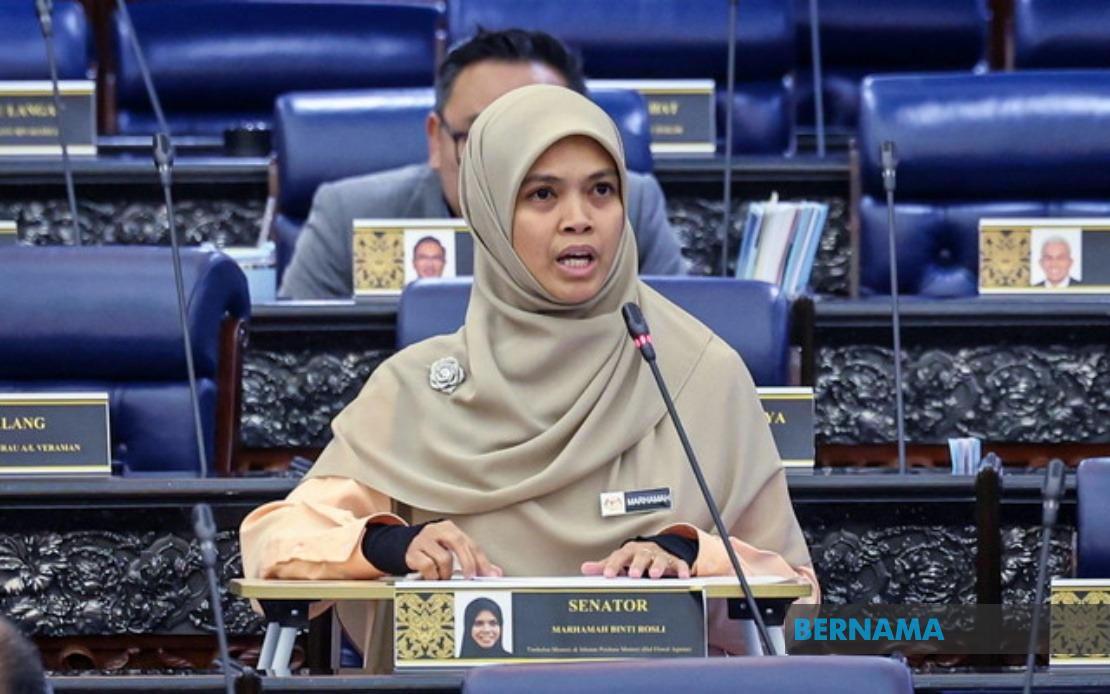
The Malaysian religious affairs establishment is ramping up its commitment to waqf development, with 19 substantial projects collectively worth RM321 million now in advanced stages across the country. Deputy Minister in the Prime Minister's Department (Religious Affairs) Senator Marhamah Rosli disclosed this significant portfolio during parliamentary proceedings on July 29, indicating a comprehensive push to modernize and expand the Islamic endowment sector beyond traditional forms.
Waqf—the Islamic practice of permanently dedicating assets for charitable purposes—has emerged as a critical vehicle for socioeconomic development in Malaysia. The scale of investment now being channelled through these 19 initiatives reflects official recognition that waqf can address contemporary challenges ranging from affordable housing to healthcare and education. By coupling significant financial commitments with structured governance frameworks, the government appears intent on unlocking waqf's potential as both a social safety net and development catalyst.
Marhamah's statement came in direct response to parliamentary scrutiny from Senator Baharuddin Ahmad, who pressed for details on JAWHAR's—the Islamic Affairs Department's waqf management agency—track record and effectiveness. Rather than generic assurances, her response outlined concrete figures and project categories, suggesting the government is now prepared to be held accountable for waqf sector performance. This represents a shift toward greater transparency in how religious endowments are stewarded and deployed.
The National Waqf Master Plan (PIWN) 2025-2030, a strategic blueprint governing waqf administration and expansion over the next five years, is set for presentation to both the National Council for Islamic Religious Affairs Malaysia (MKI) and the Cabinet for formal notification before year-end. Although the plan has not yet been officially launched to the public, Marhamah revealed that all State Islamic Religious Councils have already been briefed and have signalled their backing. This suggests careful coordination between federal and state authorities, a notable achievement given Malaysia's federal structure where religious affairs typically fall under state jurisdiction.
The groundwork for the master plan's acceptance at state level is particularly significant for Southeast Asian observers. Malaysia's thirteen states each maintain their own religious bureaucracies and assets, making nationwide waqf coordination inherently complex. The fact that all councils have reviewed the framework and pledged support indicates either genuine consensus or skilful consensus-building by federal authorities. Once Cabinet approves the plan, implementation can proceed with clearer state-level alignment, potentially establishing Malaysia as a regional leader in modernizing waqf governance.
Beyond strategic planning, the waqf sector is already demonstrating tangible social impact. Through Yayasan Waqaf Malaysia (YWM), a dedicated foundation managing certain waqf assets, RM4.38 million has been distributed to support 92 distinct programmes or beneficiary groups. These interventions have reached 53,748 individuals across 8,232 households, providing a measurable human footprint for the sector's work. The figures suggest targeted assistance programs rather than broad subsidy, with concentrated support reaching vulnerable populations.
The household-level beneficiary count is revealing. With approximately 6.5 people per household on average across the supported groups, the RM4.38 million translates to roughly RM513 per household or RM81 per individual—modest sums that likely reflect emergency assistance, microfinance seed capital, or educational support rather than comprehensive household income replacement. This pattern indicates waqf is being leveraged as a catalytic intervention, providing crucial bridge support that enables beneficiaries to stabilize circumstances or access further opportunities.
For Malaysian policymakers and Islamic scholars, the expanding waqf agenda addresses longstanding questions about how Islamic jurisprudence can meet contemporary development needs. Traditional waqf often remained static or inaccessible once established; modern initiatives increasingly emphasize productive waqf that generates sustainable returns and can be dynamically managed. The RM321 million project portfolio suggests government confidence in the sector's capacity to deliver results efficiently and responsibly.
The regional context adds further interest. Indonesia, with Southeast Asia's largest Muslim population, has similarly sought to revitalize waqf as a development tool. Bangladesh and other South Asian nations have experimented with waqf modernization. Malaysia's combination of structured strategic planning, measurable outcomes reporting, and coordinated federal-state governance could serve as a workable model for comparable Muslim-majority nations grappling with how to operationalize waqf for contemporary purposes.
Challenges remain evident. The fact that the master plan 2025-2030 is only now reaching Cabinet approval suggests earlier coordination difficulties. Implementation across thirteen states with varying bureaucratic capacities and political priorities will test the coordination mechanisms established in the master plan. Questions also linger about whether RM321 million across 19 projects provides sufficient scale to address Malaysia's most pressing social needs, or whether this represents an initial phase in broader expansion.
Transparency in waqf management will be crucial for sustained public confidence. Religious endowments can attract skepticism if beneficiary selection appears politically motivated or management lacks accountability. Senator Marhamah's parliamentary responses demonstrate willingness to engage scrutiny, but regular public reporting on project outcomes and asset management will be needed to build institutional legitimacy and demonstrate that waqf resources genuinely serve their charitable purpose rather than becoming vehicles for patronage.
As the National Waqf Master Plan moves toward Cabinet consideration and eventual public launch, Malaysia is positioning itself to demonstrate how structured, modern waqf governance can contribute meaningfully to development objectives. The coming months will reveal whether the consensus expressed by State Islamic Religious Councils translates into effective implementation, and whether the RM321 million project portfolio delivers measurable improvements for intended beneficiaries.

