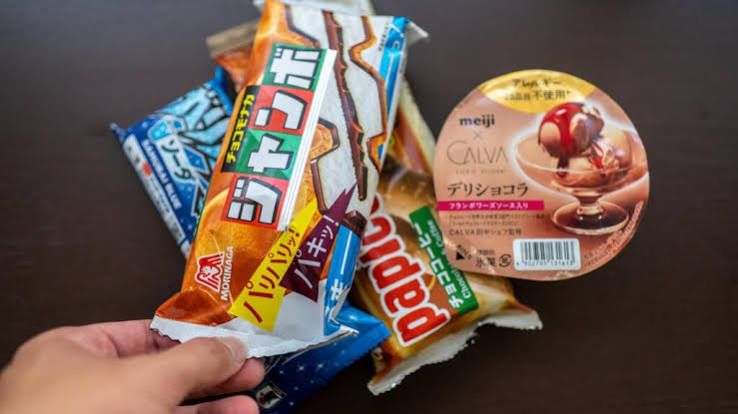
Japan's anti-monopoly authorities have initiated a major crackdown on the country's ice cream industry, raiding the head offices of six of the nation's largest manufacturers on suspicion of operating a price-fixing cartel. The Japan Fair Trade Commission conducted simultaneous raids on Tuesday targeting Meiji Co., Morinaga Milk Industry Co., Lotte Co., Ezaki Glico Co., Morinaga & Co., and Akagi Nyugyo Co., according to statements from the companies and sources close to the investigation. The timing is particularly pointed, coming as Japan enters its peak ice cream season and demand typically surges during warmer months.
According to sources familiar with the investigation, officials from the six firms are believed to have engaged in sustained coordination spanning several years, with company representatives allegedly exchanging emails and holding meetings to align their pricing strategies. The suspected collusion centred on synchronising both the timing and magnitude of retail price increases, a pattern that would have allowed the firms to raise prices in lockstep while avoiding the competitive pressures that typically force prices down. This coordinated approach would have enabled the companies to extract higher profits from consumers without triggering the market dynamics that normally accompany unilateral price movements.
Local media reports indicate that since approximately 2022, the ice cream sector has experienced annual price increases that coincided remarkably closely across manufacturers. Such synchronized pricing patterns, particularly when repeated across multiple years, often signal underlying coordination rather than independent business decisions responding to market conditions. The timing of these increases—occurring at virtually identical moments across competing firms—falls outside what would reasonably be expected from separate companies making independent assessments of their cost pressures and competitive positions.
The JFTC's investigation extends beyond merely confirming collusion; authorities are examining whether the companies exploited widespread inflation concerns to justify price increases that substantially exceeded any legitimate rise in raw material costs. This represents a particularly aggressive form of cartel behaviour, wherein firms use macroeconomic conditions as cover for extracting additional margins beyond what changing input costs would justify. The watchdog's focus on this dimension suggests Japanese competition authorities are alert to how industries can weaponize inflationary periods to shift blame away from collusive pricing toward broader economic conditions.
All six companies have publicly acknowledged receiving visits from the JFTC, with five of them issuing formal statements pledging cooperation with the investigation. Natsuyo Suzuki, a representative from Akagi Nyugyo, specifically confirmed the firm's willingness to work with investigators following what the company described as an "on-site inspection." This language—framing the raid as an inspection rather than a more adversarial search—reflects the somewhat delicate relationship between Japanese regulators and major corporations, though the underlying investigation remains serious.
The ice cream market that triggered this investigation has demonstrated remarkable growth, reflecting both demographic trends and climatic factors. During the fiscal year ending in March, ice cream sales in Japan reached a record-high valuation exceeding 660 billion yen, according to data from the Japan Ice Cream Association. This surge was substantially driven by Japan experiencing its hottest summer since temperature records began in 1989, creating exceptional demand for frozen treats during the period when the suspected coordinated pricing was occurring. The extraordinary heat waves have become increasingly common as climate change alters Japan's weather patterns, potentially creating new vulnerabilities for collusion as industries attempt to capitalize on extreme conditions.
If the JFTC determines that a cartel operated among these six firms, the regulator possesses clear enforcement powers to penalize the behaviour. The watchdog will require the companies to implement corrections to their business practices, ensuring that future pricing decisions operate independently rather than through coordination. Beyond operational reforms, the JFTC will impose financial penalties calibrated to deter future violations and compensate society for the welfare losses imposed by the collusion. Such fines can amount to substantial sums for large manufacturers, creating meaningful incentives for competitors to resist future cartel overtures.
This investigation arrives amid a broader global wave of antitrust enforcement targeting price coordination in consumer-facing industries. Regulators across developed economies have become increasingly sophisticated in detecting collusion patterns, particularly in sectors where firms regularly communicate with one another regarding promotional strategies, supply chain adjustments, and market conditions. The ice cream investigation reflects Japan's competition authorities attempting to maintain vigilance over industries where coordinated pricing can directly harm household budgets, particularly when such coordination exploits circumstances beyond consumers' control such as unprecedented heat waves.
For Malaysian and Southeast Asian readers, this case illuminates broader vulnerabilities in regional consumer markets. Many industries across the region—from dairy to confectionery to frozen foods—operate with similar structures involving a small number of major firms. The Japanese investigation suggests that regulatory agencies throughout Asia should heighten scrutiny over industries showing synchronized pricing patterns, particularly during periods of input cost inflation or extreme weather events. Companies operating across multiple Asian markets face growing risks if they maintain pricing coordination even informally, as regulators from Tokyo to Bangkok to Kuala Lumpur progressively enhance their enforcement capabilities and willingness to prosecute complex cartel cases.