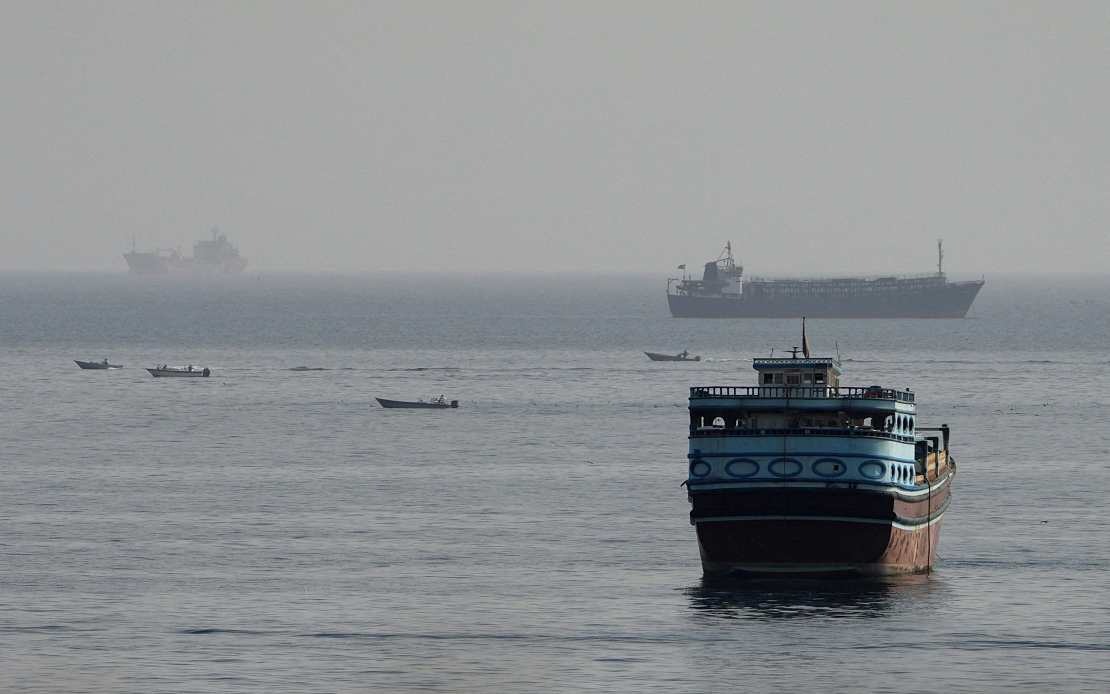
Japanese Prime Minister Sanae Takaichi has directly pressed Iran's leadership to maintain free passage through the Strait of Hormuz, one of the world's most strategically vital shipping lanes, during a high-level phone conversation with Iranian President Masoud Pezeshkian on Wednesday. The call underscores growing anxiety among Asian powers over the security and cost implications of ongoing disruptions to Middle Eastern trade routes that funnel petroleum and goods to markets across East and Southeast Asia.
In remarks delivered from her Tokyo office, Takaichi made clear that Japan expects the crucial waterway to remain accessible without additional toll mechanisms or transit fees, a position reflecting the country's economic dependence on Middle Eastern crude oil and its role as a major global trading nation. The conversation marked the first direct engagement between the two leaders since June and represented their fourth exchange since the escalation of US-Israeli military operations against Iran beginning in late February. Despite Japan's strong alliance with Washington, Tokyo has historically cultivated a separate diplomatic channel with Tehran, enabling it to voice concerns that may diverge from American positions.
The timing of Takaichi's intervention is significant given the effective closure that has already paralysed the Strait of Hormuz for ordinary commercial traffic. This strangulation of one of the world's most critical energy chokepoints has triggered a cascade of economic consequences throughout Asia, where nations from South Korea to India and Malaysia have scrambled to secure alternative supply sources or redirect shipping routes. Through the Red Sea and Bab el-Mandeb Strait, carriers are now attempting to circumnavigate the Arabian Peninsula, but this alternative passage itself has become dangerously contested.
The Houthi movement, a Yemen-based militant organisation aligned with Iran, has weaponised its geographic position by declaring what it terms a "maritime blockade" targeting vessels it associates with Saudi Arabia and its allies. In July, the group formally announced this blockade, and on Tuesday, Yemeni authorities confirmed that Houthi forces had attacked a cargo vessel transiting the Bab el-Mandeb Strait, resulting in casualties and cargo loss. These attacks have forced shipping companies to add weeks to their voyage schedules by routing around Africa's Cape of Good Hope, a solution that dramatically increases fuel consumption, insurance costs, and delivery times.
Takaichi articulated "deep concern" to Pezeshkian regarding these developments in the Bab el-Mandeb corridor and made an explicit appeal to the Iranian government to leverage its influence with the Houthis to encourage military restraint. This framing reveals Japan's diplomatic calculation: by appealing to Iran as a regional power with documented influence over the Houthi militia, Tokyo is attempting to create diplomatic space for de-escalation without directly confronting the rebels themselves or further militarising the situation. Japan's historically nuanced approach to Iran reflects its need to maintain working relationships across the Middle East whilst meeting the energy requirements of its domestic economy and export-dependent manufacturing sectors.
The broader context illuminates why Japan has chosen to engage Iran separately from Western coalition partners. Japan's strategic autonomy in Middle Eastern affairs rests partly on its historical negotiations with Iran dating back decades, including Japan's role in the Joint Comprehensive Plan of Action negotiations. By maintaining these channels, Tokyo preserves optionality in a region where the United States and its close allies sometimes pursue policies that Japanese officials believe may be counterproductive to stability or economic interests. This approach has allowed Japan to, for instance, continue limited energy trade and maintain diplomatic representation even during periods of Western sanctions.
For Malaysia and other Southeast Asian nations similarly dependent on energy imports from the Persian Gulf, the implications of Takaichi's demarche are substantial. Any further deterioration in transit security through the Hormuz Strait or attempts to impose additional fees would inflate energy costs across the region, exacerbating inflationary pressures and increasing manufacturing costs for export-oriented industries. ASEAN countries have been relatively restrained in their public positioning on these Middle Eastern tensions, preferring quiet diplomacy, yet they share Japan's fundamental interest in keeping critical sea lanes open and affordable.
The reference to stalled US-Iran negotiations is particularly noteworthy, as it suggests that the underlying geopolitical impasse remains unresolved. Without progress toward a negotiated settlement or de-escalation framework, the risk persists that further tit-for-tat exchanges between Iran and US-allied forces could further compromise maritime security and potentially motivate Iran itself to consider mechanisms to regulate or restrict traffic through Hormuz, either as retaliation or as negotiating leverage. Takaichi's preventive messaging signals that Japan wants to head off such scenarios before they materialise into concrete policy.
The conversation also reflects the delicate position Japan occupies as a US security ally that simultaneously maintains economic and diplomatic ties with Iran. Tokyo has consistently advocated for dialogue over confrontation and has historically used its bridges to Iran to promote de-escalation in Gulf crises. This dual engagement strategy, whilst sometimes creating friction with Washington, has proven valuable in maintaining Japan's ability to access Persian Gulf energy and to participate in regional diplomatic initiatives without being perceived as a simple extension of American foreign policy in the eyes of Iranian and other regional actors.
Looking forward, the effectiveness of Takaichi's appeal will likely depend on broader geopolitical developments and the trajectory of US-Iran tensions. Should those tensions ease, Iran may have less incentive to encourage or tolerate Houthi attacks. Conversely, if confrontation escalates, Iran might find such attacks tactically useful even if they complicate Japanese interests. The balance between these pressures will substantially influence whether the Strait of Hormuz remains a relatively stable commercial channel or becomes further militarised and economically burdensome, with ripple effects across supply chains and energy markets throughout Asia and beyond.

