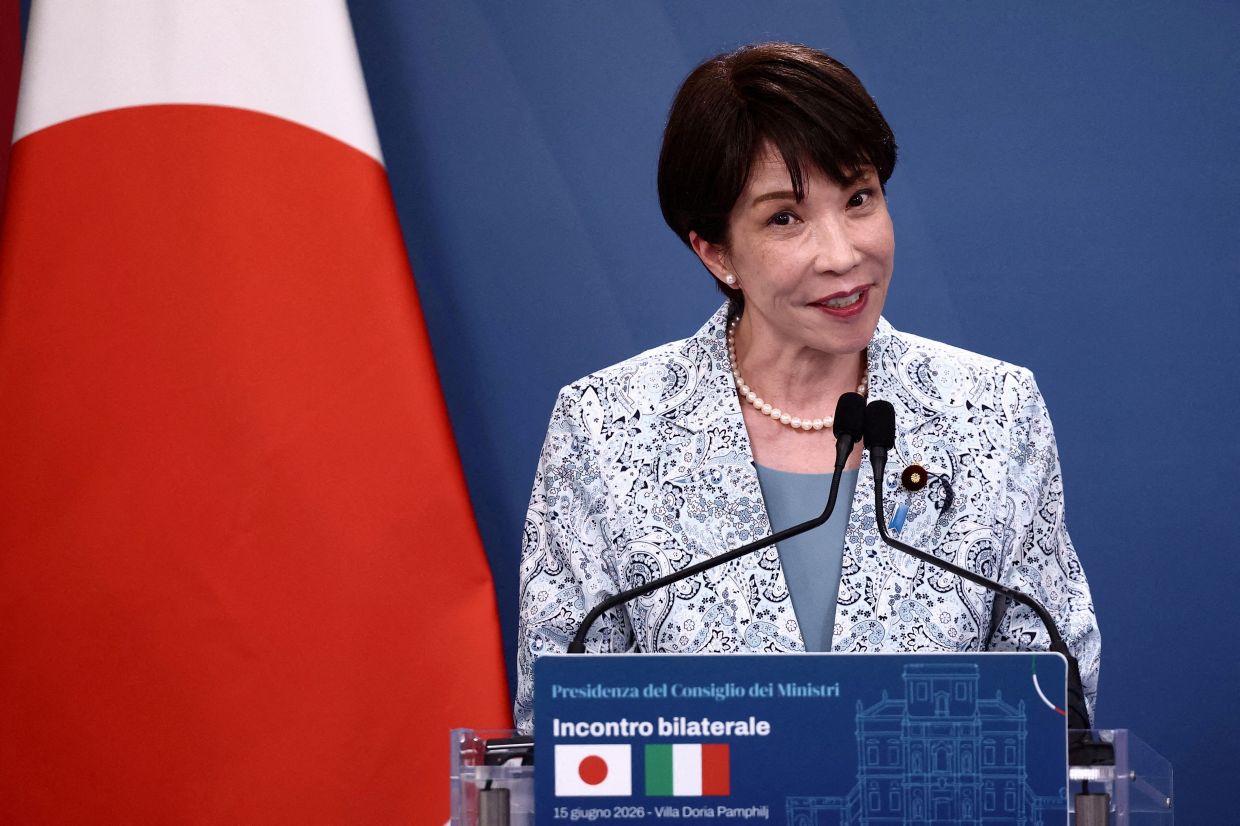
Japanese Prime Minister Sanae Takaichi's political momentum appears to be losing steam as fresh polling reveals her administration's backing has fallen below the symbolic 50 per cent threshold for the first time since she assumed office in October 2024. The Jiji Press survey, released Thursday, recorded support at 49 per cent, marking a significant erosion of the goodwill that carried her through a successful lower house election campaign just months earlier. The findings underscore the volatile nature of public opinion in Japan's political landscape and raise questions about whether Takaichi can stabilise her government amid mounting domestic and international pressures.
The demographic breakdown of the approval decline tells a particularly troubling story for the Japanese leader. Voters aged in their 60s registered the most pronounced shift in sentiment, with backing tumbling from 63.7 per cent in June to just 39.9 per cent in July—a striking reversal that suggests erosion of support among a traditionally important voting bloc. This age group's withdrawal of confidence is especially significant given that older Japanese voters have historically formed a stable base of support for conservative governments, making their defection a warning sign for Takaichi's long-term viability. The sudden nature of the decline points to a triggering event or accumulation of grievances rather than gradual dissatisfaction.
Among those who continue to back the government, perceptions of Takaichi's personal qualities remain a primary draw. Supporters frequently point to her leadership credentials and perceived trustworthiness as reasons for maintaining confidence in her administration. However, these personal attributes appear insufficient to overcome broader policy concerns that are driving disapproval. Critics citing "cannot hope for much" and "poor policies" as their primary reasons for withdrawing support suggest a fundamental disconnect between public expectations and governmental delivery. This disconnect indicates that Takaichi's initial appeal—resting partly on her historic status as Japan's first female prime minister—may be wearing thin as voters scrutinise her actual policy performance and achievements.
Takaichi's ascent to power appeared meteoric when she secured a commanding victory in February's snap lower house elections, positioning herself as a transformative figure capable of modernising Japan's political establishment. Her popularity during that campaign benefited significantly from appeal to younger voters who were drawn to her diplomatic sophistication, her ability to relate to contemporary concerns, and the symbolic importance of her gender-breaking appointment. The electoral triumph seemed to validate her vision and provided her with substantial political capital to pursue her agenda. Yet the intervening months have tested whether electoral victory could be translated into sustained governing success.
One significant factor undermining public confidence stems from Takaichi's provocative November statement suggesting that Japan might intervene militarily should Taiwan face attack. The remark, clearly intended to signal Japan's commitment to regional security and deterrence, has complicated Tokyo's delicate diplomatic relationship with Beijing, which regards Taiwan as a breakaway province. China's reaction to this statement has been sharp, creating tension in Sino-Japanese relations at a moment when regional stability is already fragile. For many Japanese voters concerned about economic ties to China or wary of military entanglement, Takaichi's tough rhetoric on Taiwan may appear reckless rather than reassuring, potentially contributing to the erosion of support documented in the latest polling.
Domestic civil liberties concerns have similarly complicated Takaichi's political standing. Earlier this month, a coalition of nearly 150 Japanese academics formalised their opposition to her legislative push to criminalise the desecration of Japan's national flag. This move by leading intellectuals carries symbolic weight within Japan's traditionally liberal academic community and signals concern about the direction of her social agenda. The academics' petition suggests that Takaichi's conservative vision—while resonating with some voters—is encountering organised resistance from cultural and intellectual elites who view certain policy proposals as threatening fundamental freedoms. Such institutional pushback can amplify public doubts and lend credibility to arguments that her government is overly authoritarian.
The economic dimension of public sentiment provides some mitigation for Takaichi's predicament. Recent months have witnessed a deceleration in inflation rates, providing relief to households battered by sharp price increases that were instrumental in the political downfall of her two immediate predecessors. Both of her predecessors faced public fury over soaring living costs, which ultimately proved fatal to their political viability. By contrast, Takaichi has benefited from improving inflation dynamics that ease household budgetary pressures and reduce the political salience of economic complaint. However, this windfall appears insufficient to offset the accumulation of policy missteps and controversial initiatives that have driven the approval decline.
The timing of the approval rating collapse raises questions about whether Takaichi's government has entered a structural period of decline or whether the downturn represents a temporary dip from which recovery is possible. Her administration's capacity to rehabilitate its image will likely depend on demonstrating tangible policy successes that resonate with average Japanese voters and on avoiding additional diplomatic or domestic controversies that further alienate her shrinking support base. The sharp defection among older voters particularly suggests that core conservative constituencies may be reconsidering their initial backing.
For observers across Southeast Asia, the developments in Japanese politics carry implications for regional stability and Tokyo's role as an economic and security anchor. A weakened Takaichi administration facing sliding domestic approval may be constrained in pursuing ambitious regional diplomatic initiatives or security partnerships, potentially affecting arrangements that depend on sustained Japanese commitment. The governance challenges she faces domestically mirror pressures confronting other regional leaders navigating the tensions between responding to immediate economic hardship, managing great-power competition, and maintaining domestic political cohesion. As Japan's political centre of gravity potentially shifts, regional governments will be watching to assess whether Tokyo's strategic orientation might evolve.

