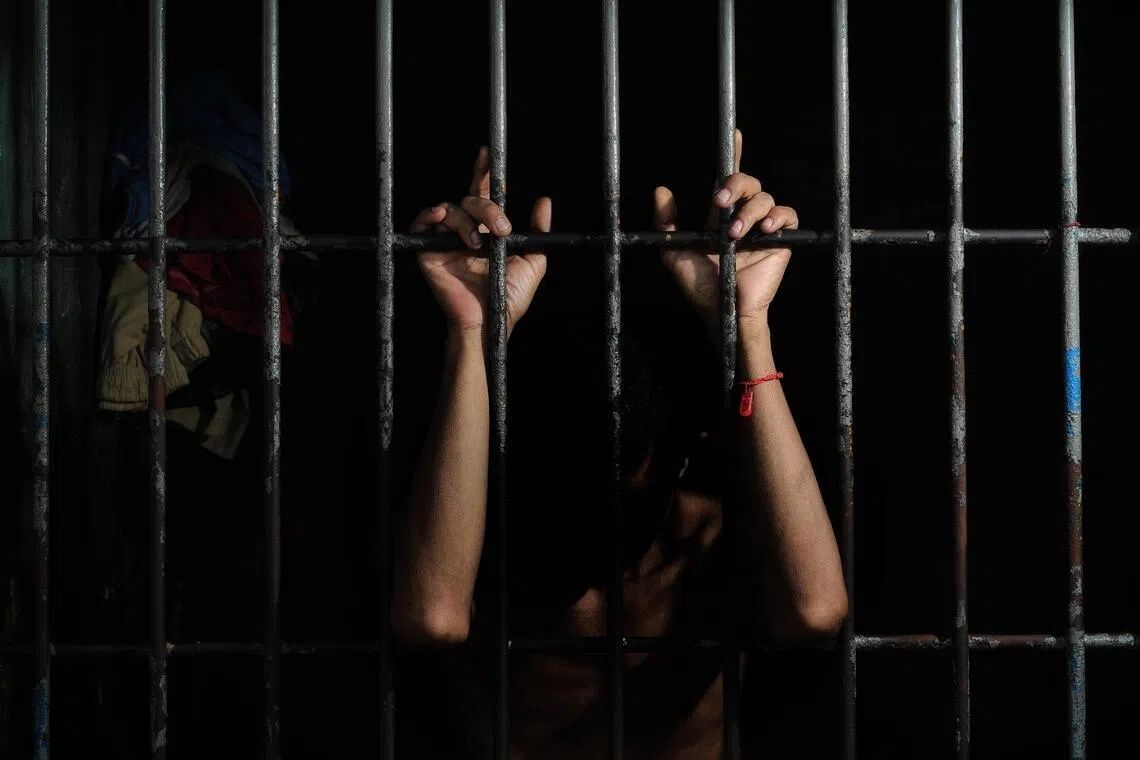
A grieving mother in western Japan has filed a lawsuit against the state seeking 100 million yen in compensation following the death of her 16-year-old daughter, whose body had wasted away to just 20 kilograms after enduring an 18-day police detention marked by relentless interrogations and family separation. The case, filed with Kobe district court in June, represents one of the most harrowing examples yet of what campaigners term "hostage justice" — a systemic practice within Japan's criminal justice framework that critics argue systematically pressures suspects to confess regardless of guilt or actual evidence.
The girl, identified by the pseudonym Runa in legal documents, was arrested in June of the previous year while working at a care facility for individuals with disabilities in Hyogo Prefecture. The alleged transgression was extraordinarily minor: authorities claimed she had assaulted a patient during a Valentine's Day celebration. Runa's account differed fundamentally from this characterisation — she maintained that she was simply attempting to prevent the patient from biting another person by gently pressing her hand against their chin. Yet this distinction between her version and the official narrative would matter little during her ordeal.
The devastating chain of events that followed her arrest reveals how Japan's interrogation and detention system can spiral into a human tragedy. During her 18 days in custody, Runa experienced systematic isolation, losing contact with her family while being permitted only conversations with her legal representatives. Interrogators subjected her to repeated pressure to confess, employing psychological coercion tactics documented in the journal she kept during detention. According to Masahiro Sasaki, the lawyer now representing her mother, investigators repeatedly posed leading questions — "You did it, weren't you? Just tell the truth" — while simultaneously threatening her with placement in a reformatory and warning that she would be prevented from seeing her mother unless she admitted guilt.
The psychological and physical toll of this ordeal was catastrophic. Runa developed acute stress disorder, eating disorder, and post-traumatic stress disorder during her confinement. Her deterioration became so severe that authorities were compelled to take her to an outside hospital after she vomited and collapsed — yet even this medical emergency did not immediately lead to her release. It was only after this hospitalisation that prosecutors finally agreed to drop all charges against her, effectively acknowledging that no genuine case existed. The authorities had taken 18 days to reach the conclusion that the young woman should never have been arrested in the first place.
The tragedy deepened tragically after her release. Runa's health, already severely compromised by her detention experience, continued to deteriorate. Just five months following her liberation from custody, she died. By that point, the once-healthy teenager had been reduced to a skeletal frame weighing a mere 20 kilograms. At her press conference, her mother articulated the anguish that now defines her life: "My daughter was unrecognisable when she died," she said, while demanding answers about the chain of decisions that led to her child's preventable death.
The fundamental problem underpinning Runa's case lies within Japan's broader criminal justice architecture. Japan's legal system has long been characterised by a presumption that defendants are guilty until proven otherwise — effectively inverting the principle of innocent until proven guilty that forms the cornerstone of democratic justice systems. Prosecutors and police officers maintain tremendous power within this system, relying overwhelmingly on extracting confessions from suspects as the primary mechanism for building criminal cases. This systemic dependency on confession evidence creates perverse incentives for authorities to pressure, threaten, and psychologically manipulate detainees into admitting guilt.
Sasaki's legal arguments challenging Runa's arrest highlight fundamental principles that authorities appears to have disregarded. He points out that the alleged assault was, by any reasonable standard, "extremely trifling" in nature. He further emphasises that Japanese law ostensibly requires that detention of juveniles be employed only when "absolutely necessary" — a safeguard that rings hollow given Runa's case. The girl had no prior history of delinquency, lived under parental supervision, and presented no credible risk of fleeing or destroying evidence. By any legitimate legal standard, her arrest and extended detention were unjustifiable.
Runa's ordeal, whilst tragic, is not isolated within Japan's justice system. The phenomenon of "hostage justice" has been recognised and condemned by international human rights organisations repeatedly over many years. Perhaps the most prominent example is Iwao Hakamada, who spent decades on death row — longer than any other person worldwide — before his convictions were overturned in 2024. The Supreme Court ruling that quashed his convictions determined that the confessions upon which his original guilty verdict partly rested had been extracted through interrogation methods that constituted "inhumane" treatment. Hakamada's case demonstrates that even death row sentences can rest on confessions obtained through psychological torment rather than genuine evidence of wrongdoing.
The Kobe District Public Prosecutors Office, when approached for commentary on Runa's case, demurred by claiming they had not yet formally received notice of the complaint — a response that sidesteps the fundamental accountability questions at stake. The lawsuit itself seeks not merely financial compensation but also systemic acknowledgement of the harm inflicted through unjust detention practices. For Malaysia and other Southeast Asian nations observing Japanese legal developments, Runa's case serves as a cautionary reminder about how even economically advanced democracies can develop criminal justice systems that prioritise confession extraction over genuine guilt determination, with devastating consequences for vulnerable individuals.
The compensation sought — 100 million yen, approximately US$623,000 — represents the family's attempt to obtain redress for a daughter who became, in the words of her lawyer, "one of the most tragic victims of hostage justice." Yet no financial settlement can restore what was lost. The case underscores an uncomfortable reality within Japan's justice apparatus: the system itself, rather than the conduct of individual officials, may be fundamentally misaligned with principles of fair trial and protection of vulnerable persons. Whether this lawsuit will catalyse meaningful reform remains uncertain, but it has already ensured that Runa's suffering will not be forgotten or left unexamined.