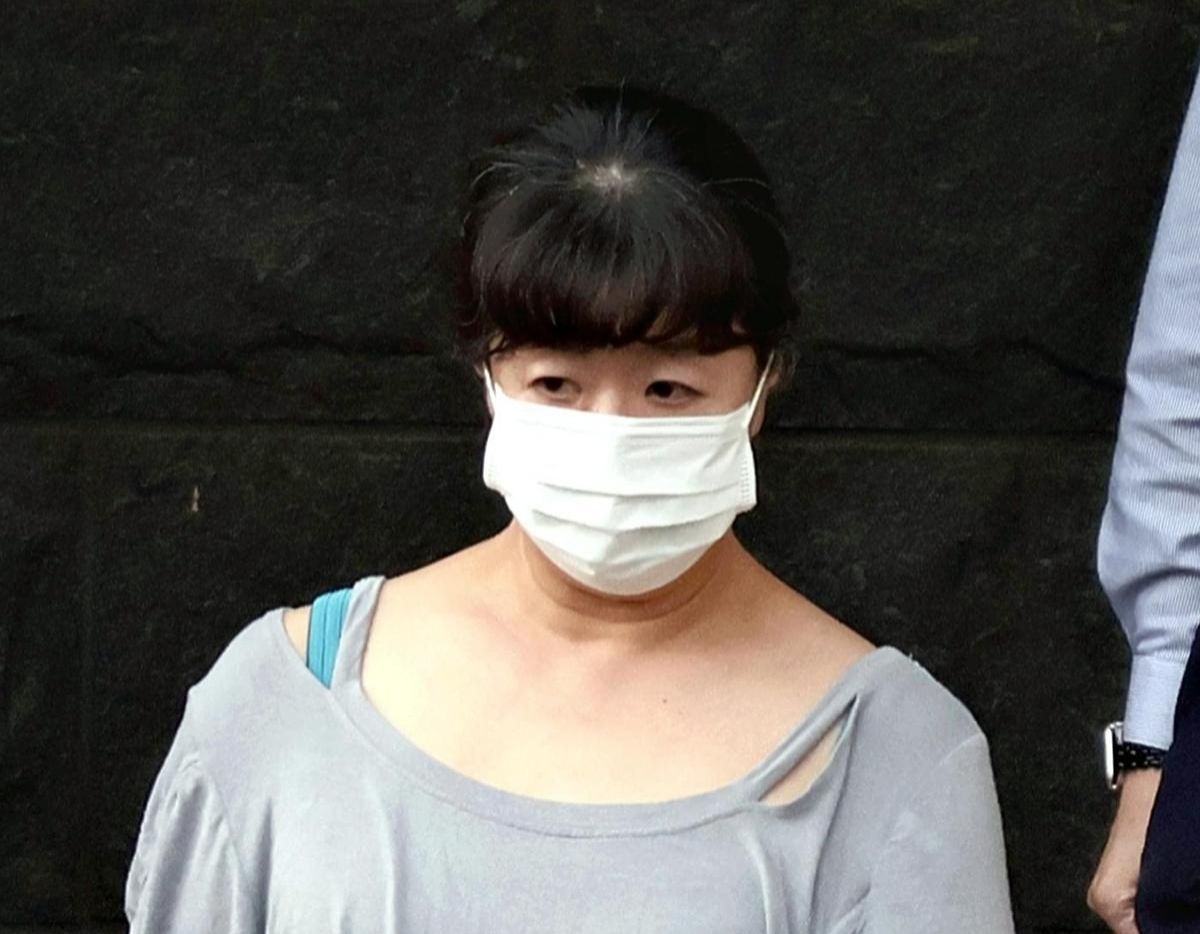
A 51-year-old midwife in Chiba Prefecture has been arrested on suspicion of murder following the death of a 75-year-old patient at Kashiwa Tanaka Hospital in late January. Miyuki Furukawa, who resides in Kashiwa, stands accused of deliberately inserting faecal matter into the patient's intravenous extension tube in an act that ultimately proved fatal. The incident, which allegedly occurred at approximately 3:55 in the morning of January 30, resulted in the man's death roughly 19 hours later, at approximately 10:30 that evening.
The victim, a resident of Toride in neighbouring Ibaraki Prefecture, was under care at the facility when the alleged contamination took place. The timing of the incident—during the early morning hours when hospital staffing is typically minimal and monitoring less intensive—raises troubling questions about the adequacy of oversight mechanisms in Japanese healthcare institutions. Police have formally charged Furukawa with murder, marking an unusually serious allegation within Japan's healthcare sector and reflecting the lethal consequences of the alleged tampering.
Investigators from Chiba prefectural police remain focused on establishing Furukawa's motive for such an extreme and deliberate act of harm. At present, authorities have not publicly disclosed whether personal grievances, workplace disputes, or other psychological factors may have contributed to the alleged crime. The absence of an apparent motive intensifies scrutiny into the incident and invites questions about whether adequate vetting and mental health support systems exist for healthcare workers in Japan.
This case represents a severe breach of the fundamental trust between patients and medical professionals. In Malaysia and throughout Southeast Asia, where hospital facilities are expanding rapidly alongside rising patient volumes, the incident underscores the critical importance of implementing robust safety measures and institutional oversight. Healthcare workers enjoy a position of profound authority within hospital environments, and breaches of that trust can inflict immeasurable damage to public confidence in the medical system itself.
The method of harm alleged in this case—silent contamination of life-sustaining medical equipment—demonstrates how vulnerabilities persist even within modern healthcare settings. Intravenous lines are typically situated where they cannot be directly observed by patients themselves, and nursing stations may be distant during night shifts. This structural reality creates opportunities for malicious intervention that standard monitoring protocols might not detect until symptoms manifest or deteriorate beyond recovery.
Japanese hospitals, like their counterparts in Malaysia and Singapore, have increasingly invested in technological safeguards and procedural improvements over recent decades. Yet this incident suggests that human vigilance and institutional culture remain irreplaceable components of patient safety. The alleged actions of Furukawa, if proven, would constitute a catastrophic failure of professional ethics and institutional safeguards that pervades her alleged misconduct.
For Malaysian healthcare administrators and policymakers, the case serves as a cautionary reminder of the necessity of comprehensive background screening, ongoing psychological assessments, and a workplace culture that encourages immediate reporting of concerning behaviour among colleagues. The relationship between workplace stress, mental health challenges, and potential misconduct warrants systematic attention within healthcare organisations across the region.
The investigation into Furukawa's background and employment history will likely reveal whether warning signs existed prior to the alleged incident. Hospital administrators in Malaysia and Southeast Asia may benefit from comparing their own hiring practices, staff supervision protocols, and incident reporting systems against those employed at Kashiwa Tanaka Hospital, particularly in identifying how such an alleged breach could occur undetected for an extended period.
Criminal cases involving healthcare workers who deliberately harm patients remain exceptionally rare in developed healthcare systems, which is precisely why this allegation has generated considerable attention. The incident challenges assumptions that comprehensive medical training and professional licensing naturally prevent such conduct. Instead, it suggests that organisational systems, workplace culture, and individual mental health support require equal emphasis alongside technical competence and credentials.
As details of Furukawa's employment record and any prior disciplinary issues emerge through investigation, Malaysian hospital management should scrutinise their own institutional practices for comparable vulnerabilities. The case demonstrates that patient safety depends not solely on advanced medical technology or sophisticated equipment, but equally upon vigilant human oversight, transparent reporting channels, and organisational willingness to act upon indicators of staff distress or misconduct.
The broader implications for healthcare across Southeast Asia are substantial. While serious criminal misconduct among medical professionals remains statistically uncommon, the potential for harm when such conduct does occur demands that hospitals maintain constant vigilance. This incident will likely prompt regulatory bodies in Japan and potentially throughout the region to reassess protocols governing staff access to patients and medical equipment during low-visibility periods, ensuring that structural safeguards can prevent opportunities for intentional harm.

